Ladies and Gentlemen, Stephen King

I’ve just finished reading Carrie so Stephen King is inhabiting my brain. A friend posted a Pink Floyd video (Learning to Fly) and for some reason the video below was one of the suggested “view this next” videos. It’s hard to see the link between a Stephen King lecture and a Pink Floyd live performance, perhaps the members of Pink Floyd were terrorised by a monster clown in their youth.

Regardless, this lecture from Stephen King covers a range of topics in a Q&A format. The most important part is his opinion on the phenomenons of Twilight and 50 Shades of Grey. Don’t fast forward to 48:20 for his Twilight and 50 Shades of Shit comments.

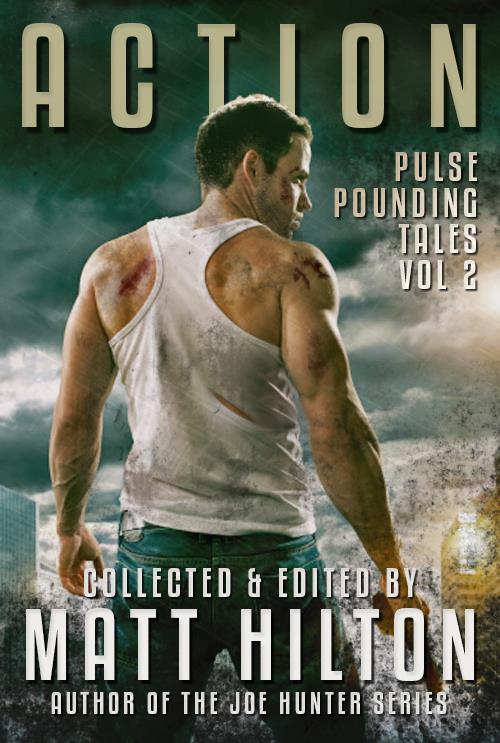
Pulse Pounding Tales is here!

Cover for the second edition.

As I mentioned recently, my short story, Hard Wood, appears in the new compilation of Pulse Pounding Tales from Matt Hilton. You can get your copy from either:

Amazon US

Amazon UK

CONTENTS
Introduction by Matt Hilton
Dirk Ramm: Unsheathed by Matt Hilton
Sins of Omission by Ian Graham
See Saw by James Oliver Hilton
Uninvited Guests by Rod Glenn
The Missionary by Paul D Brazill
Hard Wood by Tyson Adams
Black Tuesday by Alex Shaw
.50 Contingency Plan by Jochem Vandersteen
Cold Redemption By Les Morris
Kokoro by Andrew Scorah
Get Cutter! By James Hopwood
Jardine Rides Again by Ian McAdam
Jack Be Nimble by Gavin Hunt
Exit Wound by Steve Christie
As Heroes Fall By Frank Sonderborg
Goofy Brings The House Down by Richard Godwin
Grand Central: Terminal by Terrence P. McCauley
The Fixer by Dean Breckenridge
Soup Sandwich by Christopher L. Irvin
Pasnuta Means Arena of Death! by Richard Prosch
Mududa’s Revenge by Graham Smith
97 Ways To Die In Istanbul by Paul Grzegorzek
It’s Noir or Never by Absolutely*Kate
Push by Kevin Michaels
You Only Die Once by Rhesa Sealy
Man About Town by Alan Griffiths
Hanoi Heat by Iain Purdie
Hammertime by Asher Wismer
When The Devil Catches Up by Lee Hughes

Bonus Tale
Suited and Booted by Matt Hilton

Good News Everyone!

A while ago I had my short story, Hard Wood, accepted into the second Pulse Pounding Tales compilation by Matt Hilton. I’ve held off on making this announcement until the submissions were officially closed. For those unfamiliar with volume one of Pulse Pounding Tales, buy it now. You’ll thank me later. Volume 2 is due out later this month.

Cover for the second edition.

The first edition included short stories from many renowned and upcoming thriller authors, including: Matt Hilton (duh!), Zoë Sharp, Stephen Leather, Adrian Magson and Steven Savile. If the previous edition and my submission (Hey! I’m allowed to think I’m awesome) are anything to go by, this second installment should be just as awesome. For more on whose stories you will get to read, see here.

Hard Wood is about Steve: disabled in the war in outer Desert-stan, he now makes sure containers at a shipping yard aren’t lonely at night. Steve stumbles across some heavily armed smugglers and decides that he is the only one who can stop them escaping before the police can arrive. Pity that Steve is not heavily armed and is missing a leg. For a little background to the underlying topic of the short, read this little non-fiction synopsis about illegal logging.

I’d like to thank Matt for the opportunity to publish my story with him. I’d also like to congratulate my fellow authors who I will be sharing pages in the compilation with.

Update:

Here’s the final line-up to ACTION: Pulse Pounding Tales Vol 2 everyone:

CONTENTS
Introduction by Matt Hilton
Dirk Ramm: Unsheathed by Matt Hilton
Sins of Omission by Ian Graham
See Saw by James Oliver Hilton
Uninvited Guests by Rod Glenn
The Missionary by Paul D Brazill
Hard Wood by Tyson Adams
Black Tuesday by Alex Shaw
.50 Contingency Plan by Jochem Vandersteen
Cold Redemption By Les Morris
Kokoro by Andrew Scorah
Get Cutter! By James Hopwood
Jardine Rides Again by Ian McAdam
Jack Be Nimble by Gavin Hunt
Exit Wound by Steve Christie
As Heroes Fall By Frank Sonderborg
Goofy Brings The House Down by Richard Godwin
Grand Central: Terminal by Terrence P. McCauley
The Fixer by Dean Breckenridge
Soup Sandwich by Christopher L. Irvin
Pasnuta Means Arena of Death! by Richard Prosch
Mududa’s Revenge by Graham Smith
97 Ways To Die In Istanbul by Paul Grzegorzek
It’s Noir or Never by Absolutely*Kate
Push by Kevin Michaels
You Only Die Once by Rhesa Sealy
Man About Town by Alan Griffiths
Hanoi Heat by Iain Purdie
Hammertime by Asher Wismer
When The Devil Catches Up by Lee Hughes

Bonus Tale
Suited and Booted by Matt Hilton

The 10 Commandments of How to Write a Thriller

I love a good thriller. To me novels are meant to, first and foremost, entertain. Some flowery prose may be interesting, the relationships and settings may be fascinating, but if there isn’t any imminent danger to life, limb and puppies, then I’m likely to be throwing the book away.

Mystery, crime and thriller genres are often lumped together or confused for one another. This is kinda like cars, some people don’t know the difference between cars and will just go by colour. While it’s true that they often overlap, there’s a distinct difference: in a mystery there is a puzzle to solve, in a crime there is a crime to solve after it has occurred (although there may be others committed later in the story), whilst a thriller is all about knowing that a crime is going to be committed and the story details the prevention of it.

In an article on Writer’s Digest, Zachary Petit put forward a list by Brian Garfield. He called this the 10 Commandments of thriller writing, because you can’t have a thriller if someone isn’t breaking some rules.

The 10 Commandments of How to Write a Thriller

Start with action; explain it later. TA: I especially agree with this point. I’m sick of “thrillers” that take the first half of the book to set up the action.
Make it tough for your protagonist.
Plant it early; pay it off later.
Give the protagonist the initiative.
Give the protagonist a personal stake.
Give the protagonist a tight time limit, and then shorten it.
Choose your character according to your own capacities, as well as his/hers.
Know your destination before you set out.
Don’t rush in where angels fear to tread.
Don’t write anything you wouldn’t want to read. TA: You know, like street directions and descriptions of flowers and home renovations.
For the full piece, “10 Rules for Suspense Fiction” by Brian Garfield, click here.

At the 2008 Maui Writers Conference, bestselling thriller writer Gary Braver (Skin Deep) said that dread drives thrillers. You know who the good guys and bad guys are. Dull moments will lose an audience, and writers can’t afford to lose an audience, even for one page. To captivate an audience (and agents and publishers), Braver offers these 10 essential ingredients for a successful thriller.

1. You need to have a good story. Thrillers want to be thrilled. A common element in thrillers is that the protagonist will fall victim to someone else’s scheme and get stuck in a moment of dread. There are only three themes in all of literature: death and rebirth (Stephen King’s Misery); the hero slaying a dragon to restore the world to normalcy (James Bond, Indiana Jones); and the quest to make life better (The Da Vinci Code). Know which theme fits your story.

2. Write about the underdog. Tell your thriller from the point of view of the person with the most to lose. The protagonist gives the story character. Give him baggage and emotional complexity.

3. Multiple points of view can give you great range in a thriller. They allow you inside the heads of many characters, which can build more dramatic tension and irony.

4. Open your book with an action scene. Don’t put biographical information or exposition in Chapter 1 (do that later). Introduce the crime—which tells you the stakes—and introduce the hero and villain, and even some obstacles the protagonist may face.

Don’t sacrifice style—use metaphors and good language—but stick with action.

5. Early on, make clear what your protagonist wants and what he fears. You should know what the protagonist wants and how he would end the novel if he were writing it.
There are two quests: Stopping the bad stuff from happening (In The Silence of the Lambs, it’s to stop Buffalo Bill from killing) and dealing with the character’s baggage (for Clarice to be a good, professional FBI agent in a [then] male-dominated profession).

Think Cinderella: Her main quest is to get to the ball. It’s about liberation. When she gets to the ball she finds freedom.

6. Make your characters miserable. Ask what the worst thing is that could happen to your protagonist and make it worse. Give them grief, false hope, heartaches, anxiety and near-death experiences. We don’t want our protagonist to win until the end.

7. Your main characters have to change. It has to be an emotional change that shows growth and victory over some of his baggage. In The Silence of the Lambs, Clarice is stronger and tougher at the end and she gets a good night’s sleep.

8. Pacing must be high: Strong Narrative Thrust. Each scene should reveal something new, no matter how slight it is. Don’t tell us about stuff that has nothing to do with the story. The villain has a ticking clock, so there’s no time to waste on pages with useless information. Short paragraphs and white space are good. Consider using cliffhangers at the end of every chapter, albeit a sudden surprise or provocative announcement.

9. Show—don’t tell. Avoid the passive voice. Use action verbs (He heard the screams in his bedroom). Avoid adverbs—they are cheesy and cheap ways of telling instead of showing. Don’t start sentences with –ing words (“He stared” vs. “Staring at the …”). Make the subject and verb close and up front in the sentence.

10. Teach us something. Make sure your audience has learned about something—an animal, medical treatment, social issue—so we walk away with more knowledge.

History Repeating – The 7 Plots

A friend made the comment to me recently that a film we had both watched was merely a rip-off of another film. Rip-off is a bit harsh in my opinion. If we think hard about all the books and films we’ve ever watched and then break them down into their general plots you start to see a lot of patterns. Boy meets girl. Girl meets boy. Buddies team up to do something awesome. Odd couple team up to do something awesome. When all said and done, it is hard to identify anything truly original.

As a result, people often say that there are only a certain number of basic plots and that any story is really just a variation on these plots. Depending on how detailed they want to make a “basic” plot, different writers have offered a variety of solutions. An article I found lists these

1 Plot:

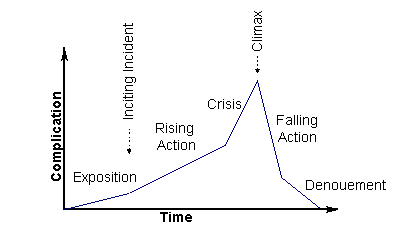
Attempts to find the number of basic plots in literature cannot be resolved any more tightly than to describe a single basic plot. Foster-Harris claims that all plots stem from conflict. He describes this in terms of what the main character feels: “I have an inner conflict of emotions, feelings…. What, in any case, can I do to resolve the inner problems?” (p. 30-31) This is in accord with the canonical view that the basic elements of plot revolve around a problem dealt with in sequence: “Exposition – Rising Action – Climax – Falling Action – Denouement”. (Such description of plot can be found in many places, including: Holman, C. Hugh and William Harmon. A Handbook to Literature. 6th ed. New York: Macmillan Publishing Co, 1992.) Foster-Harris’ main argument is for 3 Plots (which are contained within this one), described below.

3 Plots:

Foster-Harris. The Basic Patterns of Plot. Norman: University of Oklahoma Press, 1959. Foster-Harris contends that there are three basic patterns of plot (p. 66):

  1. “’Type A, happy ending’”; Foster-Harris argues that the “Type A” pattern results when the central character (which he calls the “I-nitial” character) makes a sacrifice (a decision that seems logically “wrong”) for the sake of another.
  2. “’Type B, unhappy ending’”; this pattern follows when the “I-nitial” character does what seems logically “right” and thus fails to make the needed sacrifice.
  3. “’Type C,’ the literary plot, in which, no matter whether we start from the happy or the unhappy fork, proceeding backwards we arrive inevitably at the question, where we stop to wail.” This pattern requires more explanation (Foster-Harris devotes a chapter to the literary plot.) In short, the “literary plot” is one that does not hinge upon decision, but fate; in it, the critical event takes place at the beginning of the story rather than the end. What follows from that event is inevitable, often tragedy. (This in fact coincides with the classical Greek notion of tragedy, which is that such events are fated and inexorable.)

7 Plots

7 basic plots as remembered from second grade by IPL volunteer librarian Jessamyn West:

  1. [wo]man vs. nature
  2. [wo]man vs. [wo]man
  3. [wo]man vs. the environment
  4. [wo]man vs. machines/technology
  5. [wo]man vs. the supernatural
  6. [wo]man vs. self
  7. [wo]man vs. god/religion

20 Plots:

Tobias, Ronald B. 20 Master Plots. Cincinnati: Writer’s Digest Books, 1993. (ISBN 0-89879-595-8)
This book proposes twenty basic plots:

  1. Quest
  2. Adventure
  3. Pursuit
  4. Rescue
  5. Escape
  6. Revenge
  7. The Riddle
  8. Rivalry
  9. Underdog
  10. Temptation
  11. Metamorphosis
  12. Transformation
  13. Maturation
  14. Love
  15. Forbidden Love
  16. Sacrifice
  17. Discovery
  18. Wretched Excess
  19. Ascension
  20. Descension.

36 Plots

Polti, Georges. The Thirty-Six Dramatic Situations. trans. Lucille Ray.

Polti claims to be trying to reconstruct the 36 plots that Goethe alleges someone named [Carlo] Gozzi came up with. (In the following list, the words in parentheses are our annotations to try to explain some of the less helpful titles.):

  1. Supplication (in which the Supplicant must beg something from Power in authority)
  2. Deliverance
  3. Crime Pursued by Vengeance
  4. Vengeance taken for kindred upon kindred
  5. Pursuit
  6. Disaster
  7. Falling Prey to Cruelty of Misfortune
  8. Revolt
  9. Daring Enterprise
  10. Abduction
  11. The Enigma (temptation or a riddle)
  12. Obtaining
  13. Enmity of Kinsmen
  14. Rivalry of Kinsmen
  15. Murderous Adultery
  16. Madness
  17. Fatal Imprudence
  18. Involuntary Crimes of Love (example: discovery that one has married one’s mother, sister, etc.)
  19. Slaying of a Kinsman Unrecognized
  20. Self-Sacrificing for an Ideal
  21. Self-Sacrifice for Kindred
  22. All Sacrificed for Passion
  23. Necessity of Sacrificing Loved Ones
  24. Rivalry of Superior and Inferior
  25. Adultery
  26. Crimes of Love
  27. Discovery of the Dishonor of a Loved One
  28. Obstacles to Love
  29. An Enemy Loved
  30. Ambition
  31. Conflict with a God
  32. Mistaken Jealousy
  33. Erroneous Judgement
  34. Remorse
  35. Recovery of a Lost One
  36. Loss of Loved Ones.

It is therefore inevitable that it is all just a little bit of history repeating.

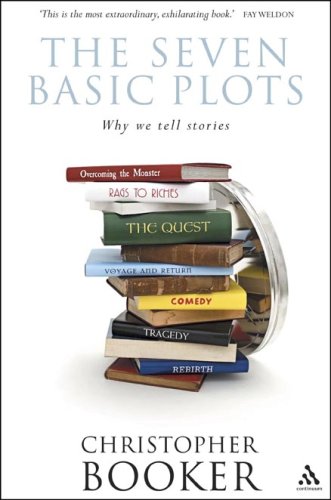
More examples: The Seven Basic Plots summary and Google answers.

Top 10 Rules for Mystery Writing


Crime_writing_comic
  1. In mystery writing, plot is everything. Because readers are playing a kind of game when they read a detective novel, plot has to come first, above everything else. Make sure each plot point is plausible, and keep the action moving. Don’t get bogged down in back story or go off on tangents.
  2. Introduce both the detective and the culprit early on. As the main character, your detective must obviously appear early in the book. As for the culprit, your reader will feel cheated if the antagonist, or villain, enters too late in the book to be a viable suspect in their minds.
  3. Introduce the crime within the first three chapters of your mystery novel. The crime and the ensuing questions are what hook your reader. As with any fiction, you want to do that as soon as possible.
  4. The crime should be sufficiently violent — preferably a murder. For many readers, only murder really justifies the effort of reading a 300-page book while suitably testing your detective’s powers. However, also note that some types of violence are still taboo including rape, child molestation, and cruelty to animals.
  5. The crime should be believable. While the details of the murder — how, where, and why it’s done, as well as how the crime is discovered — are your main opportunities to introduce variety, make sure the crime is plausible. Your reader will feel cheated if the crime is not something that could really happen.
  6. The detective should solve the case using only rational and scientific methods. Consider this part of the oath written by G.K. Chesterton for the British Detection Club: “Do you promise that your detectives shall well and truly detect the crimes presented to them using those wits which it may please you to bestow on them and not placing reliance on nor making use of Divine Revelation, Feminine Intuition, Mumbo Jumbo, Jiggery-Pokery, Coincidence, or Act of God?”
  7. The culprit must be capable of committing the crime. Your reader must believe your villain’s motivation and the villain must be capable of the crime, both physically and emotionally.
  8. In mystery writing, don’t try to fool your reader. Again, it takes the fun out. Don’t use improbable disguises, twins, accidental solutions, or supernatural solutions. The detective should not commit the crime. All clues should be revealed to the reader as the detective finds them.
  9. Do your research. “Readers have to feel you know what you’re talking about,” says author Margaret Murphy. She has a good relationship with the police in her area, and has spent time with the police forensic team. Get all essential details right. Mystery readers will have read a lot of books like yours; regard them as a pretty savvy bunch.
  10. Wait as long as possible to reveal the culprit. They’re reading to find out, or figure out, whodunit. If you answer this too early in the book, the reader will have no reason to continue reading.

by Ginny Wiehardt

Source for Image

From Writers Write Blog.

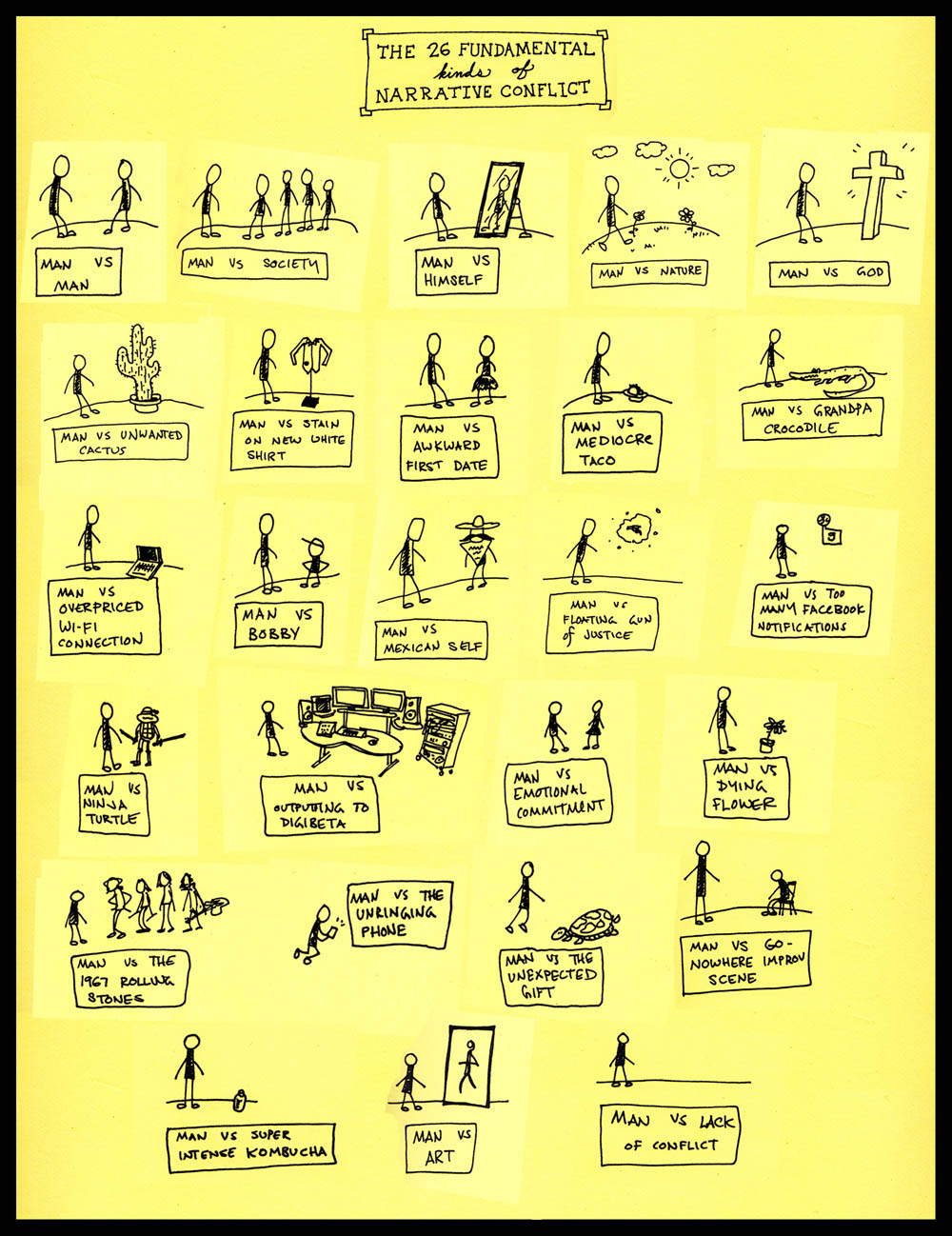
7 Types of Narrative Conflict by Mark Nichol

contemp_freytag

Every work of literature, and much nonfiction narrative, is based on at least one of the following conflicts. When you write a story or a biography, or relate a true event or series of events, you need not focus on such themes, and there’s no reason to state them explicitly (except in passing, perhaps, to provide insight about a biographical subject), but you’re wise to identify the conflicts inherent in your composition and apply them as you write.

1. Person vs. Fate/God
This category could be considered part of conflict with self or with society (many people count only four types of conflict, including those two and conflict with another person or with nature). That’s a valid argument, as one confronts fate as part of an internal struggle and religion is a construct of society, but explicitly naming fate (Oedipus Rex) or God — or the gods (The Odyssey) — as the antagonist is a useful distinction.

2. Person vs. Self
A person’s struggle with his or her own prejudices or doubts or character flaws constitutes this type of conflict (Hamlet).

3. Person vs. Person
Any story featuring a hero and a villain or villains (The Count of Monte Cristo) represents this type of conflict, though the villain(s) is/are often representative of another antagonist in this list, whether a villain is in essence an alter ego of the protagonist (thus representing the conflict of person versus self) or stands in for society.

4. Person vs. Society
When the protagonist’s conflict extends to confronting institutions, traditions, or laws of his or her culture, he or she struggles to overcome them, either triumphing over a corrupt society (I draw a blank here – Tyson says: most thrillers have an element of this), rejecting it (Fahrenheit 451), or succumbing to it (1984).

5. Person vs. Nature
In this conflict, the protagonist is pitted against nature (Robinson Crusoe) or a representation of it, often in the form of an animal (Moby Dick).

6. Person vs. Supernatural
Superficially, conflict with the supernatural may seem equivalent to conflict with fate or God, or representative of a struggle with an evocation of self (Dr. Jekyll and Mr. Hyde) or nature (The Birds). But this category stands on its own feet as well.

7. Person vs. Technology
Humanity’s innate skepticism about the wonders of technology has resulted in many stories in which antagonists use technology to gain power or in which technology takes over or becomes a malign influence on society (Brave New World).

From Daily Writing Tips.

Of course, Mark left out the most important one for writers, especially those working on a series of novels:

Person vs. Expectations.
Someone picked up your book because the publishing house put a picture of a dog on the cover, even though there isn’t a dog in the book (unless you count the love interest), and is expecting a book that will help them get to sleep in the 10 minutes per night that they read just before bed. Anything other than an easy to read, short chapter, low concept novel and the expectations will either result in a sleepless night or dire reprisals on social media. If this is not the first book the person has read by the author, then unfair comparisons will be made if you don’t manage to outshine everything you’ve ever written and will ever write – the latter for those coming late to a series or author.
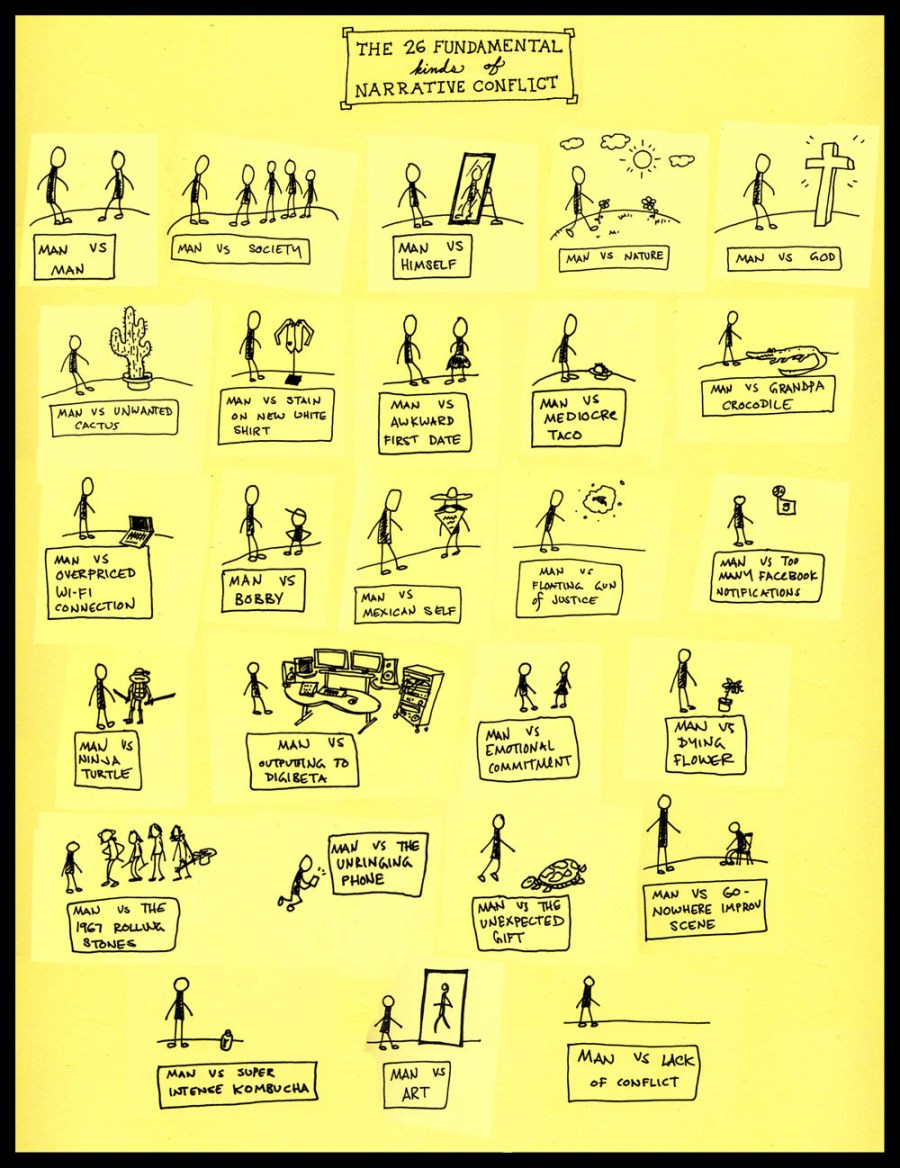
conflict1000

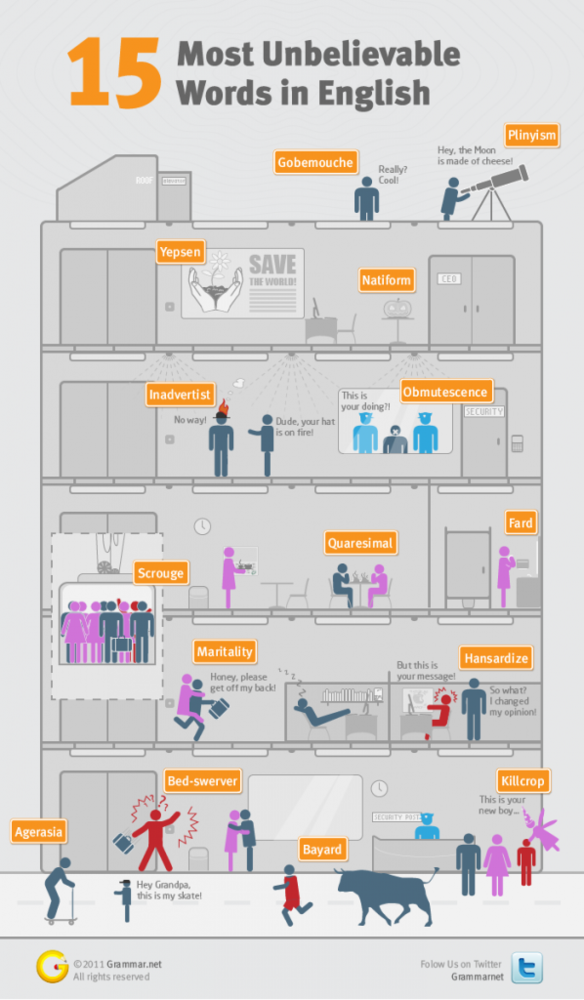
The 15 Most Unbelievable Words in English

Unbelievable_WOrds.png.scaled1000

Agerasia
(n.) A lack of the signs of old ages; a youthful old age
“The agerasia of that fellow is amazing; look at him darting around on those skates!”

Bayard
(n.) A person armed with the self-confidence of ignorance
“Only a bayard would walk past that bull.”

Bed-swerver
(n.) An unfaithful spouse
“Phil refused to believe his wife was a bed-swerver.”

Fard
(v.) To paint the face with cosmetics, so as to hide blemishes
“My wife’s tendency to fard in the bathroom for an hour made us late.”

Gobemouche
(n.) One who believes anything, no matter how absurd
“That guy is a gobemouche–I told him that bull would not chase him, and he believed me.”

Hansardize
(v.) To show that a person has previously espoused opinions differing from the ones he or she now holds
“Tom hansardized Phil by showing us a letter Phil had written to him.”

Inadvertist
(n.) One who persistently fails to take notice of things
“I am an inadvertist when it comes to driving. I run over about 3 things a month.”

Killcrop
(n.) A brat who never ceases to be hungry, and was popularly thought to be a fairy that was substituted for the child
“Once upon a time, wicked faeries kidnapped a child and replaced it with an evil killcrop.”

Maritality
(n.) Excessive or undue affection on the part of a wife for her husband
“Marge’s maritality was driving Burt insane, so he went out with his buddies.”

Natiform
(adj.) Buttock-shaped
“The children giggled when they saw the natiform pumpkin.”

Obmutescence
(n.) The state or condition of obstinately or willfully refusing to speak
“The sullen boy glared at his mother in obmutescence.”

Plinyism
(n.) A statement or account of dubious correctness or accuracy, such as some found in the Naturalis Historia of Pliny the Elder
“Saying that the moon is made of cheese is pure plinyism.”

Quaresimal
(adj.) Said of a meal, having the qualities of food served during Lent; austere, skimpy
“We only had a few pieces of chicken, and after our quaresimal meal, we were still hungry.”

Scrouge
(v.) To inconvenience or discomfort a person by pressing against him or her or by standing too close
“I was standing in the elevator when six other people got in, and one in particular scrouged me into a corner.”

Yepsen
(n.) The amount that can be held in two hands cupped together also, the two cupped hands themselves
“The pond was nearly dry; barely more than a yepsen of water was left.”

From Writers Write blog.

Choosing a location for your story

32359_388405211247188_455351472_n

As much as I love America, does every crime and thriller novel written have to be set there? Wouldn’t it be great if more stories chose some other locations?

Before anyone jumps on me, yes, I know, there are plenty of stories set in diverse locations. My comment is more about the way writers are so often told that people only want to read stories set in the US, that it has to appeal to the US market. I think we all know that this is a presumption on behalf of the industry for us readers. Let’s try and push for the more challenging locations in the stories we read.

The Snowflake Method

The Snowflake Method always makes my think of Tyler Durden.

14309_10152213444110297_430942664_n

After sinking my teeth into writing workshops at the Perth Writers’ Festival, I have come to realise that there are some fantastic methods for encouraging ideas and story/character development. The thing is, though, you kinda pick up these methods up as you do battle with words. It is great to have these methods on hand, but some methods, like the aforementioned Snowflake Method, really do distract from putting one word after the next. You see, whilst the Snowflake Method may be great for getting to know your characters and your plot (really, really, really) well  and “growing a plot naturally”, it seems specifically designed to bore you to death. To put it simply, you have to finish a project, which means writing and not sitting around contemplating your navel.

So a writing method is only as good as the amount of writing projects it helps you finish. Just a thought: what are yours?

Perth Writers’ Festival 2013

Another year has come and gone for my local writers’ festival. Once again I joined my fellow reading nerds and aspiring authors to descend upon the grounds of UWA. This year there were 30,000 of us who felt the need to spend three days of lovely weather discussing books.

This year I spent a lot of the three day in writing workshops and less time at discussion/interview sessions. There is always room for improvement in writing, so what better way than sitting down with an expert and two dozen peers to discuss and practice. I’d like to thank the various experts who all had some interesting insights and tips: Susan Midalia (short stories – literary focus), Belinda Castles (finding your voice and turning that story into reality), LA Larkin (thriller writing, great tips and she is also running a longer course with the Sydney Writers Centre) and Parker Bilal (crime writing, developing the characters and structure).

This isn’t to say that I didn’t get the chance to see any talks. The discussion of Antarctica was fascinating and puts it on the list of places I’d like to visit before climate change has its wicked way with it. The discussion with Major General John Cantwell and former WA premier Geoff Gallop about why it is necessary to help remove the stigma around mental illness was fantastic. John managed to pretend he wasn’t suffering PTSD for 20 years, which is just amazing considering some of the the ramifications it was having on him. Another great session was with David Petrarca, Sue Masters and James Bradley discussing how TV storytelling now rivals cinema and literature. It is quite clear that subscription TV and services like Netflix are changing the game for production of TV, which is why we are seeing great writing, great acting and decent budgets to give us programming I actually want to watch. James Bradley made a very poiniant comment: we have to stop ragging on Master Chef and other boring and mindless TV shows, their popularity allows decent TV to be funded. Finally, on Sunday I was introduced to two new (for me) authors in the panel discussion on thrillers with Andrew Croome, LA Larkin and Steve Worland. I’m looking forward to reading Andrew and Steve’s books, and of course Louisa’s new novel Thirst.

But, now the festival is over for another year. This picture sums up the take home message for me from this year’s Perth Writers’ Festival:

538064_470914782957833_324528495_n

Book Review: Gone Girl by Gillian Flynn

Gone GirlGone Girl by Gillian Flynn
My rating: 5 of 5 stars

I normally hate literary styled books. They normally take all the fun stuff out of the book and replace it with tedious exposition masquerading as deep and meaningful prose. Award winning books are usually weighed down with this superfluous fluff.

This is a harsh statement, I know. Just because a book has won a literary award that doesn’t mean it has to suck. But it all comes back to some training I had in communication sciences at university. No-one cares about the methods, or process, or how long you spent doing this, and especially not how much research you did, they only care about what’s in it for them. Boil that down to a simple: readers are reading your book to be entertained. So all of that exposition is just getting in the way of entertaining the reader.

Gone Girl is as close to a literary styled novel I have read (to completion) in almost a decade. I used to read persevere with them all the time, now I have learnt my lesson. What makes Gillian’s book different is that she hasn’t forgone the plot, nor drawn out the story. So fans of crime novels will be captivated and literary fans might admit they need to read more genre books.

I put this novel off for a long time, buying it because of all the rave reviews and awards, then hearing it was very literary and baulking. I can see why this novel has been the big thing of 2012, it deserves the praise.

View all my reviews

Short stories now on Amazon

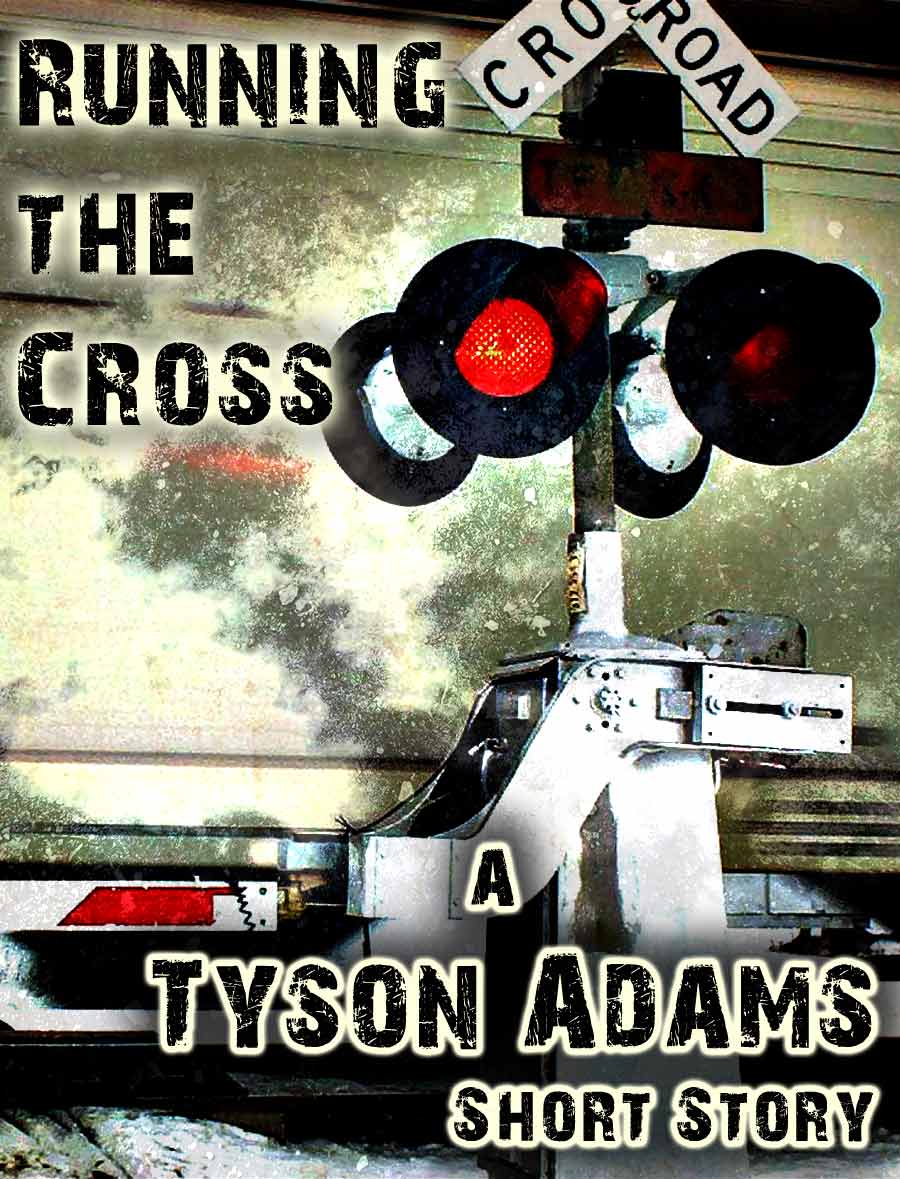
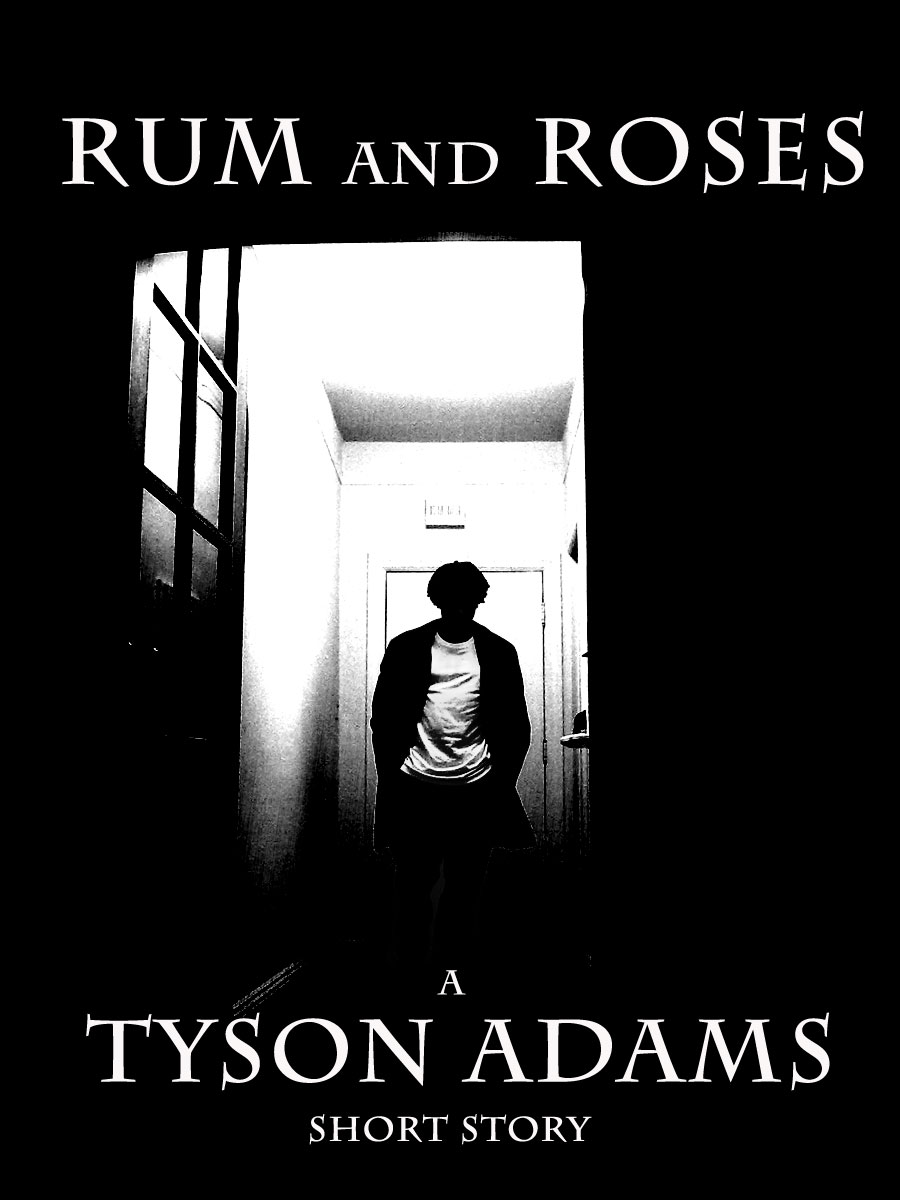
That’s right. I decided that there was no better way to learn how to publish my novellas than to practice with two of my short stories. I’m now prepared for the task of crossing the threshold into “professional author” territory, letting my creations escape the confines of my head and harddrive. I’ve priced both short stories at the Amazon standard $0.99, which is about what I think short stories should go for – novellas $2.99, novels somewhere between $7 and $10.

Running-the-Cross Rum-and-Roses

So if you would like to read some short stories, may I suggest you download mine from Amazon. Running the Cross is “A test of mind and body, running the cross is the ultimate test. A dozen rail lines, thousands of tonnes of freight trains travelling at high speed, a race across the tracks to prove yourself. Will you survive?” Rum and Roses “The police don’t like ‘Skinny’ McAfree, but they do like him for the disappearance and possible murder of his next door neighbour.”

I really enjoyed writing both of these, especially Running the Cross, and hope you enjoy reading them.
http://www.amazon.com/dp/B00B3WP0OK – Running the Cross

http://www.amazon.com/dp/B00B3XTKFO – Rum and Roses