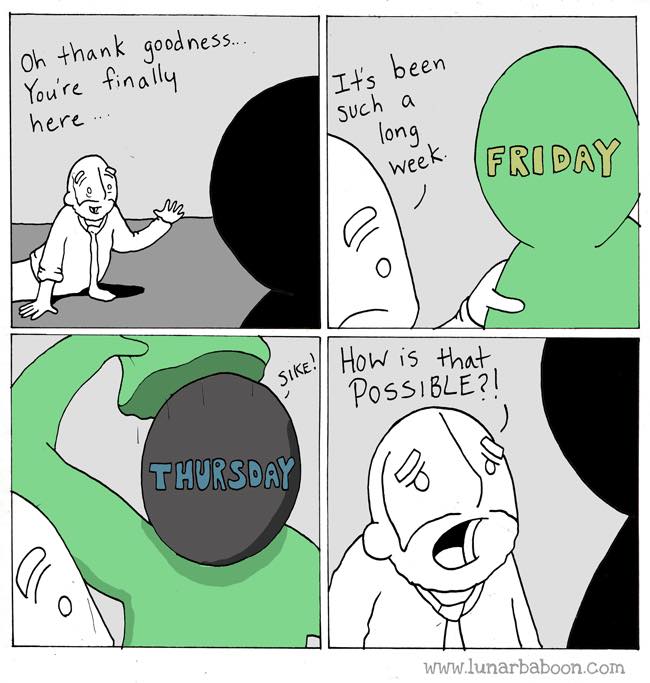
This is fantastic. I also like the irony of posting this on a Friday (Thursday for many of you, since I’m in Australia).
Check out Lunarbaboon and buy his stuff.

This is fantastic. I also like the irony of posting this on a Friday (Thursday for many of you, since I’m in Australia).
Check out Lunarbaboon and buy his stuff.
My rating: 3 of 5 stars
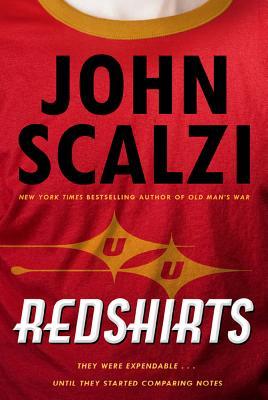
Sometimes you can create characters that are a little bit too realistic.
Ensign Andrew Dahl has just been assigned to the Intrepid as a xenobiologist. But from his first day onboard he notices that something is wrong with the rest of the crew. He and his fellow new recruits quickly realise that people on away missions have a nasty habit of dying. Except for a select handful of important crew members that is. They also notice that reality doesn’t make much sense at times when The Narrative takes over. Can Dahl and his friends figure it out before an away mission kills them too?
After reading the first chapter of Redshirts I had to consult with the interwebz to answer a question about this book: Is it worth reading the whole thing? Aside from one notable review that captured several of my concerns, the vast majority of my fellow readers loved Scalzi and this book. So I decided to persist and found myself at the end of Redshirts with the same reservations as I had at the end of the first chapter.
Firstly, this book was good enough to keep me reading. Redshirts has a very strong premise and the story is mostly well executed. The main story – more on the codas in a minute – steams along and is pretty entertaining. It won a Hugo, so clearly it has a lot to offer.
Now, let’s get to the buts.
For what is clearly a comedic novel, Redshirts is nowhere near as funny as it thinks it is. He said. He said. It has a cast of characters that are meant to be shallow and interchangeable, but they are so interchangeable that you wouldn’t know who was talking if you weren’t constantly reminded. He said. He said. The premise may be very strong, but I felt it wasn’t fully realised, which left me frustrated. And then the three codas arrived and shifted away from the previous 25 chapters’ lighthearted tone. All three, but especially 2 and 3, had a much more serious tone and felt like they belonged in a different novel.
So while I mostly enjoyed reading Redshirts, I feel it wasted its premise and wasn’t as well-executed as I’d have liked.
NB: My wife said I had to tell everyone that I’ve spent all day complaining about the ending to Redshirts. She feels it would be disingenuous of me not to mention that and to also give you an idea of how much she is looking forward to me reading something else.
Somehow, we have managed to acquire a Barbie storybook which our daughter inexplicably enjoys. While I privately suspect that the interest level is driven purely by the immoderate amount of pink the book is composed of, she is still fascinated by having us read it to her at bedtime.
For those who aren’t aware, Barbie is a feminist icon early childhood reinforcement of patriarchal beauty standards much-beloved kids’ toy. It has expanded from a tool of societal indoctrination line of fashion toys into a multimedia empire of animated films, television shows, video games, music, and books; and I’m left with some very important questions.
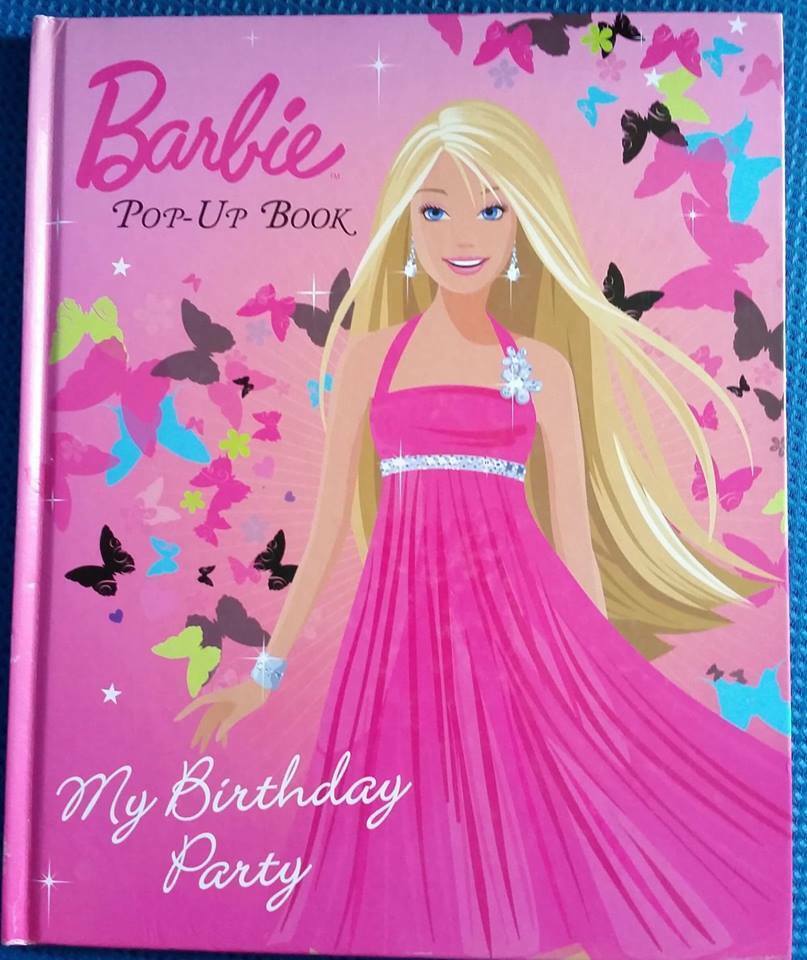
The eponymous protagonist’s story starts with her need to celebrate her birthday by buying lots of stuff and having her friends do the same. There are decorations, cake, sparkly jewellery, and dresses to buy. And lots of butterflies for some reason. I’m not sure if the butterflies are attracted to the inordinate amount of sparkly jewels Barbie and her friends adorn themselves in, or if they are a hallucination due to overconsumption of shrooms, or if the butterflies are actually Death’s Head moths and Barbie’s Fun House is in need of an FBI raid.
This brings me to my first question: how is Barbie funding this lavish lifestyle. I know that Barbie has had many jobs during her life but she never seems to hold them down for any length of time. A lot of those jobs weren’t particularly well paid, and given the number of technical and professional degrees she would have had to obtain, her student debt levels would have to be crippling.*
To my mind, there are three possible explanations for this lavish lifestyle. Barbie is either:
The drug dealer explanation would certainly explain her impossible body proportions; the amphetamines and cocaine keeping her thin, and with plastic surgery padding the other areas. But another career? That seems a bit far fetched. The credit card funding similarly doesn’t seem likely due to her 30-jobs-a-decade career habit.
The job-hopping would, however, fit with the trust-fund baby explanation. Bored rich kid decides to change careers for the third time this year: not a problem. It would also explain many of the other story inconsistencies. Which brings me to the next issue.
In the story, Barbie is throwing a party for herself. She could have been throwing a surprise party for her friends, or she could have been holding a fundraiser for impoverished people who can’t afford to eat let alone accessorise for their catered birthday party. Instead, we are treated to pages of exposition detailing her choice of dress, make-up, jewellery, hairstyle, and matching her shoes and handbag. Then to top it all off, we see her matching presents to the friends who gave them, as though she is judging the friendship upon the quality of the gifts received.
I’m concerned that in a world of growing inequality that Barbie’s message is one of vapid selfishness that seeks to teach young girls a nasty and mean lesson. This trust-fund image-obsessed wealth flaunter is not an ideal that young girls should be exposed to. The very least Barbie could have done is host a charity fundraiser, although even that is somewhat problematic. Has she learnt nothing from Bill Gates and Warren Buffet’s examples?
Maybe I’m judging Barbie too harshly. This was, after all, a short Barbie story. It is quite possible that in further adventures many of my above concerns and questions will be addressed. I only hope that those stories have satisfactory explanations and answers.
* I’m also not convinced that she has actually had all of the jobs she has claimed. There is a sense that she is padding her resume for some unknown reason. I mean, how do you manage to be a paratrooper and the US President in the same year and then throw the towel in to become a Spanish teacher the next year?
** There is a fourth option that I don’t wish to include in the main list as I hope it is untrue. Pretty girls like Barbie can make good money escorting and that would certainly explain her expansive wardrobe; her sugar daddies making sure she is always looking pretty. This is a very poor message to send to young girls. Encouraging such a dual-exploitative career as a means to accrue meaningless objects of vanity normalises everything wrong with the sex-industry whilst marginalising its positive aspects.

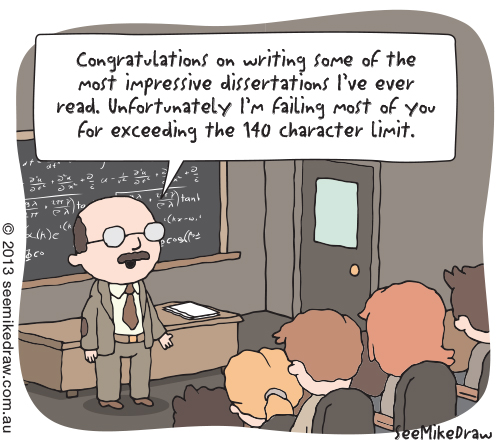
Every now and then I masochistically log onto Twitter to see what passes for civil discourse amongst the people trying to sell you stuff and those not quite racist enough to be booted to Gab. When I recently logged on, a couple of the authors I follow were updating their fans with their novel progress, or what was currently distracting them from writing.
What interested me about these updates was that several authors were talking about having to trim their draft by 50-65%. That’s right, authors who needed to hand in a 100,000 word manuscript to their publisher were having to trim 100-200,000 words from their novel.
Word limits are a funny thing. I’ve never had a problem being succinct, to the point that my editing usually involves added 15-20%. Yet these successful authors* are having to sit down with their editors to cull half their manuscript. And if we’re being honest, some successful authors** should have culled a lot more and saved their readers all that page skipping.
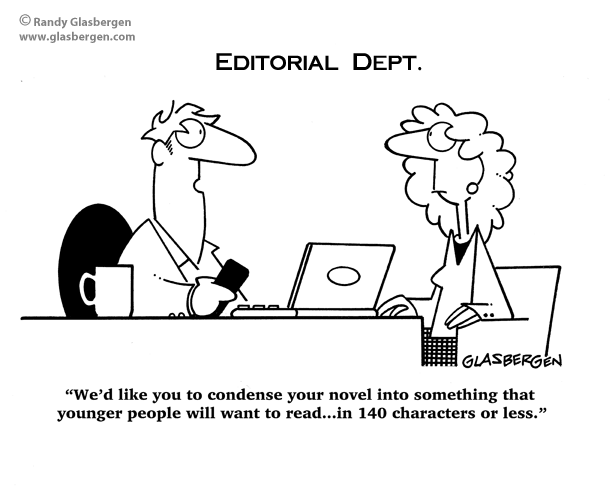
One of the good things that Twitter trains you to do, aside from teaching you that trolling people is perfectly okay, is how to express yourself succinctly in 140 280 characters. It forces you to practice creating a thought or sentence in a manner that may be foreign. For example, the complex phrase:
I disagree with your supposition as it is currently unsupported by any evidence, either presented by yourself or in the scientific literature, thus there is no reason for me to support your statements. I would also question how rational your supposition is, because despite the lack of evidence, there is no reason to suspect that there is any industry conspiracy trying to deny Dwanye “The Rock” Johnson an Oscar for Best Actor.
Can be replaced with:
Lol, moron!
This says everything that is needed and doesn’t dance around the topic. Conversely, the reply to this can be shortened from:
Whilst you are allowed to disagree with me, my opinion still stands. I cannot provide a summary of the relevant scientific literature at this time, but this is information that is readily understood and referenced in the literature. Thus I will endevour to provide a few examples when I am able to, but in the meantime I’d invite you to read further on the topic, as I suspect that you will agree with me once you have. I will admit, however, that the literature on this topic is currently inaccessible due to paywall restrictions, thus this unsourced blog post will have to suffice until such time as the academic publishing model is reformed.
Can be replaced with:
Well screw you and the horse you road up on.
The trick is to start with what your key points are and not overuse exposition to explain those points. The 140 280 character limit can help with this a lot.
In the meantime, if you aren’t a fan of See Mike Draw, I suggest you become one now.
* Maybe that is why they are successful authors and I’m still in that emerging author category. Perhaps it is time to write double the amount I need.
** Obviously not the authors I follow.
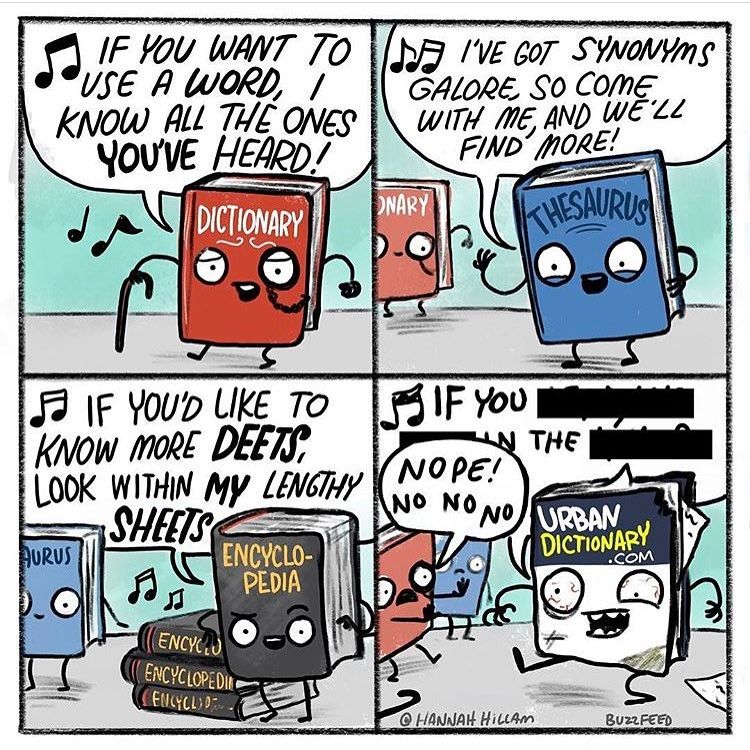
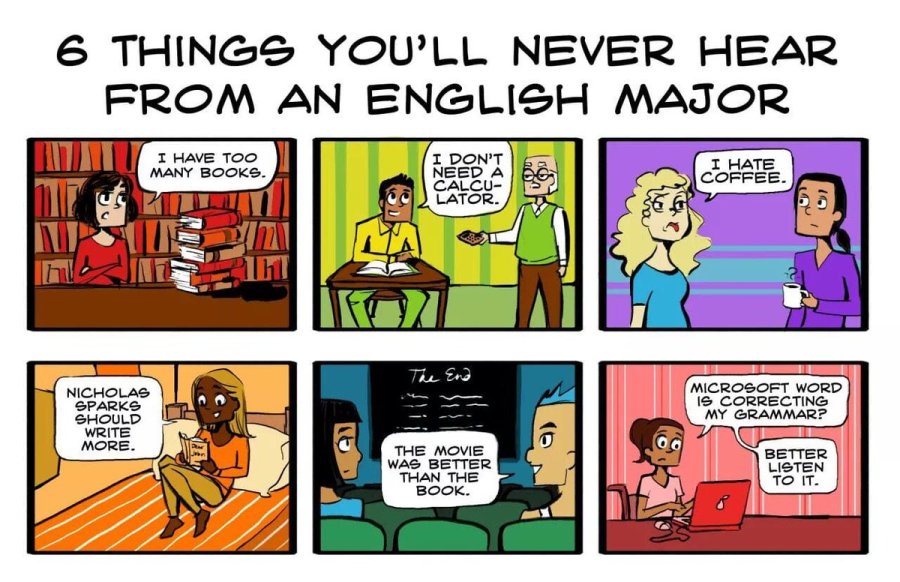
Number 5 you might actually hear, as I’ve discussed here.
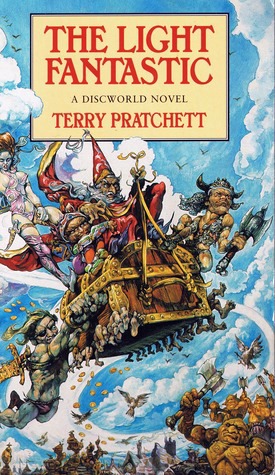 The Light Fantastic by Terry Pratchett
My rating: 5 of 5 stars
Luggage that doesn’t get lost? This must be a fantasy novel.
After shooting off the edge of the Discworld in The Colour of Magic, Rincewind and Twoflower are magically returned to the Disc for reasons unknown. The world turtle, Great A’Tuin, is swimming through space, excited about the red star it is approaching. The Wizards have noticed the red star and the magical change that allowed Rincewind and Twoflower to return, allowing them to uncover an ancient prophecy. Can the prophecy be fulfilled before Great A’Tuin reaches their destination?
When I finished The Colour of Magic I was a little peeved. Whilst a continuing story cliffhanger is a common fantasy trope, a book satirising fantasy tropes should surely rise above such shenanigans. That downgraded my rating to 4 stars.
Happily, The Light Fantastic finished the story started in The Colour of Magic in a highly entertaining fashion. I especially enjoyed the introduction of Cohen the Barbarian, being a fan of the Robert E Howard stories. Death and the other horsemen learning Bridge had me grinning for days. I wouldn’t rate this as one of Pratchett’s best Discworld novels, but it certainly started the ball rolling.
My rating: 3 of 5 stars
Life is like a box of doughnuts. Mmmmmmm, doughnuts!
Theo Bernstein is on something of a losing streak. He lost his money, he lost his wife*, he lost his job, and he lost the visibility of one of his arms. Given how high profile the reason for losing his job was – who knew people would miss a mountain? – it’s a wonder he is able to find any work at all, first at an abattoir, then at a hotel. The hotel gig might be easier than hauling offal, but it’s a weird job, made weirder by the strange bottle left to him by his old professor, Pieter van Goyen. How can this bottle be the future of entertainment? And is there a doughnut shop nearby?
In the middle of last year, an author friend – Kaaron Warren** – recommended The Management Style of Supreme Beings to me. It was one of the nominees for an international award she was judging and she spoke glowingly of it. I’d previously enjoyed one of Tom’s books under his KJ Parker pseudonym, so I decided to track it down at the library. Obviously, I was unsuccessful, as instead, I ended up with Doughnut.
This explanation is a roundabout way of saying that I had high expectations for this novel. In some ways, Doughnut managed to rise to those expectations. Holt is a very sharp and inventive author. There are plenty of genuinely funny moments and ideas in this book. But somehow I felt it was all a bit pointless and inane.
In some ways, this is a product of the very British bumbling protagonist used in this novel. It tends to influence the way the story is told, usually in a way that is deliberately frustrating but with the reward of large doses of humour. Unfortunately, I’m not sure this was quite funny enough for the narrative style.
So while this was quite entertaining, I had hoped for more, particularly in the humour department.
*Lost his wife in the sense that she decided to leave him, not the lost in the ‘we were just walking through the Xmas sales and she let go of my hand for a moment and now I can’t find her in this crowd’ kind of way.
** Read her books: https://www.goodreads.com/author/show…
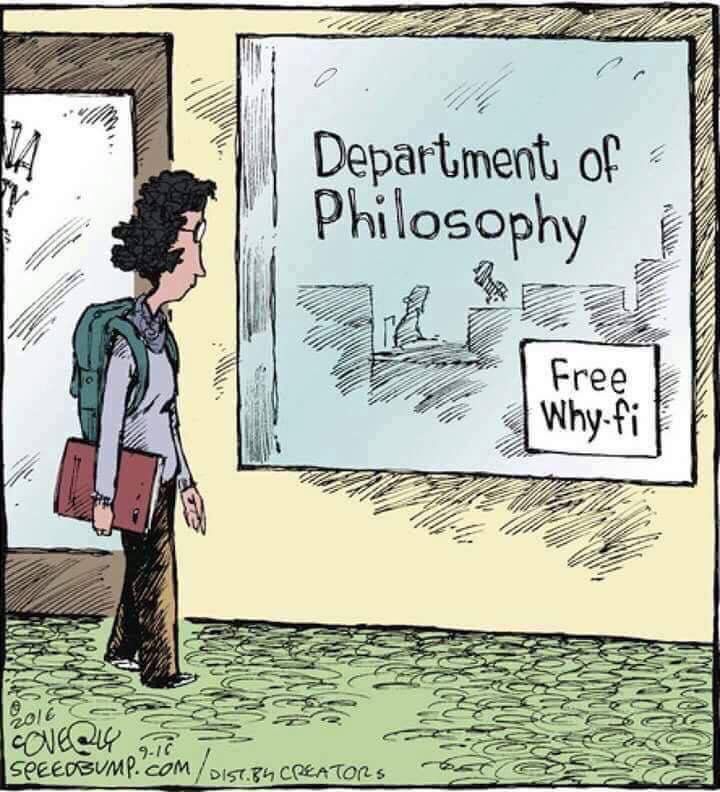
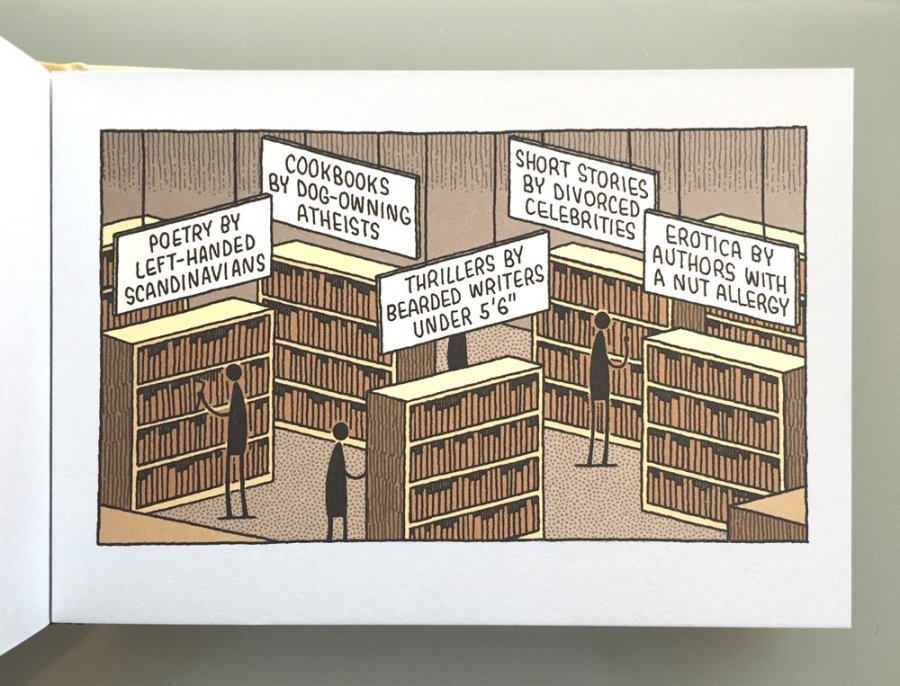
From Dave Coverly at Speed Bump.
I think any writer could confirm the truth of this.
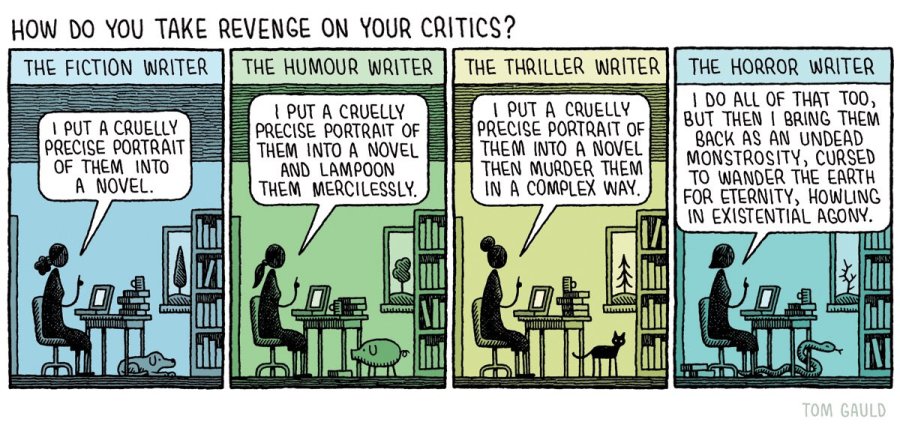
Another brilliant cartoon from Tom Gauld in The Guardian Review.
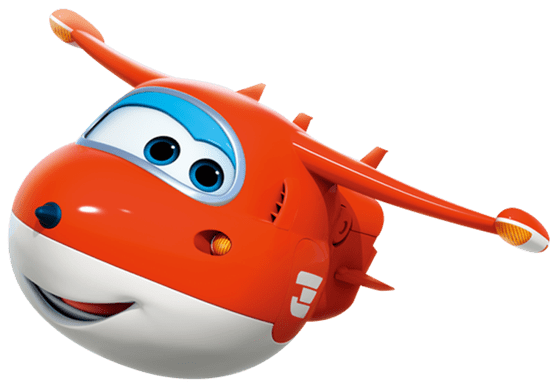
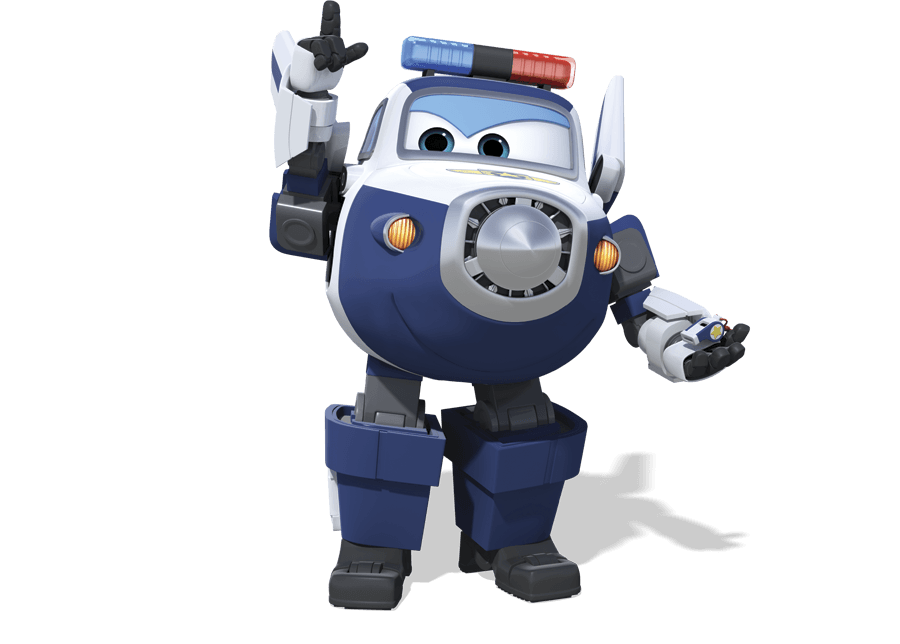
The latest craze in our house is Super Wings with the various character catchphrases having entered my own lexicon. Super Wings is a children’s toy advertisement TV show following the adventures of the red delivery jet imaginatively named Jett. The various sentient planes on the show have the ability to transform into robots and I’m left with some very important questions.
Jett is the series protagonist. Every episode he is dispatched to another location far across the planet to deliver a package. Yes, just one package. Anywhere on the planet. By jet plane.
How does this package delivery company manage to stay financially afloat!?!
I’ve crunched the numbers on a single 3,500km adventure and just the cost of fuel would be ~$3,000. That’s an expensive package. But Jett is modelled off of an F-16 Falcon which has a range of ~4,000km, yet routinely does deliveries of twice that distance. Not only would Jett have to stop over for fuel or do an aerial refill, neither of which have been shown to occur in the show, but those package delivery costs would also further sky-rocket.
This company’s package delivery economic model can’t work. Either the packages, which are often small items like badminton racquets, are freighted with super expensive delivery fees to only extremely wealthy clients, or the company runs at a massive loss. Now, we already know from the list of clients that many of the package recipients are not wealthy. One adventure sees Jett deliver a sled to a Moroccan villager, and whilst Moroccan’s aren’t living in the poorest African nation their average take-home pay is half that of an average Aussie. This leaves us with a company that has to be running at a loss.
But does it? They have to pay for that fuel somehow. Jett’s employment must be worth something. As a sentient transforming plane surely Jett must have economic needs to be met. Jett might be internationally famous, but I doubt that keeps a roof over his head and whatever equivalent of clothes on his back there is for an anthropomorphic plane – paint maybe?
That leads me to conclude that the package delivery company must be operating with an ulterior motive. It can’t be drug smuggling, even their profit margins couldn’t cover the ridiculous costs involved. Or maybe not. Maybe Jett and his deliveries are a cover for the smuggling operations that other delivery planes are involved with. Jett might be the publicity-friendly face covering for a much darker trade. Maybe sentient planes delight in trafficking human slaves around the world. If so, they already have the police in their pocket.
There is another possible explanation for the company’s motives and it relates to Jett’s adventures.
Without fail, every delivery that Jett performs he manages to instigate a series of unfortunate events. You have to wonder if Jett is a magnet for Murphy’s Law*, is some sort of Clouseau-esque character, or an agent of mayhem. Regardless, these events require Jett to call on his friends, the eponymous Super Wings, to help clean up his mess.
Several of these Super Wings friends appear to work at or are based out of the same facility as Jett. It is unclear why a package delivery service would have such broad-ranging staff – police, rescue, passenger, a WW1 biplane. It is also unclear why they are always so readily on-call to help. Are they just waiting for Jett’s latest mishap? But the biggest question is how they manage to fund the involvement of all of these extra staff for every delivery adventure. I’ve already covered how expensive just the fuel would be, but a minimum of two staff per delivery, one staff member unable to perform their primary role whilst helping out Jett, and the extensive travel time to far-reaching parts of the planet, and we start to see a mounting cost that has to be footed by someone.**
But what if these unfortunate events and resultant adventures for Jett and the Super Wings are a deliberate act? What if Jett and his package delivery employers are secretly working toward nefarious ends? They could, in fact, be trying to drive socio-political instability in far-flung places around the world. The only question that would then remain is if Jett is a knowing participant in this nefarious plot or if he is merely a pawn in a dastardly game of epic proportions.
Hopefully, all of these questions will be answered as the Super Wings series unfolds.
*For anyone lucky enough to be unfamiliar with it, Murphy’s Law states: Anything that can go wrong, will go wrong.
**Perhaps the aftermath of every episode is the delivery of an invoice for extra associated costs. Maybe that is how the package delivery service makes its money. Lure people in with a super cheap luxury personalised service and then charge for all of the added expenses incurred when Jett’s mayhem inevitably occurs.
This time last year (2017) my family and I attended the book launch of the latest instalment in the Hairy Maclary (from Donaldson’s Dairy) series by Lynley Dodd. Hairy Maclary and his friends have been entertaining people, particularly younger people with an as yet undeveloped world-weariness, for 30 years. The latest book in the series is titled Scarface Claw, Hold Tight! and I’m left with some very important questions.
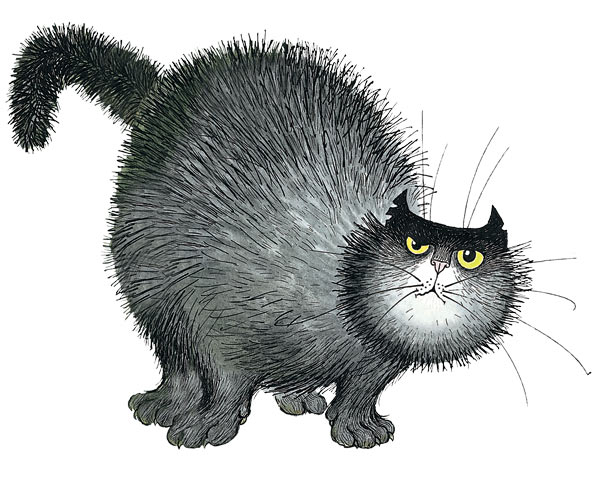
For those who aren’t aware, Scarface Claw is the toughest tomcat in the town where Hairy Maclary and his friends live. Which town this happens to be and the relative toughness of the other tomcats living there is not explored in any detail in the series, which could be regarded as an oversight. Scarface Claw has, on more than one occasion, threatened or utilised violence against the cats and dogs in town. This has seen scatters of paws and clatters of claws from Schnitzel von Krumm with a very low tum, Bitzer Maloney all skinny and bony, Muffin McClay like a bundle of hay, Bottomley Potts covered in spots, Hercules Morse as big as a horse, and Hairy Maclary from Donaldson’s Dairy.
Obviously, this nasty, violent, and abusive cat makes for an ideal protagonist in a children’s book. Scarface Claw, Hold Tight! marks the tomcat’s second outing as the hero.
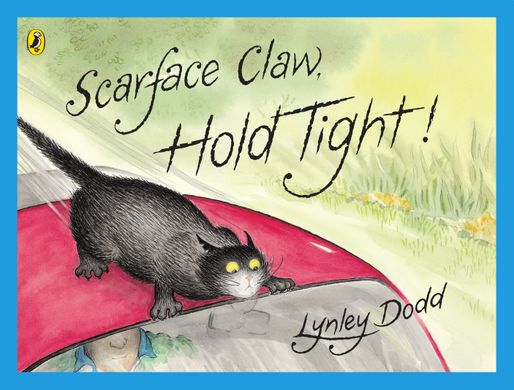
This adventure sees our cranky and crotchety hero sunning himself on top of Tom’s car. Somehow, Tom manages to not see the rather large black tomcat sprawled on the roof of his red car and hurries off to somewhere very important – another detail unexplored by the narrative. Since this is the inciting incident of the story, you would expect it to be more believable. Are we to seriously believe that Tom doesn’t notice old Scarface? As we soon discover, literally everyone else in the town notices Scarface Claw clinging to the roof of the car, so either Tom should be required to acquire prescription lenses for driving or he knew Scarface Claw was there all along.
That Tom knowingly drove around town with a cat on his roof is not inconceivable. Scarface Claw has a long and infamous history, particularly amongst the resident town pets, so mistreatment of the tomcat may be a common occurrence. It may be that this mistreatment is what makes Scarface Claw the nasty cat he is. Maybe with extensive therapy, Scarface Claw could become a lovable and friendly cat who would be invited to Slinky Malinky’s house in a tail waving line. We can only hope.
We also have to question why everyone in town noticed Scarface Claw clinging to the roof and wanted to “rescue that cat”. Presumably, the townfolk recognised Scarface Claw, so either they are more kind and caring than Tom – plausible given my previous points about potential mistreatment – or they are starved for excitement such that waving a sock at a driver with a cat on his car roof would make it into a lifetime highlights list. But that doesn’t excuse the next issue.
I know that many animal lovers would support the use of police and fire and rescue for animal emergencies, but you have to question Constable Chrissie’s response. Did the Constable honestly have nothing better to do with her time than pull Tom over? What laws has he broken? If Tom has broken some laws, why wasn’t he charged with an offence? And why didn’t she call for a licensed animal controller, such as the Ranger, instead of relying on the ever conveniently helpful Miss Plum?* Does Constable Chrissie suspect that Tom is an abusive pet owner and is wanting to compile a list for a potential animal welfare case?**
There are so many questions left unanswered, so many details not covered, that I am left at a loose end. I can only hope that future books in the series will address these issues in some way.
*Miss Plum has a long habit of helping the town pets out of their adventurous mishaps. She seems to always conveniently arrive in the nick of time. A more suspicious person would suspect that something more sinister is at play here. Is Miss Plum stalking the town pets? Is she behind the pets’ misadventures? Hopefully, these questions will be addressed in later instalments in the series.
**Or at least intervene where possible to stop animal abuse events.***
***And it is possible that Constable Chrissie keeps an eye on Tom and his activities – possibly Miss Plum does as well – because she suspects Tom’s animal abuse may morph into something more serious. Best to catch a killer early.
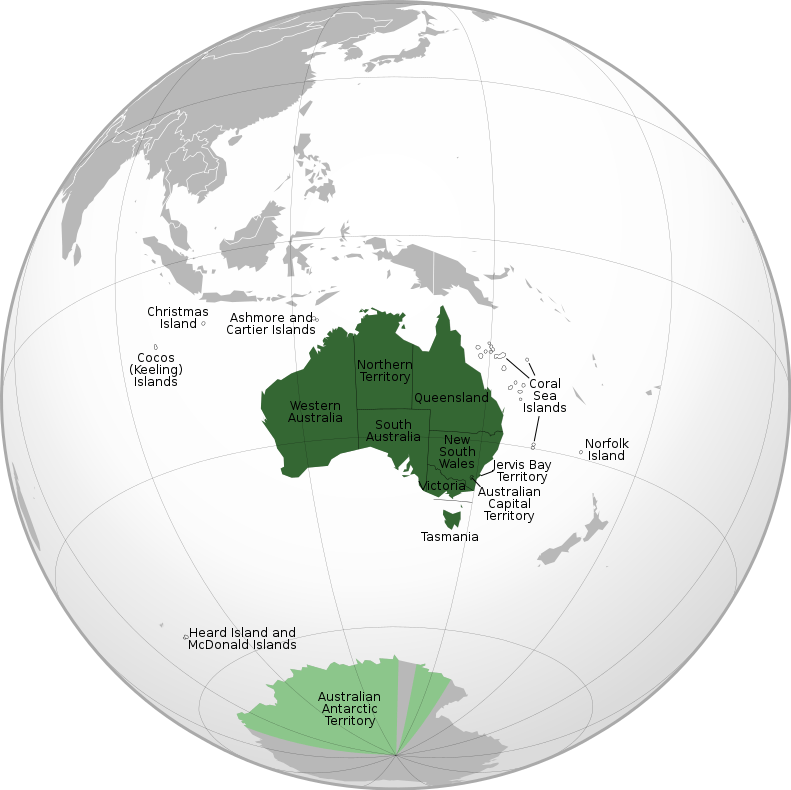
All of the Australian states and territories are famous, but for varying reasons. I’ll focus on the six main states and the two mainland territories, because I don’t know anything about the other places.
Australian Capital Territory (ACT): famous for being infested with politicians and bureaucrats. In keeping with tradition, the Aboriginal lands of Kamberra – meaning ‘meeting place’ – were stolen and renamed Canberra when we built our nation’s capital there.
New South Wales (NSW): famous for containing Sydney, the only Aussie city foreigners know, and the only part of Australia Sydney-siders think exists. Also, a great place for backpackers to rest for eternity in a state forest.
Northern Territory (NT): made famous, for better or worse, by Crocodile Dundee. Also famous for the highest (or nonexistent for a short while) speed limits on highways that results in four times the road death toll.
Queensland (QLD): famous for being approximately 50 years behind the rest of the country and being incredibly proud of that fact. See Katter Australia Party and Pauline Hanson’s One Nation for a clearer picture.
South Australia (SA): famous for their banking and barrels. Adelaide is okay.
Tasmania (Tas): famous for having lots of trees and people trying to save them. Also famous for gun control.
Victoria (Vic): famous for not being New South Wales. The state capital, Melbourne, is similarly famous for not being Sydney.
Western Australia (WA): famous for being so far away from everywhere else. Also has lots of mines and people wearing hi-vis clothing.
This post originally appeared on Quora.
 The Carpet People by Terry Pratchett
My rating: 4 of 5 stars
‘Don’t do that! You’ll disturb the carpet people.’
The Munrungs have just had their village destroyed by fray, a natural phenomenon from above The Carpet. In the aftermath, Glurk and Snibril try to help their village flee the attacking Mouls, a people who regard all others as animals and rather good eating. It is then they realise that fray is pushing a path of destruction through The Carpet and that the Mouls are attacking every city and town in its wake. Can they save civilisation so that people don’t go back to hitting each other?
While I was reading this novel I kept having to remind myself that it was the heavily revised edition written by the 40-something Pratchett, not the 20-something of the original edition. This was Pratchett’s first novel and as an ode to fantasy fiction had just the right amounts of absurdism and humour, which I can’t see a 20-something nailing. If Pratchett was this good out of the gate then every other author would be left weeping into the keyboard. Hopefully, someone who has read both versions can point out the differences.
This is, of course, not a Discworld novel. Apparently, all reviewers have to point this out for some reason. As such, Pratchett’s style, particularly his satire, is less pronounced here. While I thoroughly enjoyed reading The Carpet People, for long-time Discworld fans this may feel a little light or insubstantial. Or maybe they just feel guilty about having vacuumed their house.

Recently my family went to the Paw Patrol movie. My youngest is a (relatively) big fan and as a result, I found myself finally sitting down and watching a complete Paw Patrol adventure. And I’m left with some very important questions.
For those who aren’t aware, Paw Patrol is a rescue team that spans police, fire, construction, recycling, aquatic, and aviation – with later seasons adding snow and forest services and a robotic helper. This rescue team are based in the aptly named Adventure Bay and run by Ryder and his team of puppies.
Oh, was that not clear? The rescue team are composed of puppies with a series of catchphrases and dog houses that convert into vehicles. These catchphrases are very important to the show as they comprise roughly 60% of each episode; there is very little new content in any given adventure.
Ryder
“No job is too big, no pup is too small!”
Chase
“Chase is on the case!”
Marshall
“I’m fired up!”
Skye
“Let’s take to the sky!”
Rocky
“Don’t lose it, Reuse it!”
Rubble
“Rubble on the double!”
Zuma
“Let’s dive in!”
Everest
“Ice or snow, I’m ready to go!”
Tracker
“I’m all ears!”/”Todo Oidos!”
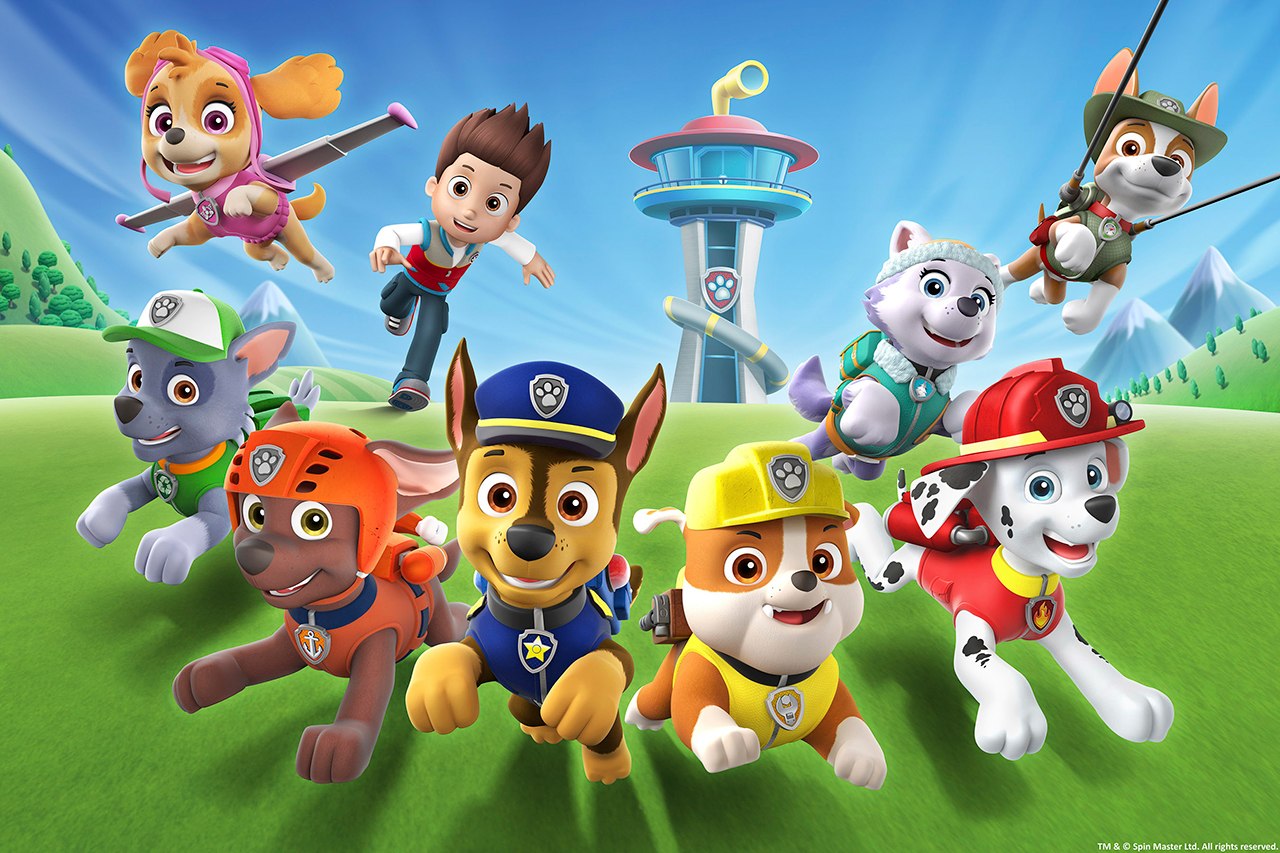
This brings me to the crux of the issue with Paw Patrol. Adventure Bay is riddled with people in need of rescue, and in later seasons there are even nefarious plots by royalty and rival mayors to cause havoc. So it is odd that this bustling town has decided to entrust major rescue efforts, law enforcement, and fire management to a 10-year-old and his team of puppies.
I’m not sure it is wise to allow Ryder to operate with such autonomy given his age. And as much as the pups have proved themselves capable, surely they are also too young and inexperienced for such important roles.* You have to question who allowed Ryder to establish the Paw Patrol and why he is allowed to continue.
Obviously, it helps that the mayor – one Mayor Goodway and her purse chicken Chickaletta – are often in need of assistance due to their own incompetence. This would certainly make Ryder and his pups endearing to Goodway. She seems willing to overlook Ryder’s repeated risk-taking and near catastrophic failures, even when it inspires others to wreak havoc. Would this fly in any other town?
Ryder also seems to have a suspiciously large amount of resources for a 10-year-old. The custom transforming dog houses are a marvel of technology that must have cost a fortune to make. Even if we are to believe that Ryder builds them all himself, this would require funds from somewhere, and knowledge that would have any tech company begging him to come and work for them. But new adventures see new technology introduced, seemingly overnight. Where does Ryder find time to design, engineer, and build aerial, submersible, etc, versions of equipment for his pups?** And when did he find time to be on the cutting edge of robotics and AI to create a robotic assistant dog?
I would contend that Ryder’s activities are not as altruistic as first appears. He seems to have infiltrated Adventure Bay and bribed his way to power using money and goodwill. The mayor looks the other way whilst he trains a team of puppies to do his bidding. His recklessness is all fun and games for the moment, but we will no doubt see Ryder’s true colours when one of the rescues fails and he has to show accountability.
Let us hope that on that day his puppies are able to be true heroes and save Ryder from himself.
*Sidenote: what happens when they are no longer puppies? Do they age out of the Paw Patrol team? Are they suddenly unemployed? Are there nearby towns/cities that take dogs with transforming dog houses, or are they abandoned to become strays? Will we one day see former Paw Patrol members return to Adventure Bay as bitter and twisted dogs bent on exacting revenge upon their former master who abandoned them?
**And I haven’t even touched on his ability to defy the laws of physics with some inventions. E.g. Marshall seems to have an unlimited supply of fire suppressant in a backpack that he can comfortably carry. Is it powered by as yet undiscovered physics, or does it tap into a well of magic? Why isn’t he sharing this technology with the world?
Update: According to reliable news sources, Chase has been in an officer-involved shooting. It has been confirmed that Zuma, the black Lab, was shot 17 times in the back after Chase mistook Zuma’s bone for a gun.
Update: The Misogyny and Authoritarianism of ‘Paw Patrol’.
 The Fifth Elephant by Terry Pratchett
My rating: 5 of 5 stars
Do sugar lumps disappear or were they never there in the first place?
Sam Vimes is making sure The Watch is moving with the times and keeping Ankh-Morpork in line when Lord Vetinari summons him for a new job: ambassador. He is despatched to Uberwald for the upcoming coronation of the Low King. It isn’t long before he is using diplomacy to take care of bandits, solve a mystery, break traditions, and stop a coup. As Vimes says, “So this is diplomacy. It’s like lying, only to a better class of people.”
The first Discworld novel I read was Guards! Guards! so the City Watch series are always among my favourites. The Fifth Elephant is more plot orientated than some other Discworld novels, so it feels more streamlined and ordered than some others. That doesn’t mean that the humour or satire are lacking, even if they can be a bit subtle at times (e.g. feudalism vs capitalism commentary is rife but takes a backseat to the plot).
I really enjoyed this novel. Nothing more to say really.

 Tyson Adams