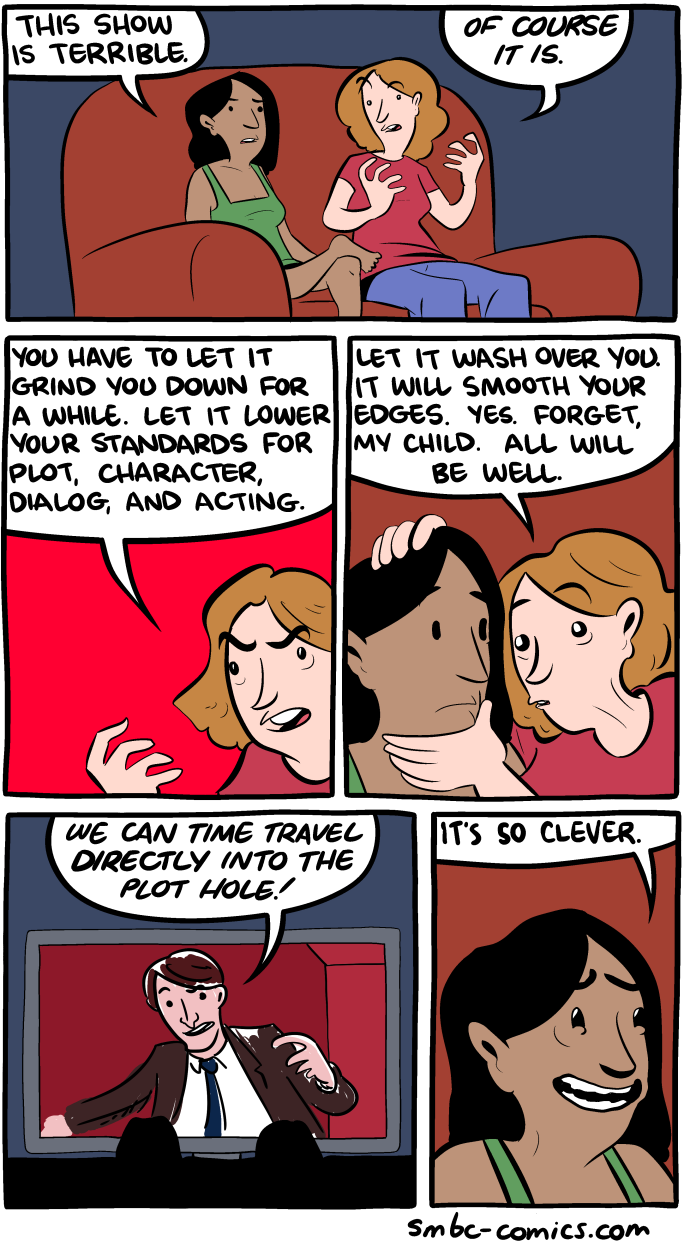
Certainly explains the popularity of several TV shows…
From SMBC Comics. Great stuff there.

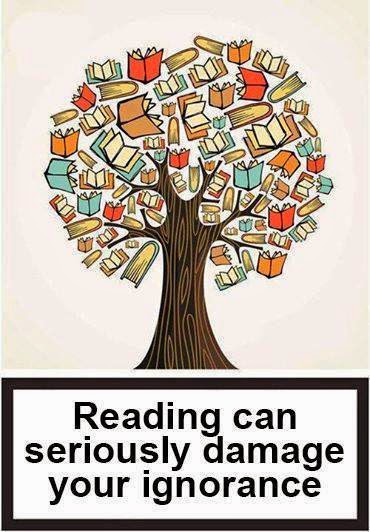
Of course, this presumes you read stuff written by people who aren’t just sharing their ignorance or deliberately lying to you…

Surrealism is often a really interesting art form. This example from Vladimir Kush is a great example of the form… Says the guy with a reading bias…
Anyway, marrying the imagery of a bird taking flight with something that inspires imagination is pretty cool.
What art do you find cool?
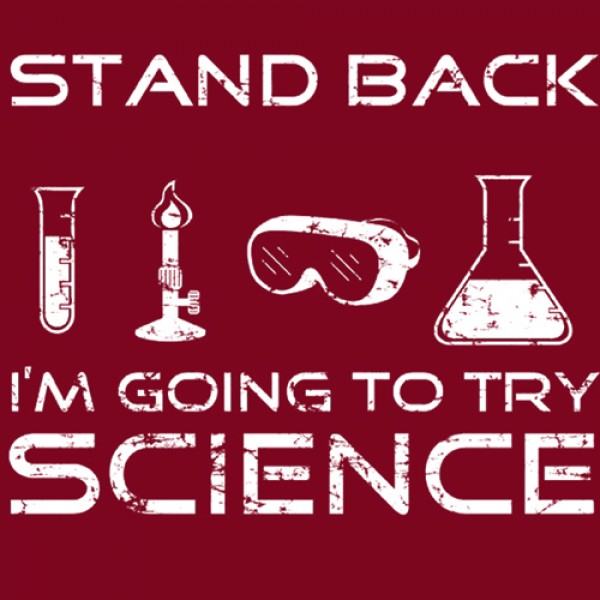
Have you ever heard a scientist talk and wondered what the hell they were saying? Did they use the word theory to mean something other than “I reckon”? Well, you’re not alone.
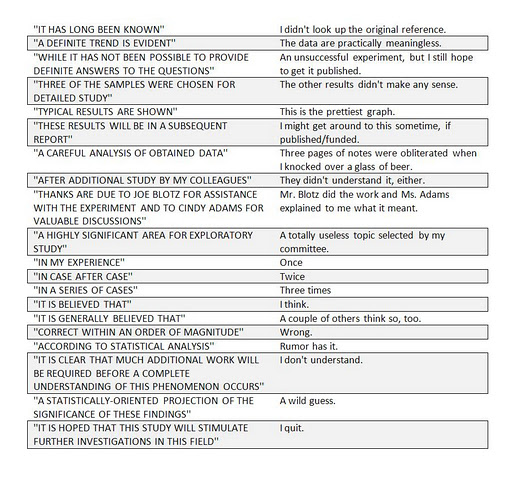
Language is very important to scientists. Without precise language there would be no way for them to write peer reviewed papers that could send an insomniac to sleep. Communicating science is all about letting everyone in on the data and knowledge that is being accumulated in the endless march forward into the unknown. But because scientists are marching into the unknown, they prefer to make their statements as vague and non-committal as possible. This way, if they are correct they have cautiously alluded to the right answer, and if they are wrong they can pretend their statement was hinting at the correct answer all along.
In keeping with my previous explanations of music reviews and book reviews I have found a chart explaining science terms. This list has helped me, I hope it helps you too.
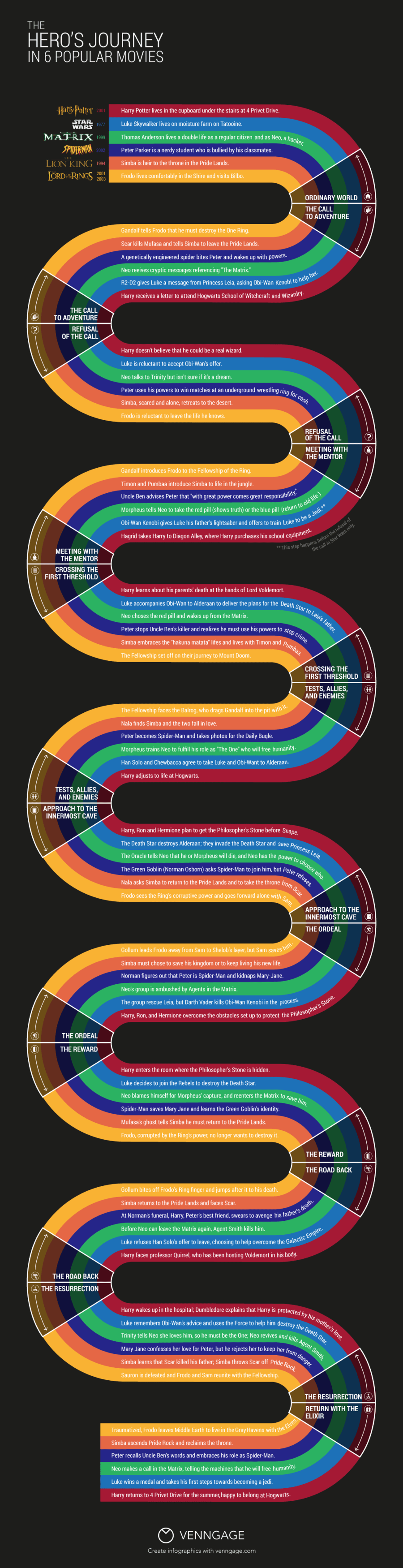
Ever thought that Harry Potter’s adventures shared a lot in common with Luke Skywalker’s? Ever thought that Simba and Neo were soul mates? Can you believe I just used the term soul mates?
The reason so many of the stories we know and love feel familiar is because of one of the most popular narrative structures writers like to use. The Hero’s Journey is explained below using Harry Potter, Star Wars, The Matrix, Spiderman, The Lion King, and The Lord of the Rings. Worth also seeing how this structure fits into the 6 Story Arcs.
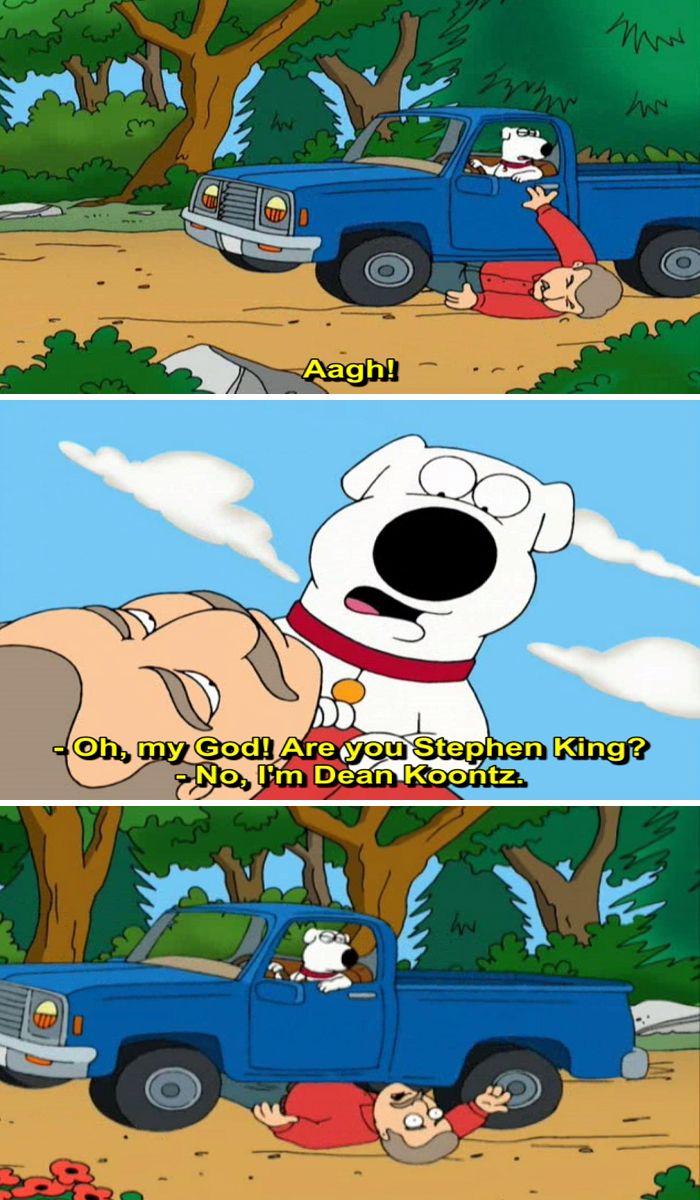
I love this bit from Family Guy. This isn’t the first time I’ve posted this pic. Last time I used it in a post musing why I hadn’t read more Dean Koontz novels.
Koontz acted as my archetypal author whom I haven’t read. We all have more books to read than we’ll ever have time to. So there will be some authors who we’ll gloss over or miss. I also made a point about not wasting time on bad books and mediocre authors. Being a nerd I used some math:
If we do waste time on bad books then the list of authors we’ll gloss over will be longer. We may miss out on something we really love just so we can trudge through something we don’t.
But the best part of posting the pic last time was an author friend sending the post to Dean Koontz. And I still haven’t read Odd Thomas…
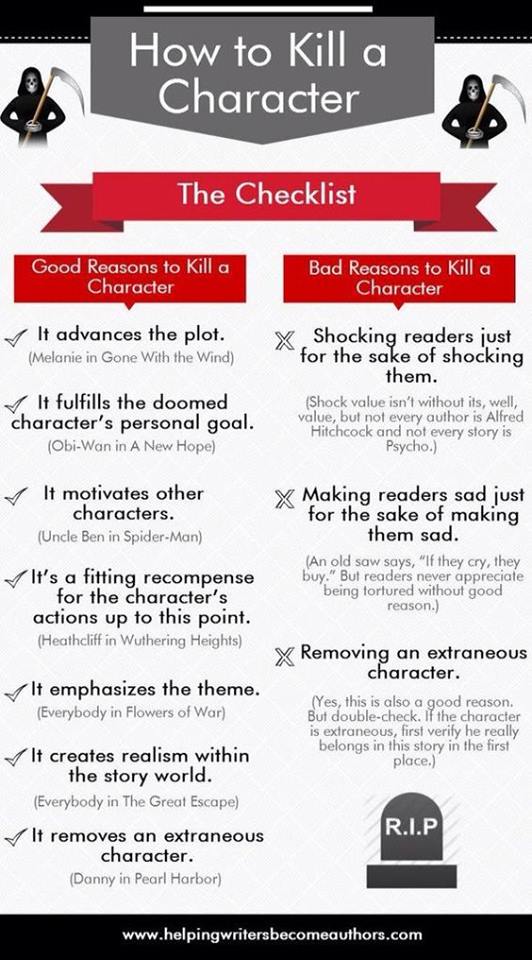
Another good reason to kill a character is to use their body to fill a plot hole. The bigger the plot hole, the more bodies you’re going to need.

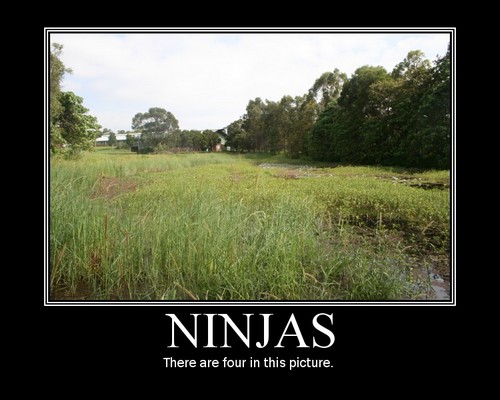




Let’s not have a picture for this one…



Did you realise the first Harry Potter novel was released 20 years ago? Did you feel really old just now?
Check out this really cool Infographic on the series, and revisit the differences between the books and the movies: Sorcerer’s Chamber of Azkaban, Goblet of Fire and Order of the Phoenix , Half-Blood Prince and Deathly Hallows.

Via Cartridge Save.
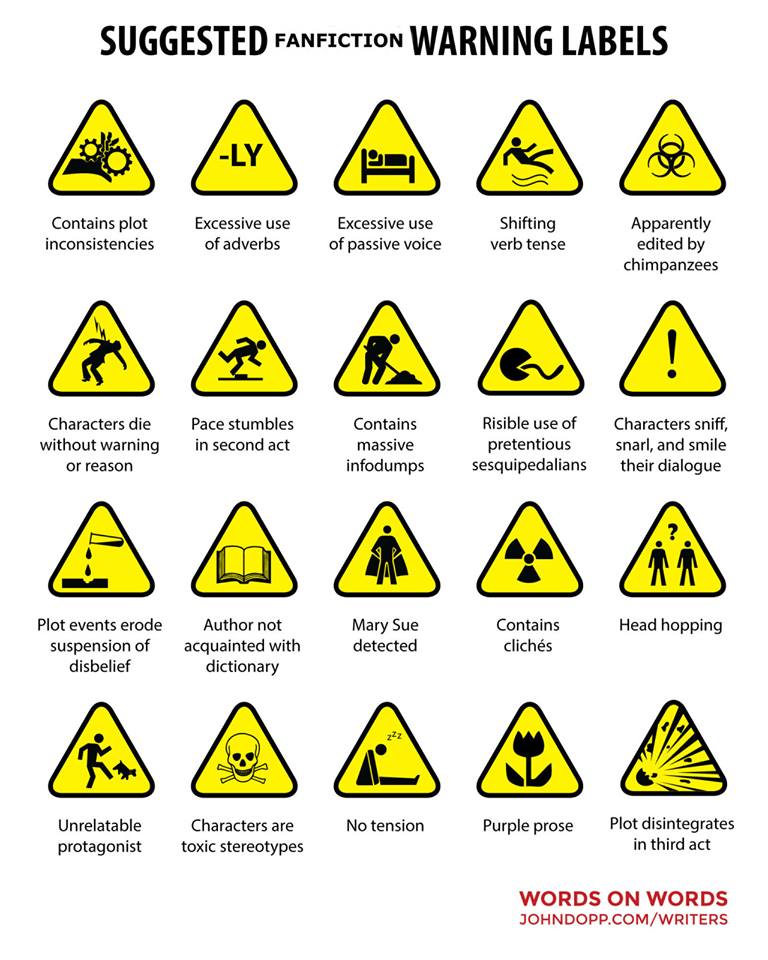
See also: Fan Fiction is Awesome.

 Tyson Adams