7 Tips on How to Research Your Novel

I’m just going to say it: I’m comfortable with the label of nerd.

More specifically, I’m a Nerdius scientifica.

Being a nerd is more accepted nowadays, what with our bulging brains and chiselled knowledge. And the reality is that us nerds have a lot to offer, like research skills.

Writing requires a lot of research and writers generally fall into two categories in this regard: those who need to learn how to research, and those who took up writing to justify those dodgy topics they’ve researched. This post will hopefully help the former. But if anyone does want to know how much slack rope you need to hang someone correctly from your homemade gallows, I have a spreadsheet calculator for you.

I stole am reblogging a post from Writer’s Digest with a few of my own comments.

Ernest Hemingway said writers should develop a built-in bullshit detector. I imagine one reason he said that is because readers have their own BS indicators. They can tell when we writers are winging it. We have to know well the worlds in which our characters act. Readers don’t have to believe the story really happened, but they need to believe it could have happened. So with that in mind, I offer a few thoughts on research for fiction.

I’d argue everyone should have a BS detector. [Insert topical political joke here] But the important point to note is that a writer can’t be an expert in all topics, yet readers are likely to come from a wide background. So if you haven’t done your research thoroughly, readers who are well versed in a field will notice, which can ruin the book for them.

1) You can’t do too much research.  In the military, we often say time spent gathering intelligence is seldom wasted. The same concept applies in writing a novel. You never know what little detail will give a scene the ring of authenticity. In a college creative writing class, I wrote about how a scuba diver got cut underwater, and in the filtered light at depth, the blood appeared green. Though the professor didn’t think much of that particular story, he did concede he liked that detail. In fact, he said, “The author must have seen that.” And indeed, I had.

This point is both true and false.

Gee, thanks Tyson.

You’re welcome!

Okay, what I mean is that while you need to have done enough research to be able to include those little details that sell the story, at some point, you have to stop researching and write the damn thing. Maybe you want to be able to accurately describe what arterial spray looks like for your serial killer novel, but you can only research that for so long before you need to put down the knife and pick up your pen.
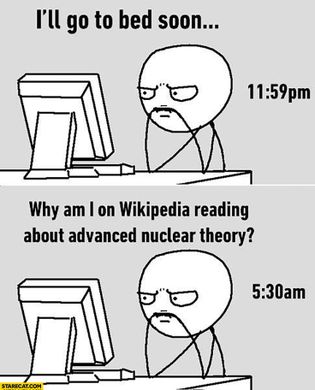
https3a2f2fstarecat.com2fcontent2fwp-content2fuploads2fat-midnight-ill-go-to-bed-soon-at-5-30-am-why-am-i-on-wikipedia-reading-about-advanced-nuclear-theory

2) You can write what you know. We’ve all heard it before. Experience may be a cruel teacher, but it is a thorough one, and experience is the purest form of research. Things you’ve done in life can inform your writing in surprising ways, even if your characters aren’t doing those same things. When I watch the old Star Trek shows, I can tell the creator of those stories knew something about how a military flight crew works together. He understood the dynamics of a chain of command, how a commander learns the strengths and weaknesses of his team, how those team members communicate and work together. Turns out that Gene Roddenberry flew B-17 bombers in World War II. Roddenberry, of course, never flew a starship. But he knew from experience how the crew of a starship might interact.

Soooo, about that serial killer novel… Pure research. No experience. I promise.

Writing what you know is one of those bits of advice authors receive that you can honestly shrug your shoulders at. It’s not untrue. If you’ve been involved in something as a professional you will know it better than anyone trying to research it. But it can also be severely limiting.

Take the example used. If Star Trek understands how military flight crews operated, why did it insist on sending the most important crew members on the dangerous away missions? Aside from the chance to shag the aliens, obviously.

I think the more helpful advice is seeking help from people who know. Go to forums, discussion groups, ask friends, put out the call on social media, cultivate contacts. The internet makes us closer than ever to experts, why limit yourself to what you’ve done?

3) You can do research on the cheap. If you can’t visit an exotic location, you can pick up the phone and ask questions. The worst that can happen is somebody thinks you’re crazy and they hang up. Then you just call somebody else. (Believe me; I used to be a reporter, and I’ve learned a lot by asking questions.) You can visit a museum, or a museum’s website. Develop an eye for small details.

While you CAN do research on the cheap you COULD still use your writing as an excuse for that holiday to an exotic location.* For your art. And tax write-offs.

The internet is the cheapest and best research tool ever invented. Things like Google Street View, location webpages, travel blogs, and that person you went to high school with who fancies themselves as an Influencer’s Instagram feed, all offer information from your desk. No travel required. The same applies to any other aspect of research.

But be careful. Your Influencer friend might be distorting the truth for clicks. That travel blog may have been paid content from a tourism company. And Google Street View may be tracking your data to target you with ads.** Lateral reading and critical research are key.

4) You can find anything on YouTube. Seriously. But you have to know your topic well enough to know how to search for it. In The Renegades, I have a character whose lungs collapse from a bullet wound. I wanted to find out how a medic would treat that condition. Sure enough, someone had posted on YouTube a video with detailed instructions on how to perform a needle decompression.

You can find anything on YouTube. If you want to know about how the Earth is actually hollow and filled with shape-shifting lizards who have roles in every government and are most celebrities, then YouTube has you covered. If you want to know how vaccines are a secret government conspiracy by the lizard people to depopulate the planet and make the survivors docile sheep ready for the coming invasion, then YouTube has you covered. If you want to know how white people are being replaced as part of a globalist agenda and the only way to stop it is by becoming a Nazi, then YouTube has you covered.***

Again, lateral reading and critical research are key.

5) You can find things anywhere. You’re a writer, so keep pen and paper within reach during all waking hours. You might get an idea from a news story on television, a song on the radio, or a Tweet from a friend. About a year ago, I was driving along on a warm day, listening to the radio with the windows down. An oldies station played “Wind of Change,” the Scorpions’ 1990 ballad hailing the end of the Cold War. I hadn’t heard that song in a long time, and I cranked it up loud. The power chords brought back memories of flying relief missions to Bosnia while based at a disused Cold War alert facility in Germany. Not really a pleasant memory–for Bosnia, the end of the Cold War brought something worse. But that flashback from early in my military career inspired a scene in the novel I’m working on now.

While I agree with this point, I think people get carried away with always having a pen and paper handy. A lot of the ideas you end up writing down are rubbish. The flight of fancy comes and goes. The things you write down should be the sticky things. That thing you wanted to look up, you’ll remember it if it was actually important.

6) You can use all of your senses. Find out what things taste like, smell like, feel like. Say, for example, you set your novel in Warsaw. Maybe you can’t afford to go to Warsaw, but you can go to a Polish restaurant. (See item number three above, about doing research on the cheap.) As you write one of your scenes, include a line about the texture and flavor of something your character eats. You’ve just made your writing more alive and authentic.

This is good advice, particularly with internet research. It is easy to look up photos of a location. Harder to look up what it smells like, or if the road is uneven underfoot, or if arterial blood feels warm on your skin. We’ve got roughly 20 senses, so your research (and writing descriptions) should reflect that.

7) You can leave some things out. If you do thorough research, you’ll find more material than you need, and no reader likes a data dump. In my own writing, I could bore you to death with the details of aircraft and weapons. But a very good creative writing professor once advised me to let the reader “overhear” the tech talk. Say, if my character punches off a HARM missile, that might sound authentic and pretty scary. But scary would turn to dull if I stopped the action to tell you that HARM stands for High-Speed Anti-Radiation Missile, which homes in on anti-aircraft missile radars. Who cares? The damn thing goes boom.

This is the most important point about research, even in science. Most of it doesn’t end up on the page. Nobody cares about the lab experiments that failed, they want to know about the results from the one that worked. Nobody wants to read your detailed and accurate Linux commands the hacker types in, sudo leave that stuff out.

I think the point of research is to better understand the universe we live in. For a writer, research will help to create more believable universes for their stories. It isn’t easy to tell the difference between good and bad information. It isn’t easy to know when to stop. And it is hardest of all to not brag about how big your research is.

* Ever notice that novels by successful authors are never set in boring locations? The characters are never having the exciting chase scene through the streets of Canberra, Adelaide, or Perth Australia, they are in Paris, or New York, or London. Funny how those places are regarded as top destinations for travel.

** Maybe? Try definitely. I said may because you can run tracking and ad blockers and deny cookies. Good advice to stop some… interesting ads coming your way.

*** I’m not even covering the worst and most obviously wrong conspiracies with these examples. Not even close. Two of those three examples are getting people killed.
Book vs Movie: The Mask – What’s the Difference?

In this month’s What’s the Difference? the CineFix team delve into the crazy world of The Mask.

The Mask turns 25 this month AND the comics are coming back! So it’s time to look back at Jim Carrey’s half cartoon turn as the big green head. Based on a shockingly violent graphic novel, how did The Mask go from a splatterfest to slapstick? It’s time to ask What’s the Difference!?

When I was a young lad, The Mask was one of the most quotable movies that weren’t R-Rated Pulp Fiction. It was Jim Carey at his zaniest, a digitally enhanced Ace Ventura. It was funny… for teens and some adults.

I’m not sure if the movie has dated poorly, or if it became too popular and thus annoying – the ever problematic oversaturation phenomenon – or if we’ve had enough of the zany Jim Carey, or if I’m just an old man shouting at clouds now. But there was a time when this movie was cool and funny. It was Looney Tunes for teenagers who grew up watching reruns of Bugs and Daffy.

The comic… I remember trying really hard to read it. But after having watched the movie first, the differences were too much. The dark and violent humour of the comic was asking too much of a younger me who was expecting zany Bugs Bunny style slapstick.

This video did leave me with the question: what if they’d asked Sam Raimi to direct The Mask with Bruce Campbell in the lead? You could have the horror styled darkness and all the humour, just like Army of Darkness. Not too late!

Star-Trek-geek-cap

Book vs Movie: The Little Mermaid – What’s the Difference?

2230-medium

This month’s What’s the Difference? from Cinefix looks at the classic children’s story that became a(nother) Disney movie.

My memory of The Little Mermaid story is what you would call hazy. The Hans Christian Andersen tales, from my recollection of them, were a lot darker and nastier than would generally be acceptable for young children these days.

The movie is much easier for me to recall, as my daughter has recently taken a liking to the tale. Except for the bits with Ursula in them, which are far too scary. Fortunately, I’m usually on hand for hugs during those scenes.

The thing that has struck me the most about The Little Mermaid, and Disney kids films in general, is how much they have progressed in the last 30 years as compared to the 30 years prior. Several of the Disney films released in the 70s and 80s (The Little Mermaid, The Fox and the Hound, The Aristocats, Winnie the Pooh) bear a lot of similarities to earlier films (101 Dalmatians, Lady and the Tramp, Bambi*). The leap that was made after Toy Story is profound, such that newer films are just in a whole other league (Tangled, Frozen, Zootopia).

Almost as big of a leap as children’s book have made since Hans Christian Anderson was writing.

The source material behind Disney’s animated classic, Hans Christian Andersen’s The Little Mermaid, is a surprisingly metal fairy tale. Let’s take a look at all the ways the filmmakers changed the source material, talking crabs and all! It’s time to ask What’s the Difference?

* But not Dumbo. That film has aged badly. There is a lot to cringe at in Dumbo and the film itself climaxes with a very short scene, so it feels a little underdone.

The Beauty and Anguish of Les Misérables!

maxresdefault

It’s Lit! returns to discuss Les Miserables.

Yeah, I haven’t read it, nor seen the musical nor the musical movie. A title that literally means the miserable and a narrative to match isn’t really my cup of tea. The issues discussed in Les Mis were very real, if romanticised somewhat, and still bear some relevance to the modern day. I discussed one such issue in a previous It’s Lit post.

Maybe I’ll read it one day. Meanwhile, quick overviews will have to suffice.

Victor Hugo’s Les Miserables is one of history’s most famous novels and one of the longest-running musicals in Broadway history. On this special episode of It’s Lit! we explore how Les Miserable became both a national and revolutionary anthem, and so publicly adored that all 1,900 pages never went out of print.

Book vs Movie: 10 Things I Hate About You – What’s the Difference?

maxresdefault

Do you love Shakespeare and 90s teen romantic comedies? If the answer is no… Well, you’ll probably hate this month’s What’s the Difference? from Cinefix on 10 Things I Hate About You. This is probably not the blog post for you. Maybe read one of my other posts.

And who hates Shakespeare anyway?

Is it just because they forced you to read his plays in school?

Because his stuff is worth revisiting.

I have to confess that I’m not a fan of the original Shakespeare play, Taming of the Shrew. For me, it has not dated well. But I am a firm fan of the adaptation, 10 Things I Hate About You.

For me, this is where adaptations shine. A contemporary adaptation of older works can not only offer novel takes on the original story, but they can also cut the dated material. I’m not sure too many contemporary romance stories would appeal to an audience if the women were essentially treated as property.

Another thing I enjoyed about this adaptation was seeing Heath Ledger in his first major film role since seeing him in his first play – Peter Pan – several years earlier. It was exciting to see him make that successful career transition.

Vale Heath.

Book vs Movie: BlacKkKlansman – What’s the Difference?

e84ec122-a6f3-49df-ae2e-8c13cc637ec8

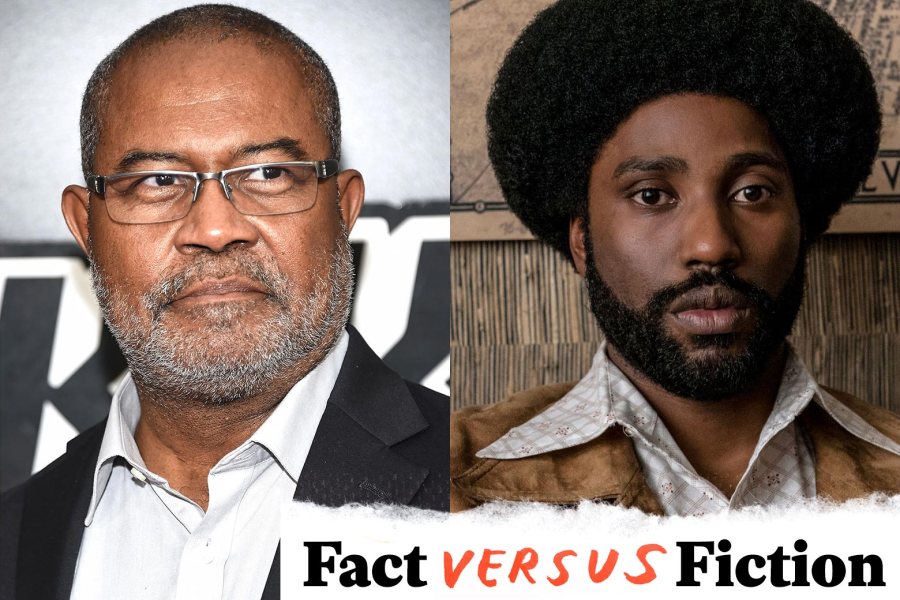
This month’s What’s the Difference? from Cinefix covers the amazing Spike Lee film based on the autobiography of the same name: BlacKkKlansman.

I have been reading quite a bit about fascism and racism lately. As someone who got lucky to be living in privileged skin, these are issues I feel we all need to be more aware of and actively standing against.

Instead of my normal comment on the film or book, I suggest watching the Vice coverage of the Charlottesville rally, Philosophy Tube’s videos on racism, Antifa and fascism, and reading the book on how to oppose fascism.

Death, Personified

maxresdefault-3

Finally, an episode of It’s Lit about everyone’s favourite Terry Pratchett character. Oh, and a few other versions of it from lesser authors.

Lindsay Ellis fans will have noticed similarities between this video and an earlier Loose Cannon video she did on the same topic. Worth watching both and noting what having a production budget allows for.

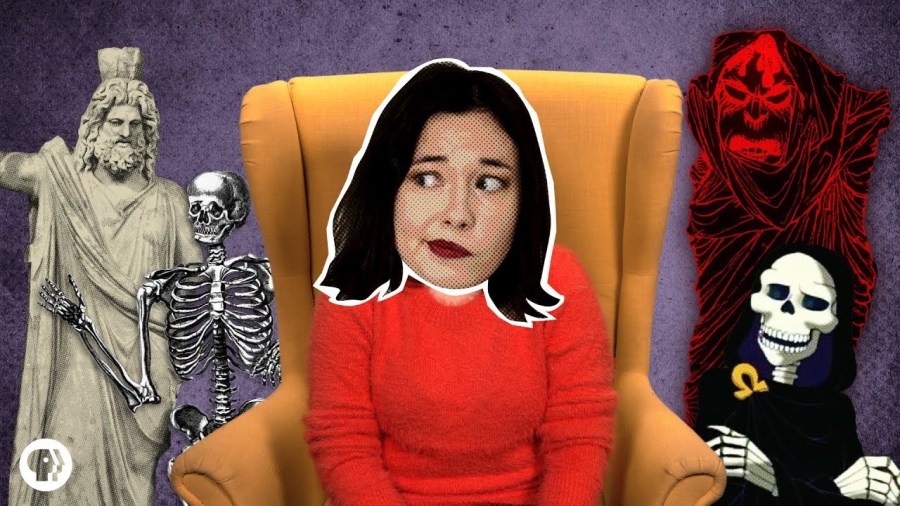
Death as a character reveals how we process one of life’s greatest mysteries, and there’s a lot more breadth to how the grim reaper is depicted than you might think.

It’s Lit! is part of THE GREAT AMERICAN READ, an eight-part series that explores and celebrates the power of reading. Hosted by Lindsay Ellis.

Five ways to boost Australian writers’ earnings

File 20190130 108351 fgxk1c.jpg?ixlib=rb 1.1

By changing our approach to author rights, we can help writers earn more.
shutterstock

Rebecca Giblin, Monash University and Joshua Yuvaraj, Monash University

Who makes the money in publishing? Nobody. This often repeated dark joke highlights a serious issue. The most recent figures show that Australian authors earn just $12,900 a year from writing work (the median, at $2,800, was even worse). Indeed, authors can gross less than $5,000 for Miles Franklin-nominated titles that took two or more years to write.

Fixing this isn’t as simple as reaching more deeply into publisher pockets, because most of those are empty too. While the major international houses are thriving (Simon & Schuster and Penguin Random House recently reported 16% profits), publishing Australian stories can be financially perilous.

In independent publishing, 10% of the book sale goes to the author, perhaps another 10% to the printer, and up to a whopping 70% for distribution. What’s left has to pay the publisher, editor, marketers, admin staff and keep the lights on.

But we can improve our approach to author rights. Here are five lessons we can learn from elsewhere to help Australian writers earn more money.


Read more:
Scrounging for money: how the world’s great writers made a living


#1: Give authors stronger out of print rights

Traditionally, contractual “out of print” clauses have let authors reclaim their rights when a print run has sold out and the publisher doesn’t want to invest in another. But in our recent analysis of almost 150 contracts in the Australian Society of Authors archive, we found 85% of contracts with these clauses allowed authors to reclaim their rights only when the book was “not available in any edition”.

These days, books can be kept available (at least digitally or via print-on-demand) forever – but that doesn’t mean their publishers are still actively promoting them.

A better approach is to allow authors to reclaim their rights towards the end of a work’s commercial life, determined with reference to objective criteria like the number of copies sold or royalties earned in the previous year. The Australian Society of Authors recommends authors only sign contracts that have this meaningful kind of out-of-print clause – but many publishers still try to get authors to sign up to unacceptable terms.


Read more:
How to read the Australian book industry in a time of change


A growing number of countries (including France, Romania, Slovenia, Spain, Macedonia and Brazil mandate author rights based on objective criteria. The French law is an interesting model. There, authors can get their rights back if a book has been published for at least four years, and they haven’t been credited royalties for at least two. This opens up new possibilities for the author to license it to another publisher, or even sell it directly to libraries or consumers.

Rebecca Giblin on the problems with publishing contracts and the case for new author rights.

#2: ‘Use it or lose it’: return author rights when they’re not being used

Publishers take very broad rights to most books: in our recent archival analysis we found 83% took worldwide rights, and 43% took rights in all languages. It’s easy to take rights – but if publishers do so, they should be obliged to either use them or give them back.

To that end we can learn from the “use it or lose it” laws that bind publishers in some parts of Europe. In Spain and Lithuania, for example, authors can get their rights back for languages that are still unexploited after five years.

#3: Introduce a ‘bestseller’ clause to contracts

Of course, it’s not always the case that there’s no money in publishing: sometimes a title that was expected to sell 5,000 copies sells 5,000,000. That changes the economics enormously: but in many cases, the contract only provides the same old 10% revenue for the author. For works that achieve unexpected success, we can learn from Germany and the Netherlands (and the proposed new EU copyright law). They have “bestseller” clauses that give authors the right to share fairly in unexpected windfalls arising from their work.

#4: Legally enshrine the right to fair payment

Even where there’s not much money to be made, the author should still receive a fair share. Again, Germany and the Netherlands lead the way on this. There, authors are entitled to “fair” or “equitable” payment for their work – and can enforce those rights if their pay is too low.

These laws don’t set a dollar amount, since what is “fair” depends on all the circumstances. However, such laws at least provide a minimum floor. If the contracted amount is unfair or inequitable, authors have a legal right to redress.

#5: Put time limits on transfers

In Australia, copyright lasts for the life of the author, and then another 70 years after that. Publishers almost always take rights for that full term – only 3% of the contracts between publishers and authors we looked at took less. But publishers don’t need that long to recoup their investments. In the US, authors can reclaim their rights from intermediaries 35 years after they licensed or transferred them.

In Canada, copyrights transfer automatically to heirs 25 years after an author dies. We used to have the same law in Australia, but it was abolished for spurious reasons about 50 years ago. If we reintroduced a similar time limit on transfers, it would open up new opportunities for authors and their heirs (for example, to license or sell to a different publisher, libraries or direct to the public).

It’s true that there’s often not much money in publishing. But by changing our approach to author rights, we can help writers earn more and make Australian books more freely available.The Conversation

Rebecca Giblin, ARC Future Fellow; Associate Professor, Monash University and Joshua Yuvaraj, PhD Candidate, Monash University

This article is republished from The Conversation under a Creative Commons license. Read the original article.

Food & Fiction: Memorable Meals in Literature

http3A2F2Faz616578.vo_.msecnd.net2Ffiles2F20162F022F182F6359142862882820262142940750___FictionalFood-18x24s

This month’s It’s Lit! covers everyone’s favourite topic: food.

If it isn’t your favourite topic, just give yourself 48 hours without it and see if that changes your mind.

I’ve always found food scenes in books to fall into two categories: needless exposition, or important showing (Oliver Twist is a great example of this). While the video discusses the latter, it is all too common that the former is what we read most.

While I was watching the video I was reminded of something I read last year. The discussion of bread in Victor Hugo’s Les Misérables, particularly around the hard bread that needed to be soaked, was something that Karl Marx wrote about in Das Kapital. The hard bread was actually due to deliberate contamination to make cheap bread that workers could afford, knowing full well that it was bad for them to eat, and the employers knowing full well that the workers couldn’t afford to eat properly (keeping them hungry so they would work).

A great way to remind us future people of how society used to run.*

Food varies wildly from place to place and from culture to culture; since humans are such sensory creatures, using words to evoke the experience of eating is an excellent way to bring a text to life.

It’s Lit! is part of THE GREAT AMERICAN READ, an eight-part series that explores and celebrates the power of reading. Hosted by Lindsay Ellis.

*Let’s be honest, society would quite happily go back to those conditions, and in some areas of the world, it still is operating in that way.

Death of the Author

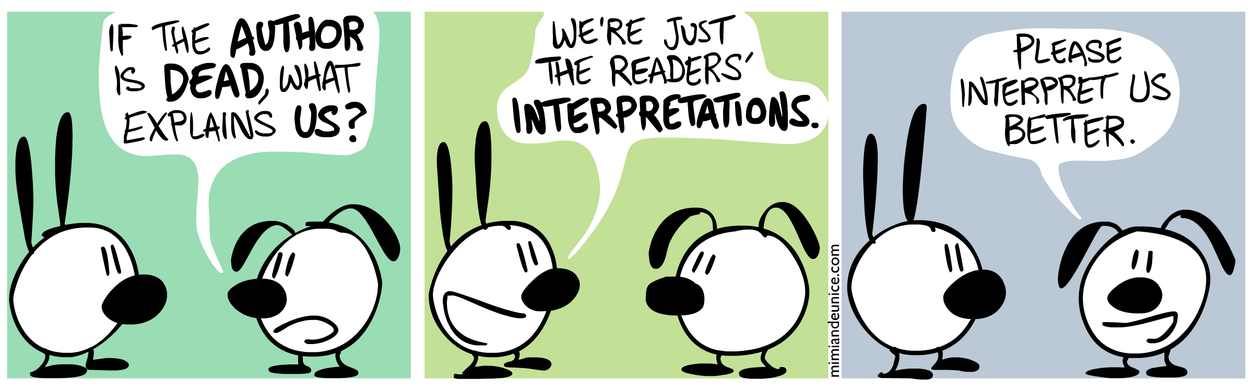
The birth of the reader must be at the cost of the death of the author… or so says Roland Bathes in his essay Death of the Author. Are we talking about literally killing authors? No, this is figurative (like most uses of literally). Can Death of the Author include killing the author? Sure, but get a good lawyer first.

Let’s let Lindsay Ellis (and John Green) explain:

My take on Death of the Author is somewhat complicated. I think there is relevant information that the author has that doesn’t make it into the story (think Elvish languages from Tolkien*), but I also think that quite often if it isn’t in the story it doesn’t really exist. I think that stories are really up to the readers to interpret, as viewpoints and interpretations will change over time**, but that doesn’t mean readers always interpret correctly.

This is a hedged way of saying that Death of the Author is probably too simple a way of thinking about how stories should be interpreted. At least, that’s my interpretation of it.

http3A2F2Fninapaley.com2Fmimiandeunice2Fwp-content2Fuploads2F20102F092FME_132_AuthorIsDead
Source: Mimi and Eunice

*Let’s not get into how “relevant” I think those languages are, or a lot of that world-building from authors in general is.

**You may remember book reviews here where I’ve discussed how older books haven’t aged well due to changing societal standards. Sexism and racism are obvious changes that have happened in the last 50 years which make formerly acceptable, even progressive, moments in a story seem backward and unacceptable now.

Another thing that can occur is changes to society changes interpretations. E.g. The Baby It’s Cold Outside controversy can be summed up as an old song made references to things that we are no longer familiar with, so our interpretation changes. This makes Death of the Author a truly bad thing for any artwork that is “consumed” outside of the social and temporal setting it was made within.

Update: Good article in Uncanny that captures some of my thoughts on Death of the Author.

Book vs Movie: Hellboy – What’s the Difference?

maxresdefault

This month’s instalment of What’s the difference? from CineFix looks at Mike Mignola’s graphic novel and Guillermo Del Toro’s Hellboy?

In the interest of full disclosure, I’m not a fan of Hellboy: movie or comic. Yes, I know, how dare you not love Del Toro’s amazing artistic vision! I’ve watched both Hellboy movies multiple times and have not loved them (and despite liking the Blade trilogy, Blade 2 isn’t my favourite – but Pan’s Labyrinth was fantastic). The comics I probably didn’t give them a fair chance, as I tried reading one omnibus after not enjoying the first film.

Anyway, the point I wanted to highlight from the video was something I think too many adaptations fail to do. When you are talking about a series of comics or books, there is often some prevailing themes, motifs, and imagery to them that may be less noticeable in any one edition, but taken as a whole it is important.

Because movies are often only drawing on one book at a time, or drawing on one run (or story arc) of a comic, important aspects may be lost. An example would be the Tim Burton or the Adam West takes on Batman versus the Christopher Nolan version. The latter drew upon more of the Batman comics than the earlier adaptations (not that either of those adaptations was bad*).

So while this doesn’t necessarily result in a direct adaptation, it does result in an adaptation that is faithful to the source material in the elements that matter.

*I’m pretending that the Joel Schumacher adaptations don’t exist. Akiva Goldsman is probably more to blame, given he has a long track record of making everything he is attached to that bit worse.

Who Can You Trust? Unreliable Narrators

8n4d0kg-asset-mezzanine-16x9-almFggd.jpg.crop_.480x270

The first rule of this month’s It’s Lit! is that you don’t talk about the narrator.

Unreliable narrators are an interesting topic. To some extent, I regard all narrators as flawed in some way. Unless you have omniscient narration you always have a limited viewpoint, and it could be argued that even with omniscient you still aren’t pulling away from the main narrative so it is limited as well. So I would argue that unreliable narrators are more a case of how unreliable are all narrators.

Who is the most powerful character in fiction? Villains may doom the world, heroes may save it, but no one has more control over the plot than the narrator – expositing the who, what, where, when and how directly into the reader’s mind. But how can you tell that the person telling you the story is telling you the whole story?

It’s Lit! is part of THE GREAT AMERICAN READ, a eight-part series that explores and celebrates the power of reading.

Hosted by Lindsay Ellis

Why it is (almost) impossible to teach creativity

File 20181119 44274 v4jiya.jpg?ixlib=rb 1.1
Relishing the independence of the mind is the basis for naturally imaginative activity.
Shutterstock

Robert Nelson, Monash University

Industry and educators are agreed: the world needs creativity. There is interest in the field, lots of urging but remarkably little action. Everyone is a bit scared of what to do next. On the question of creativity and imagination, they are mostly uncreative and unimaginative.

Some of the paralysis arises because you can’t easily define creativity. It resists the measurement and strategies that we’re familiar with. Indisposed by the simultaneous vagueness and sublimity of creative processes, educators seek artificial ways to channel imaginative activity into templates that end up compromising the very creativity they celebrate.

For example, creativity is often reduced to problem-solving. To be sure, you need imagination to solve many curly problems and creativity is arguably part of what it takes. But problem-solving is far from the whole of creativity; and if you focus creative thinking uniquely on problems and solutions, you encourage a mechanistic view – all about scoping and then pinpointing the best fit among options.

It might be satisfying to create models for such analytical processes but they distort the natural, wayward flux of imaginative thinking. Often, it is not about solving a problem but seeing a problem that no one else has identified. Often, the point of departure is a personal wish for something to be true or worth arguing or capable of making a poetic splash, whereupon the mind goes into imaginative overdrive to develop a robust theory that has never been proposed before.

For teaching purposes, problems are an anxious place to cultivate creativity. If you think of anyone coming up with an idea — a new song, a witty way of denouncing a politician, a dance step, a joke — it isn’t necessarily about a problem but rather a blissful opportunity for the mind to exercise its autonomy, that magical power to concatenate images freely and to see within them a bristling expression of something intelligent.

New ideas are more about a blissful opportunity for the mind to exercise autonomy.
shutterstock

That’s the motive behind what scholars now call “Big C Creativity”: i.e. your Bach or Darwin or Freud who comes up with a major original contribution to culture or science. But the same is true of everyday “small C creativity” that isn’t specifically problem-based.


Read more:
Creativity is a human quality that exists in every single one of us


Relishing the independence of the mind is the basis for naturally imaginative activity, like humour, repartee, a gestural impulse or theatrical intuition, a satire that extrapolates someone’s behaviour or produces a poignant character insight.

A dull taming

Our way of democratising creativity is not to see it in inherently imaginative spontaneity but to identify it with instrumental strategising. We tame creativity by making it dull. Our way of honing the faculty is by making it goal-oriented and compliant to a purpose that can be managed and assessed.

Alas, when we make creativity artificially responsible to a goal, we collapse it with prudent decision-making, whereupon it no longer transcends familiar frameworks toward an unknown fertility.

We pin creativity to logical intelligence as opposed to fantasy, that somewhat messy generation of figments out of whose chaos the mind can see a brilliant rhyme, a metaphor, a hilarious skip or roll of the shoulders, an outrageous pun, a thought about why peacocks have such a long tail, a reason why bread goes stale or an astonishing pattern in numbers arising from a formula.

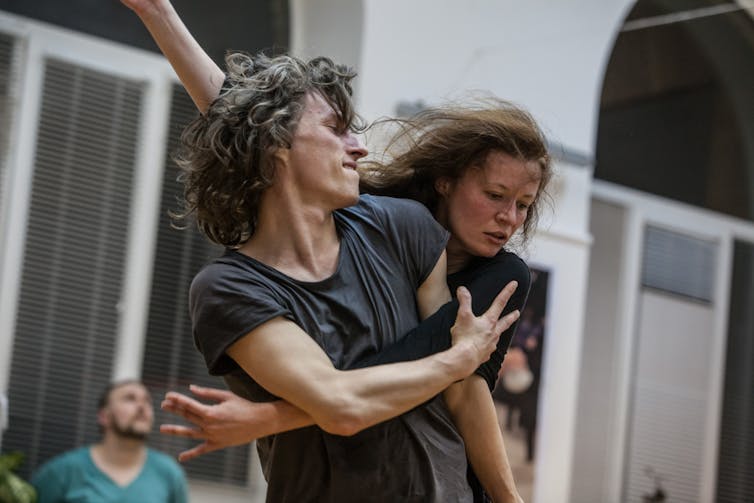
We pin creativity to logical intelligence as opposed to fantasy.
Shutterstock

Because creativity, in essence, is somewhat irresponsible, it isn’t easy to locate in a syllabus and impossible to teach in a culture of learning outcomes. Learning outcomes are statements of what the student will gain from the subject or unit that you’re teaching. Internationally and across the tertiary system, they take the form of: “On successful completion of this subject, you will be able to …” Everything that is taught should then support the outcomes and all assessment should allow the students to demonstrate that they have met them.

After a lengthy historical study, I have concluded that our contemporary education systematically trashes creativity and unwittingly punishes students for exercising their imagination. The structural basis for this passive hostility to the imagination is the grid of learning outcomes in alignment with delivery and assessment.

It might always be impossible to teach creativity but the least we can do for our students is make education a safe place for imagination. Our academies are a long way from that haven and I see little encouraging in the apologias for creativity that the literature now spawns.

My contention is that learning outcomes are only good for uncreative study. For education to cultivate creativity and imagination, we need to stop asking students anxiously to follow demonstrable proofs of learning for which imagination is a liability.
The Conversation

Robert Nelson, Associate Director Student Experience, Monash University

This article is republished from The Conversation under a Creative Commons license. Read the original article.

How speculative fiction gained literary respectability

File 20181101 78447 11kbg3c.jpg?ixlib=rb 1.1

Biologists are gathering evidence of green algae (pictured here in Kuwait) becoming carbohydrate-rich but less nutritious, due to increased carbon dioxide levels. As science fiction becomes science fact, new forms of storytelling are emerging.
Raed Qutena

Rose Michael, RMIT University

I count myself lucky. Weird, I know, in this day and age when all around us the natural and political world is going to hell in a handbasket. But that, in fact, may be part of it.

Back when I started writing, realism had such a stranglehold on publishing that there was little room for speculative writers and readers. (I didn’t know that’s what I was until I read it in a reader’s report for my first novel. And even then I didn’t know what it was, until I realised that it was what I read, and had always been reading; what I wrote, and wanted to write.) Outside of the convention rooms, that is, which were packed with less-literary-leaning science-fiction and fantasy producers and consumers.

Realism was the rule, even for those writing non-realist stories, such as popular crime and commercial romance. Perhaps this dominance was because of a culture heavily influenced by an Anglo-Saxon heritage. Richard Lea has written in The Guardian of “non-fiction” as a construct of English literature, arguing other cultures do not distinguish so obsessively between stories on the basis of whether or not they are “real”.

China Miéville in 2010.
Pan MacMillan Australia/AAP

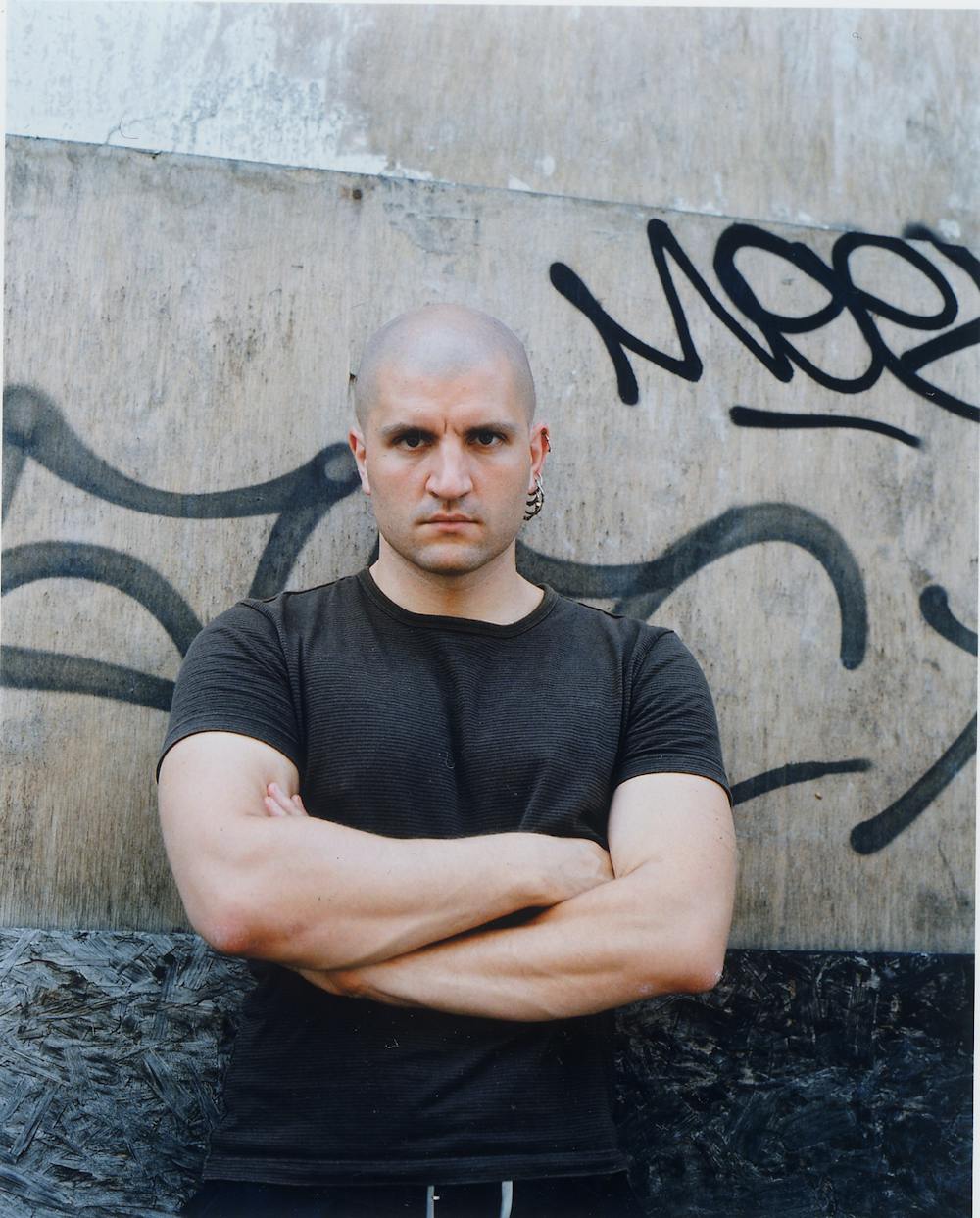
Regardless of the reason, this conception of literary fiction has been widely accepted – leading self-described “weird fiction” novelist China Miéville to identify the Booker as a genre prize for specifically realist literary fiction; a category he calls “litfic”. The best writers Australia is famous for producing aren’t only a product of this environment, but also role models who perpetuate it: Tim Winton and Helen Garner write similarly realistically, albeit generally fiction for one and non-fiction for the other.

Today, realism remains the most popular literary mode. Our education system trains us to appreciate literatures of verisimilitude; or, rather, literature we identify as “real”, charting interior landscapes and emotional journeys that generally represent a quite particular version of middle-class life. It’s one that may not have much in common these days with many people’s experiences – middle-class, Anglo or otherwise – or even our exterior world(s).

Like other kinds of biases, realism has been normalised, but there is now a growing recognition – a re-evaluation – of different kinds of “un-real” storytelling: “speculative” fiction, so-called for its obviously invented and inventive aspects.

Feminist science-fiction writer Ursula K. Le Guin has described this diversification as:

a much larger collective conviction about who’s entitled to tell stories, what stories are worth telling, and who among the storytellers gets taken seriously … not only in terms of race and gender, but in terms of what has long been labelled “genre” fiction.

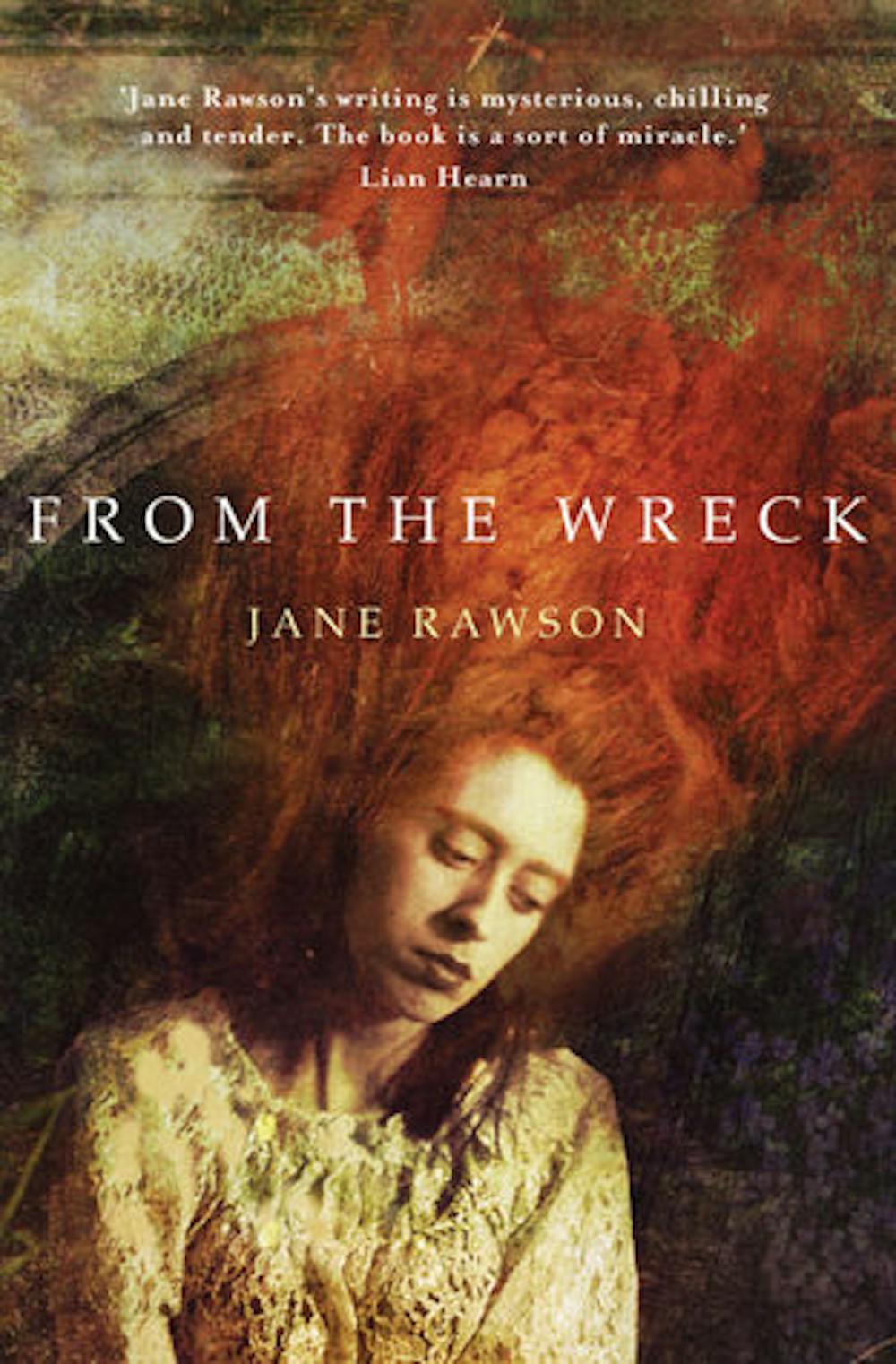
Closer to home, author Jane Rawson – who has written short stories and novels and co-authored a non-fiction handbook on “surviving” climate change – has described the stranglehold realistic writing has on Australian stories in an article for Overland, yet her own work evidences a new appreciation for alternative, novel modes.

Rawson’s latest book, From the Wreck, intertwines the story of her ancestor George Hills, who was shipwrecked off the coast of South Australia and survived eight days at sea, with the tale of a shape-shifting alien seeking refuge on Earth. In an Australian first, it was long-listed for the Miles Franklin, our most prestigious literary award, after having won the niche Aurealis Award for Speculative Fiction.

The Aurealis awards were established in 1995 by the publishers of Australia’s longest-running, small-press science-fiction and fantasy magazine of the same name. As well as recognising the achievements of Australian science-fiction, fantasy and horror writers, they were designed to distinguish between those speculative subgenres.

Last year, five of the six finalists for the Aurealis awards were published, promoted and shelved as literary fiction.

A broad church

Perhaps what counts as speculative fiction is also changing. The term is certainly not new; it was first used in an 1889 review, but came into more common usage after genre author Robert Heinlein’s 1947 essay On the Writing of Speculative Fiction.

Whereas science fiction generally engages with technological developments and their potential consequences, speculative fiction is a far broader, vaguer term. It can be seen as an offshoot of the popular science-fiction genre, or a more neutral umbrella category that simply describes all non-realist forms, including fantasy and fairytales – from the epic of Gilgamesh through to The Handmaid’s Tale.


Read more:
Guide to the classics: the Epic of Gilgamesh


While critic James Wood argues that “everything flows from the real … it is realism that allows surrealism, magic realism, fantasy, dream and so on”, others, such as author Doris Lessing, believe that everything flows from the fantastic; that all fiction has always been speculative. I am not as interested in which came first (or which has more cultural, or commercial, value) as I am in the fact that speculative fiction – “spec-fic” – seems to be gaining literary respectability.
(Next step, surely, mainstream popularity! After all, millions of moviegoers and television viewers have binge-watched the rise of fantastic forms, and audiences are well versed in unreal onscreen worlds.)

One reason for this new interest in an old but evolving form has been well articulated by author and critic James Bradley: climate change. Writers, and publishers, are embracing speculative fiction as an apt form to interrogate what it means to be human, to be humane, in the current climate – and to engage with ideas of posthumanism too.

These are the sorts of existential questions that have historically driven realist literature.

According to the World Wildlife Fund’s 2018 Living Planet Report, 60% of the world’s wildlife disappeared between 1970 and 2012. The year 2016 was declared the hottest on record, echoing the previous year and the one before that. People under 30 have never experienced a month in which average temperatures are below the long-term mean. Hurricanes register on the Richter scale and the Australian Bureau of Meteorology has added a colour to temperature maps as the heat keeps on climbing.

Science fiction? Science fact.

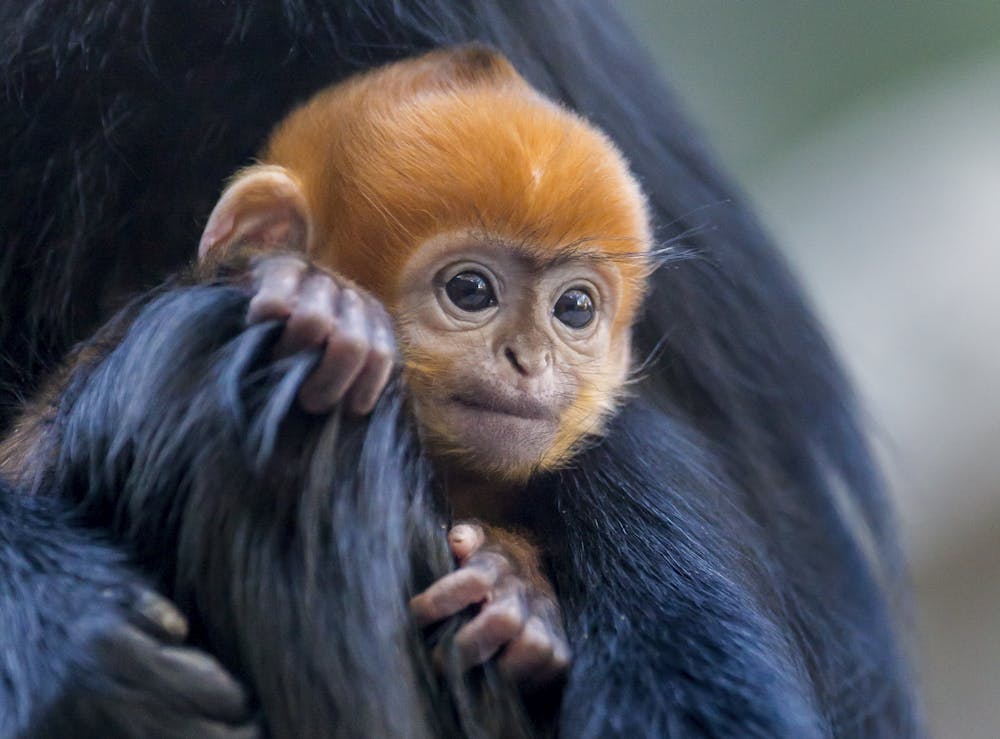
A baby Francois Langur at Taronga Zoo in June. François Langurs are a critically endangered species found in China and Vietnam.
AAP Image/Supplied by Taronga Zoo

What are we to do about this? Well, according to writer and geographer Samuel Miller-McDonald, “If you’re a writer, then you have to write about this.”

There is an infographic doing the rounds on Facebook that shows sister countries with comparable climates to (warming) regions of Australia. But it doesn’t reflect the real issue. Associate Professor Michael Kearney, Research Fellow in Biosciences at the University of Melbourne, points out that no-one anywhere in the world has any experience of our current CO2 levels. The changed environment is, he says – using a word that is particularly appropriate for my argument – a “novel” situation.

Elsewhere, biologists are gathering evidence of algae that carbon dioxide has made carbohydrate-rich but less nutritious. So the plankton that rely on them to survive might eat more and more and yet still starve.

Fiction focused on the inner lives of a limited cross-section of people no longer seems the best literary form to reflect, or reflect on, our brave new outer world – if, indeed, it ever was.

Whether it’s a creative response to catastrophic climate change, or an empathic, philosophical attempt to express cultural, economic, neurological – or even species – diversification, the recognition works such as Rawson’s are receiving surely shows we have left Modernism behind and entered the era of Anthropocene literature.

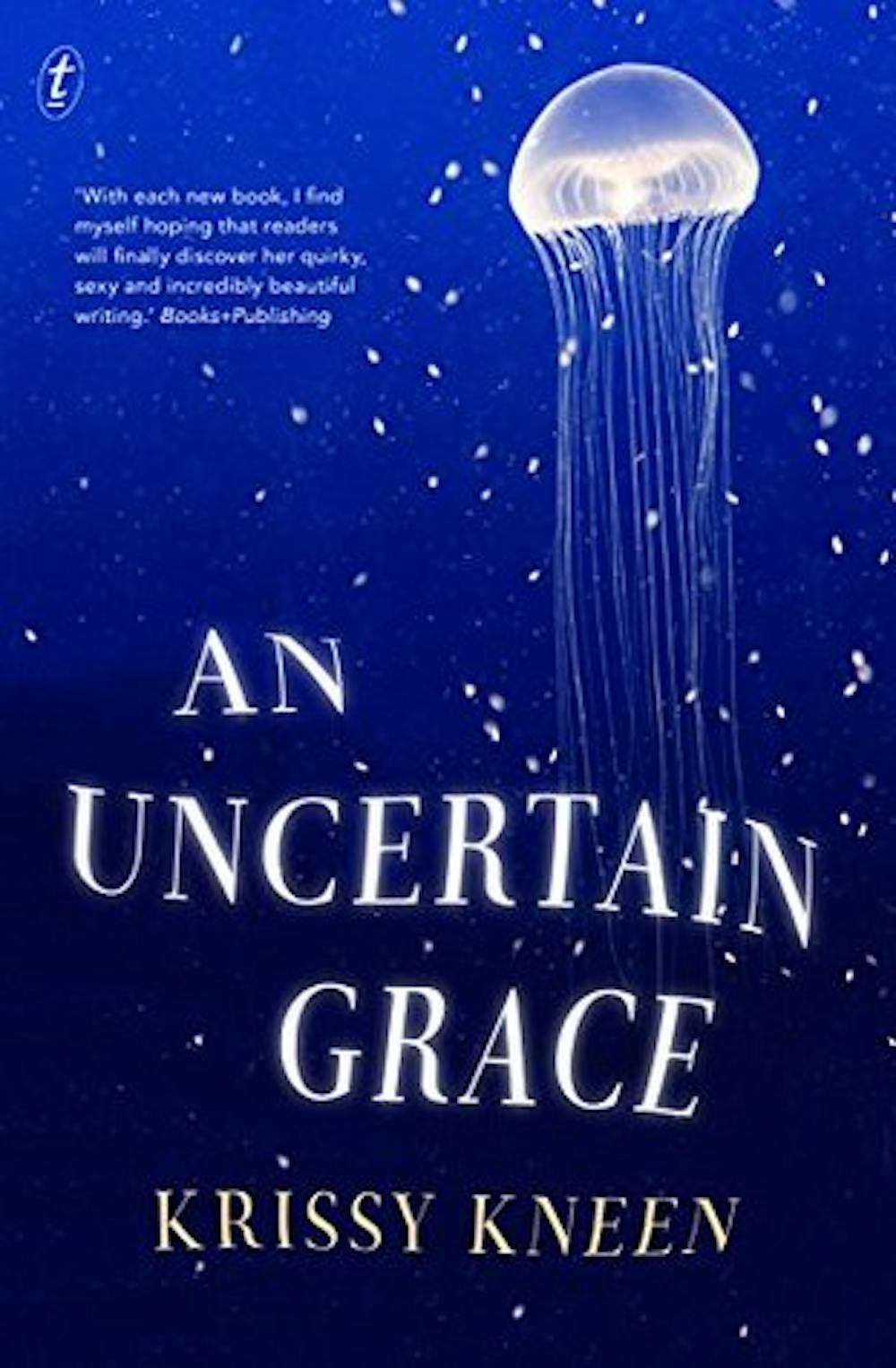
And her book is not alone. Other wild titles achieving similar success include Krissy Kneen’s An Uncertain Grace, shortlisted for the Aurealis, the Stella prize and the Norma K. Hemming award – given to mark excellence in the exploration of themes of race, gender, sexuality, class or disability in a speculative fiction work.

Kneen’s book connects five stories spanning a century, navigating themes of sexuality – including erotic explorations of transgression and transmutation – against the backdrop of a changing ocean.

Earlier, more realist but still speculative titles (from 2015) include Mireille Juchau’s The World Without Us and Bradley’s Clade. These novels fit better with Miéville’s description of “litfic”, employing realistic literary techniques that would not be out of place in Winton’s books, but they have been called “cli-fi” for the way they put climate change squarely at the forefront of their stories (though their authors tend to resist such generic categorisation).

Both novels, told across time and from multiple points of view, are concerned with radically changed and catastrophically changing environments, and how the negative consequences of our one-world experiment might well – or, rather, ill – play out.

Catherine McKinnnon’s Storyland is a more recent example that similarly has a fantastic aspect. The author describes her different chapters set in different times, culminating – Cloud Atlas–like, in one futuristic episode – as “timeslips” or “time shifts” rather than time travel. Yet it has been received as speculative – and not in a pejorative way, despite how some “high-art” literary authors may feel about “low-brow” genre associations.

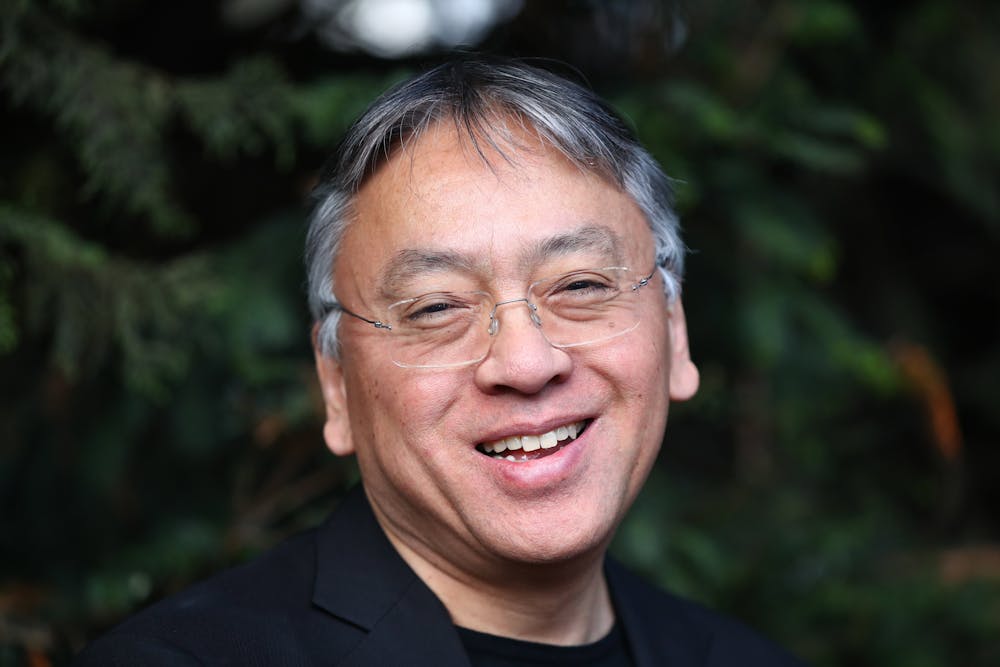
Kazuo Ishiguro in 2017.
Neil Hall/AAP

Kazuo Ishiguro, for instance, told The New York Times when The Buried Giant was released in 2015 that he was fearful readers would not “follow him” into Arthurian Britain. Le Guin was quick to call him out on his obvious attempt to distance himself from the fantasy category. Michel Faber, around the same time, told a Wheeler Centre audience that his Book of Strange New Things, where a missionary is sent to convert an alien race, was “not about aliens” but alienation. Of course it is the latter, but it is also about the other.

All these more-and-less-speculative fictions – these not-traditionally-realist literatures – analyse the world in a way that it is not usually analysed, to echo Tim Parks’s criterion for the best novels. Interestingly, this sounds suspiciously like science-fiction critic Darko Suvin’s famous conception of the genre as a literature of “cognitive estrangement”, which inspires readers to re-view their own world, think in new ways, and – most importantly – take appropriate action.

A new party

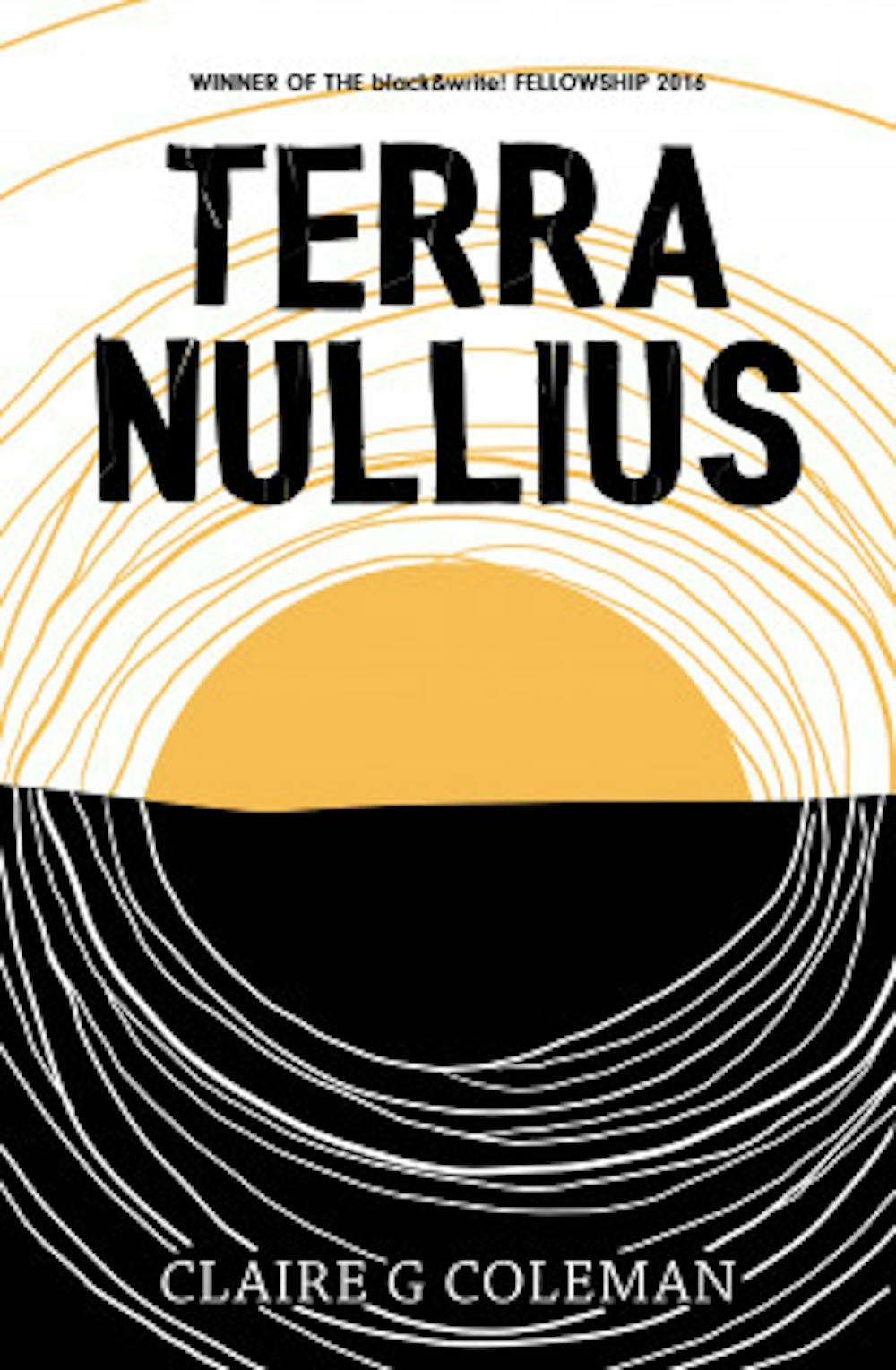
Perhaps better case studies of what local spec-fic is or does – when considering questions of diversity – are Charlotte Wood’s The Natural Way of Things and Claire Coleman’s Terra Nullius.

The first is a distinctly Aussie Handmaid’s Tale for our times, where “girls” guilty by association with some unspecified sexual scenario are drugged, abducted and held captive in a remote outback location.

The latter is another idea whose time has come: an apocalyptic act of colonisation. Not such an imagined scenario for Noongar woman Coleman. It’s a tricky plot to tell without giving away spoilers – the book opens on an alternative history, or is it a futuristic Australia? Again, the story is told through different points of view, which prioritises collective storytelling over the authority of a single voice.


Read more:
Friday essay: science fiction’s women problem


“The entire purpose of writing Terra Nullius,” Coleman has said, “was to provoke empathy in people who had none.”

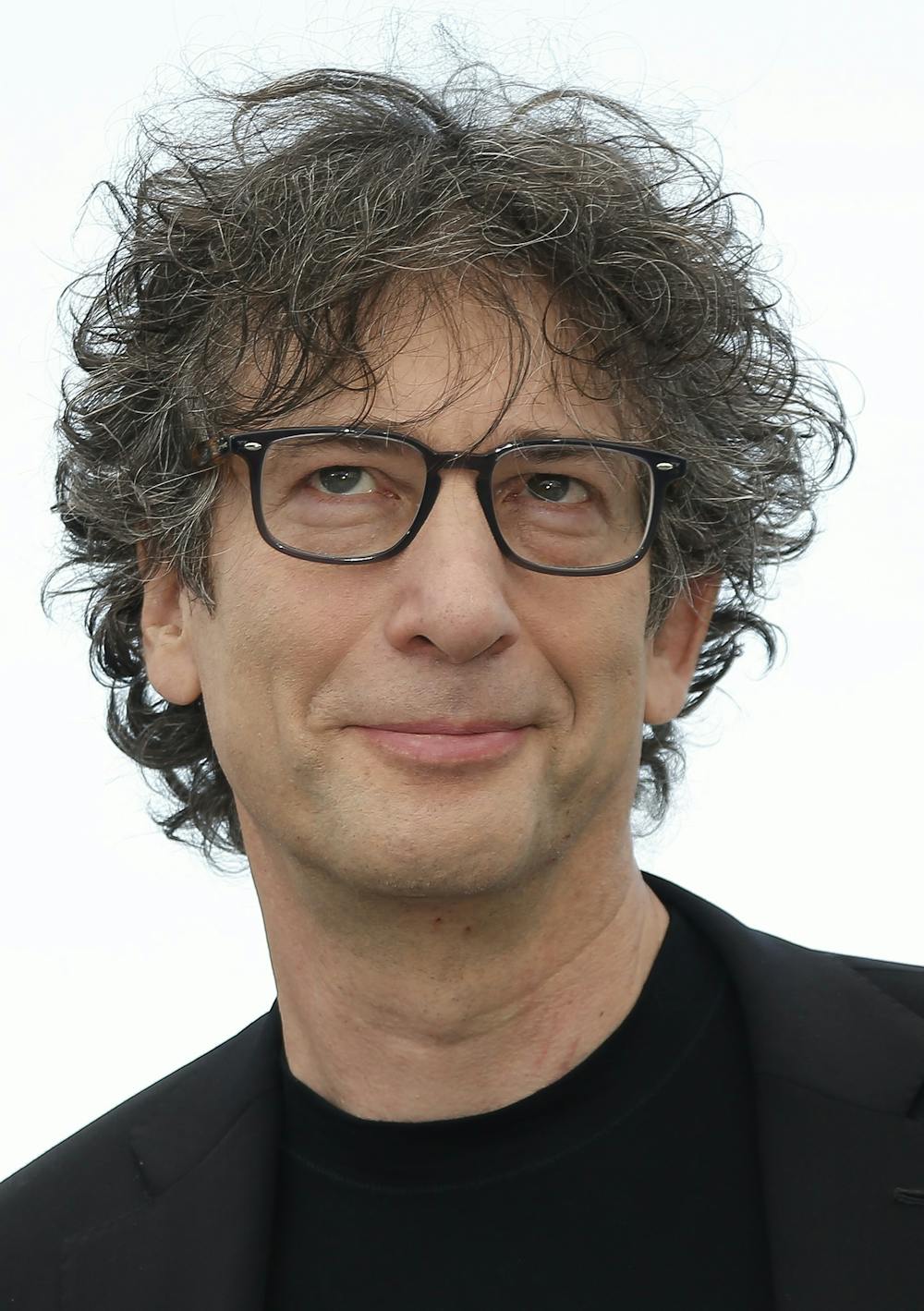
This connection of reading with empathy is a case Neil Gaiman made in a 2013 lecture when he told of how China’s first party-approved science-fiction and fantasy convention had come about five years earlier.

Neil Gaiman.
Julien Warnand/EPA

The Chinese had sent delegates to Apple and Google etc to try to work out why America was inventing the future, he said. And they had discovered that all the programmers, all the entrepreneurs, had read science fiction when they were children.

“Fiction can show you a different world,” said Gaiman. “It can take you somewhere you’ve never been.”

And when you come back, you see things differently. And you might decide to do something about that: you might change the future.

Perhaps the key to why speculative fiction is on the rise is the ways in which it is not “hard” science fiction. Rather than focusing on technology and world-building to the point of potential fetishism, as our “real” world seems to be doing, what we are reading today is a sophisticated literature engaging with contemporary cultural, social and political matters – through the lens of an “un-real” idea, which may be little more than a metaphor or errant speculation.

The Conversation

Rose Michael, Lecturer, Writing & Publishing, RMIT University

This article is republished from The Conversation under a Creative Commons license. Read the original article.