And yes, this Emu War actually happened. Roughly 20,000 emus migrated into the Eastern Wheatbelt area, discovering newly cleared farmland filled with crops and watering points for sheep. They liked this supply of food and water and were ambivalent toward the soldier settler (and other) farmers’ tough run of grain prices and droughts.
Since these were ex-soldiers facing ruin (from drought, grain prices, broken subsidy promises, and emus – blame the killer emus!), they liked the idea of using machine-guns (2 Lewis Guns) against the birds in the same way they’d used them against opposing infantry in WW1. This didn’t go anywhere near as well as expected. Emus are faster, harder to kill outright, and generally not running straight at a machine-gun embankment; so their casualties were low.
Two attempts were made at an emu cull, but ultimately the government decided to offer a bounty on emus instead. Later they went with the tried and trusted move of building a fence to keep the emus out of agricultural areas (along with dingoes, wild dogs, rabbits, kangaroos – although the latter laugh at attempts to build a fence they can’t jump over).
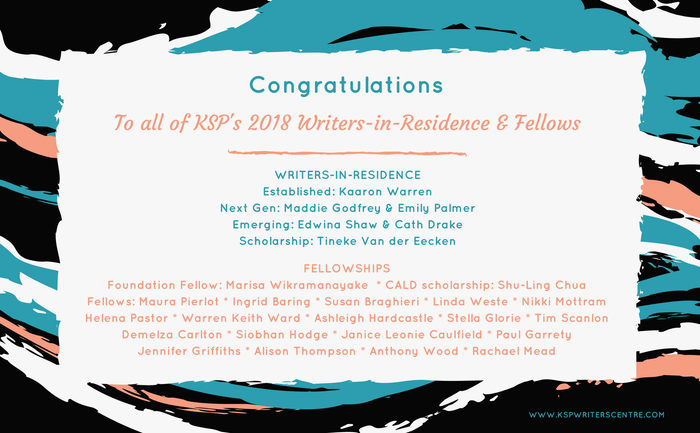
The Katherine Susannah Pritchard Writers’ Centre have announced their Writers-in-Residence and Fellows for 2018. I’ve been awarded a Fellowship to work on a satirical novel titled Evil Corp.
This will be a wonderful opportunity to have time and space to write. Here’s the blurb for the story:
Here at Evil Corp we have been successfully carving a path toward world domination for 15 years. With our dedicated staff we want to have you serve our every whim.
Your family deserves the security and friendly authoritarian rule that you could expect from an organisation like Evil Corp, but with the personal touches that only a caring and understanding community minded team can offer.
Have you bowed down to Evil Corp?
Update: The list of residencies and dates with author profiles are now available. I’m afraid it appears I’m the only one who didn’t take their profile seriously.
Everyone seems to be doing these Top 10 Posts listicles on their blogs, and I’m nothing if not a joiner.
Actually, that isn’t true. I’m not a joiner at all. But I do want to do a listicle. I’m not exactly sure why I want to do a listicle, but it is probably to do with procrastinating from doing something hard.
If we go by the blog stats, this was a pretty good year. 2016 technically had more visitors and views than 2017 (just), but it was buoyed by one post going viral in December. Every month for 2017 has outperformed 2016 in every metric (except of course the viral December post). I wrote 114 posts in 2017, 66 book reviews, had +25k visitors, and +30k views. Not huge numbers, but I’m pleased that the page is continuing to grow, especially in the areas of likes and comments. A big thank-you goes out to my followers and regular readers, new and old.
One of my trademark snarky Quora answers. Its popularity both last year and this year shows that I need to write more articles about Australian animals.
This is one of my older posts discussing the overblown coverage of shark attacks. I actually prefer the post I wrote a few years after this one, but probably need to revisit this topic with more recent stats. Which people can ignore in favour of the older post that pops up first in their search…
Finally, a post written in 2017 on the list. This is part of my long-running series that piggybacks on the CineFix videos. I do enjoy sharing the videos and discussing book adaptations.
And we’re back to posts from other years… This is one of my favourite book adaptation posts. When I first read The Bourne Identity I couldn’t get over how dissimilar the book and movie were. I didn’t understand why anyone would bother to pay the author money to proceed to not use their source material. Essentially, this book and movie are partly the inspiration for my discussions on book adaptations.
This article was a repost of a listicle, but unlike the original list, I’ve actually included links to references. Not that you’d know it since they have deleted the original.
After watching Vin Diesel leap a souped-up V8 over a decidedly murky shark-filled estuary, I felt the need to write this post. I wrote another more recently summarising the series thus far. This will probably become a regular series given people keep going to watch these films.
When I pitched this article the response was a deafening silence. I decided to write it as a blog post instead. It then became my most down-voted item on Reddit. Apparently, we don’t talk about sports negatively. Especially not if you back it up with facts. I’m glad people here have once again enjoyed it.
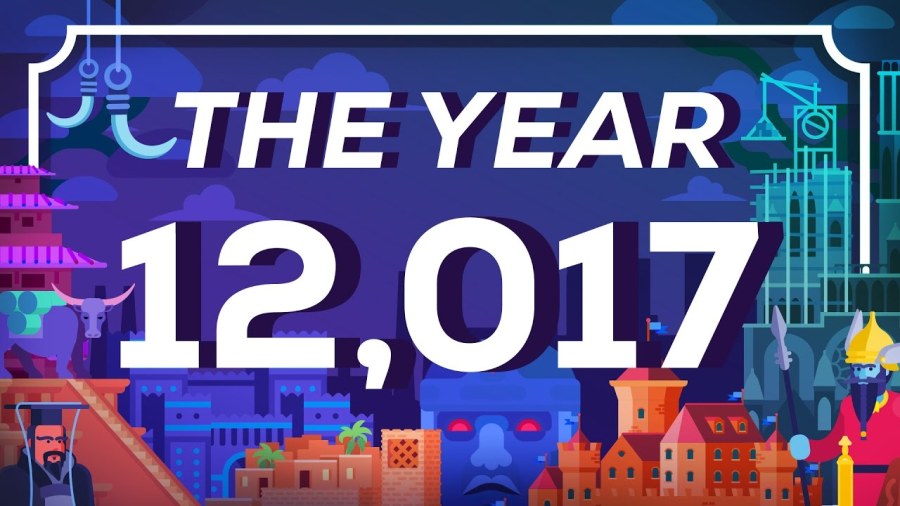
Here’s to 12,018: I hope everyone has a good year!
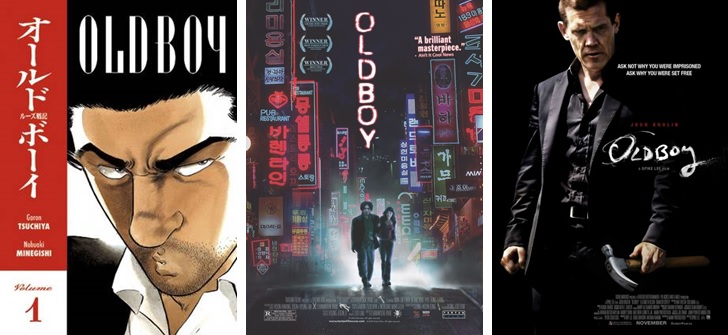
This month in CineFix’s series What’s the Difference? they cover Oldboy. Live octopus not included.
Not having read the Manga, I don’t really have much to add to the above video. The film is amazing. It redefined “off-the-wall” and managed to make it compelling watching.
Let’s not talk about the Spike Lee remake. Because it wasn’t very good. Although, because it is an American adaptation of a South Korean adaptation of a Japanese work, it can be interesting in an intercultural sense. This article is very interesting in that regard.
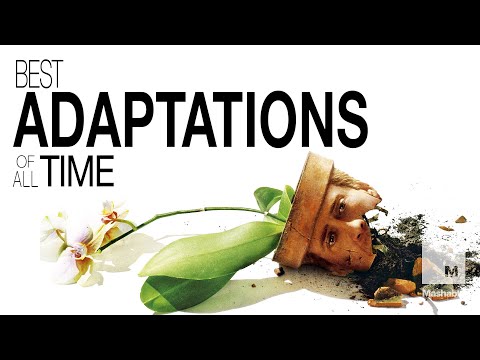
In keeping with my monthly series of posts on book adaptations – Book vs Movie – I thought I’d share this CineFix video as my last post before the Festive Break. They cover a lot of great adaptations, even mentioning a few I was unaware were adaptations.
Thanks to my readers and commenters for dropping by this year. I hope you all enjoy whatever Holiday tradition you celebrate. Best wishes from me to you.
Now let’s argue over whether this video has missed any of our favourite movies based upon books.
If you directly influence the creation of cyberpunk, The Matrix, the term cyberspace, and popularising the term ICE, does that mean you get a pass on influencing dubstep?
Case is your average run-of-the-mill washed-up loser. On his way to drug addled death after his hacking career is cut short, he is recruited to perform the ultimate hack. Patched back together with new organs, he joins a team recruited to help an AI.
I feel like I’m being unfair in my rating for Neuromancer. This is one of those classic novels that deserves the praise it receives. The influence this novel has had on science fiction, particularly upon film, is hard to overstate. It is also easy to underestimate the skill of Gibson’s writing. For example, just before starting Neuromancer I tried (and failed) to read a sci-fi novel with a similar level of world building and interesting ideas. Where that novel failed in being able to make the jargon feel natural, and the explanations flow, Gibson succeeds. His narrative isn’t bogged down by the world building the way many others can be.
Having said that, Neuromancer didn’t grab me. It was entertaining enough to keep me reading, but not enough to have me rating it higher. I’d imagine that had I read this novel 20-30 years earlier my opinion would be different. It is the curse of being the original that everyone copies. At some point people like myself won’t be wowed because they’ve seen it all before by the time they read the progenitor.
Francis Thurston starts fossicking through his uncle’s things and discovers some notes and a carving. Fascinated, he searches high and low to uncover the origins of the carving. Soon he is traversing the world to uncover a cult and the being they worship. Things only get better from there on in.
It is hard to review a classic work of fiction. Usually, there are only a few paths open to you:
1) Fawning sycophancy;
2) A belligerent dismissal of the work as rubbish which avoids engaging in anything other than superficial comment;
3) Overly detailed comment and critique that ends up being worthy of a Masters dissertation that no-one will bother reading and just assume you did #2 (i.e. a complete waste of time);
4) A review that is clearly based on having watched the movie adaptation.
The reasons that this is a hugely influential work are clear. The mystery being uncovered with a slow reveal. The dense and subtle narrative. The gradual rise in tension as we come to the realisation. It is also a bleak comment on human existence and our insignificance. But there is also the use of the memoir narrative that appears to have been very popular in speculative fiction in the past. For me, this style removes both the narrator and the reader from the events of the story, which removes much of the tension and emotion.
I feel comfortable saying my rating is “good but not great” because Lovecraft himself described this as a middling effort.
Book Pitch: The kid from The Sixth Sense grows up to become a short-order cook.
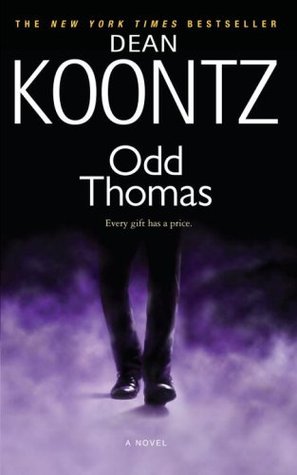
Odd Thomas lives just above the poverty line in a small town. He works as a short-order cook, driver for Elvis’ ghost, and ad hoc homicide consultant. When a creepy guy surrounded by bodachs enters his restaurant, he starts to uncover a plot to stage a mass shooting. Yes, the small town is in the USA; how did you guess? With the help of his soulmate, Stormy, he tries to stop this evil from happening.
Ever since I watched the Odd Thomas movie on Netflix – starring Anton Yelchin – I have been meaning to read some Dean Koontz. My last Koontz outing was….. many years ago in the form of Night Chills. For some reason, despite finding Night Chills enjoyable and highly memorable, I’ve not come back to Koontz. Well, the drought has been broken.
Despite enjoying Odd Thomas, I still have reservations. The narrative is told in the memoir narrator style, something that robs the book of tension, yet still manages to provide a twist. The story itself feels drawn out, with a lot of detail put into things that probably don’t matter. So I’m left wondering if I’d prefer to try something like Phantoms rather than the next Odd Thomas novel. Probably won’t take me another 30 years to read the next Koontz though.
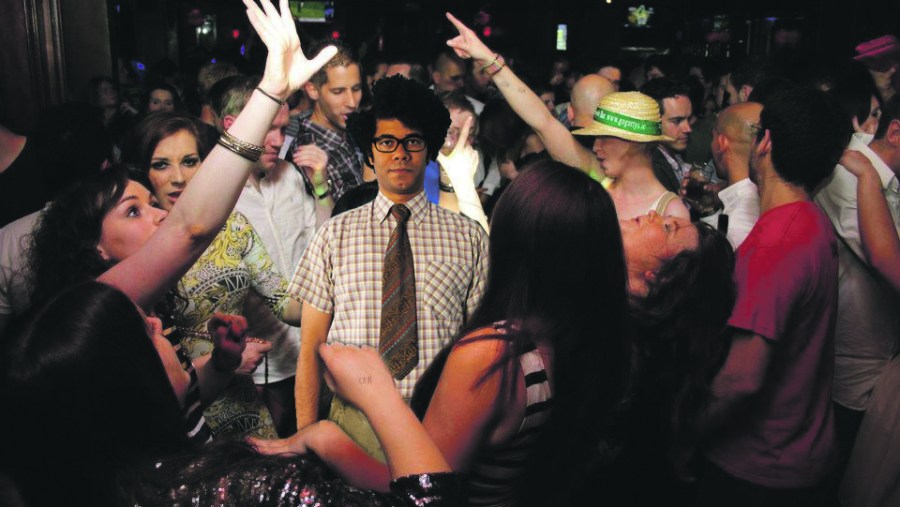
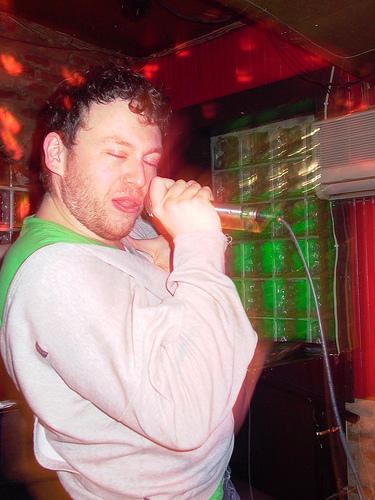
I’ve always been amazed at what a few quiet drinks at your local allows you to do. Alcohol imbues superpowers to all those who consume. Some of those powers are amazing, others are powers we’re glad we forget about the next day.
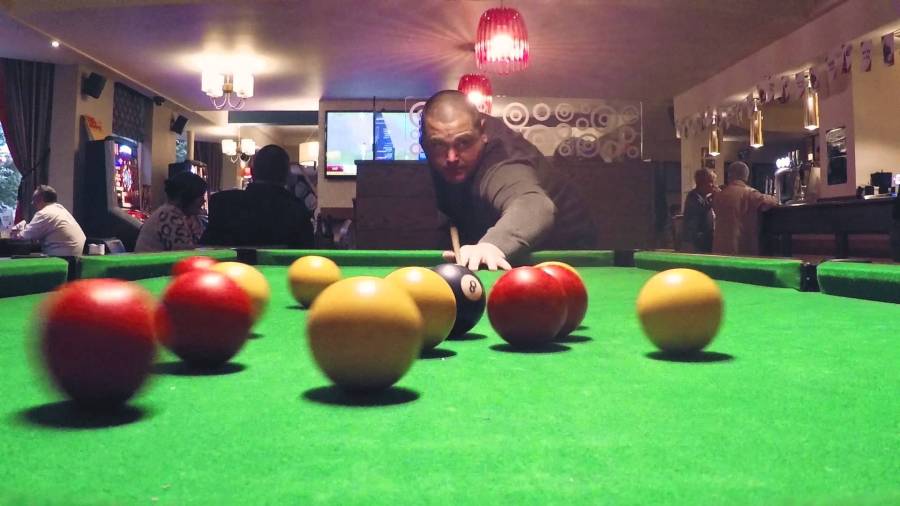
Play pool, snooker, or billiards
Eat a kebab
Find a kebab store
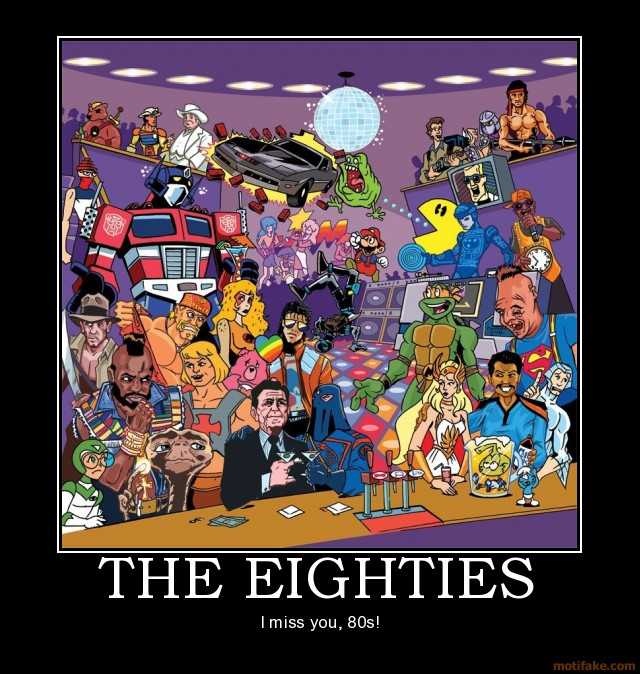
Listen to the greatest hits of the 80s
Go to a nightclub
Queue for a nightclub
Dance
Sing Karaoke
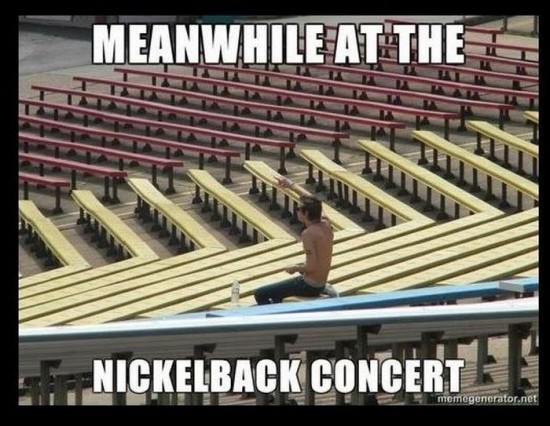
Not drop dead instantly from embarrassment from being at a Nickelback concert
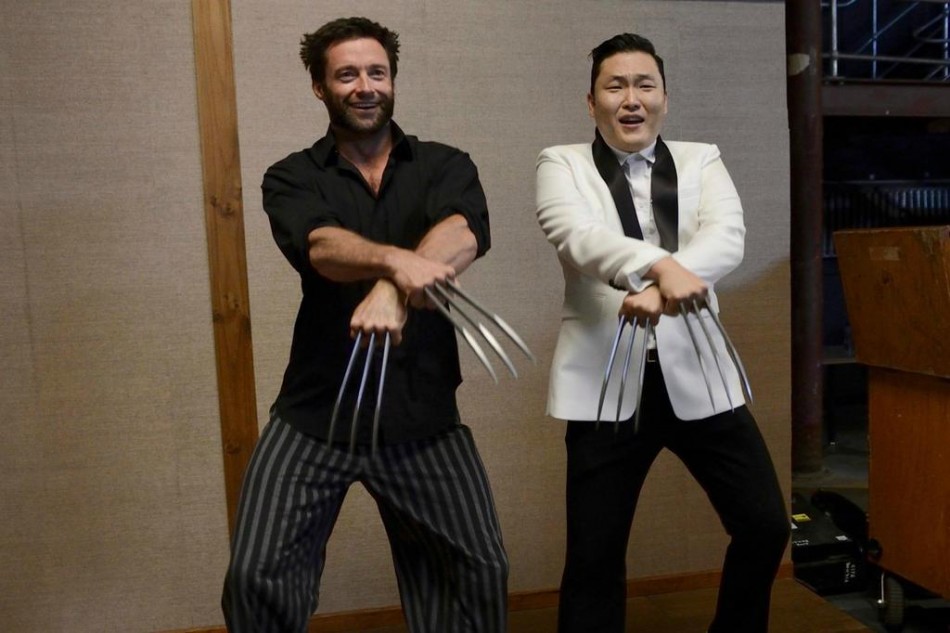
Hugh Jackman is a proud Aussie export. We love that he is a Hollywood A-lister, and even more that he makes the rest of us Aussies look awesome.
But, and there always is a but, Hugh has appeared in some films that could have been greatly improved with one simple addition. I give to you the list of movies that would have been much improved if Hugh had popped the adamantium claws and gone berserker.
Van Helsing
Let’s face it, anything would have improved this schlocky mess of a movie. Instead of Hugh turning into a werewolf toward the end, if he had turned into Wolverine and shniketied some vampires, this would have been watchable.
Australia
Wouldn’t it have made more sense to have Wolverine living in outback Australia? Then he could have taken on the invading army during the WW2 scene.
Scoop
Imagine a Woody Allen film with Wolverine in it! Imagine the boat scene with Hugh going Wolverine on Scarlet Johansen’s character, and Scarlet going Natasha Romanov on him! Imagine if this newly awesome film wasn’t directed by a creep!
Deception
Imagine if this film didn’t suck. I think adding Wolverine to the mix would have done wonders for this lame movie.
Real Steel
Wolverine versus Robots. I rest my case.
Swordfish
Who else wanted to see Hugh decapitate John Travolta in this film? Or any Travolta film barring Pulp Fiction?
Pan
I’m not sure anything would have made this a film worth watching, so claws wouldn’t have hurt.
X-Men Origins: Wolverine
Wouldn’t it have been great if Hugh was playing Wolverine…… Wait a minute. This movie sucked even with Wolverine in it.
When people have had enough of a white guy as the hero, make them an albino.
Solomon Creed, dressed in a handmade suit sans shoes, is walking into the desert town of Redemption when a plane crashes on the road behind him. And then he’s running away from the fire and into a town of crooked business leaders and cops. Solomon is here to save a man who was just buried. Guess he’ll just have to save the town instead.
When I spotted this novel on my local library shelf I was intrigued. After the opening few chapters, I was strapped in and ready for more. But somewhere along the way, I started noticing things that lowered my enjoyment of this thriller. There is a brisk pace to Toyne’s writing, and that is coupled with short chapters and plenty of action. Though the pacing is oddly coupled with a drawing out of events, and some scenes that feel like diversions from the narrative. For example, the opening fire is still raging until 30% of the way through the novel, which means we don’t really narratively move forward despite plenty occurring.
The other part that didn’t work for me was the final “twist”. While there were hints of the supernatural dropped throughout the novel, the last supernatural elements that tied the plot together and told us who Solomon Creed was (kinda) felt like they weren’t foreshadowed well enough. This could just be me being mean to a novel I was only half enjoying, but it could also be why I was only half enjoying it.
Those comments aside, this is a fast-paced thriller, and it does offer a slightly different take on the Knight Errant or Walking the Earth stories.
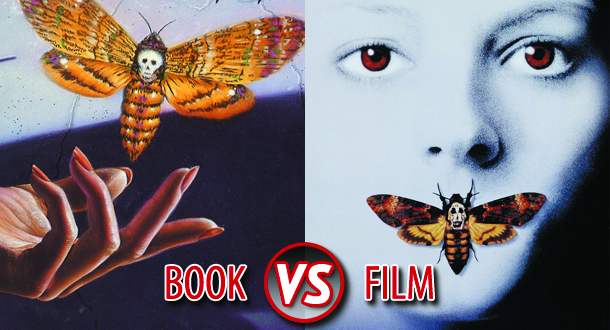
Do you prefer a Chianti or an Amarone to accompany human liver and fava beans? This month CineFix ask the question in their What’s the Difference? on Silence of the Lambs by Thomas Harris.
I’m going to be controversial here and say that the movie, Silence of the Lambs, was better than the book. That’s right. I’ll give you some time to warm up the tar and pluck the chickens.
That isn’t to say that the novel is bad, far from it. In my original reviews of Red Dragon and Silence of the Lambs, I noted that they were great stories, very interesting and layered (thematically, compositionally, etc), and gave us a charismatic villain for the history books. But I wasn’t a fan of the writing. Some passages were on point, especially some of the dialogue that was pretty much lifted straight into the movie, but other parts felt like they were letting down the team.
Compare that with the cinematic classic and you can see which one stands taller. The themes, particularly the sexism, are more subtle yet more omnipresent (camera angles and shot staging vs inner monologue). The tone of the film is brought to life, and how could it not be with Anthony Hopkins’ Lecter exuding menace and demonic magnetism, and the brilliant cinematography – the night vision scene is unmatched.
It’s a pity none of the movie sequels managed to capture the same magic. I’m yet to read the rest of the Hannibal Lecter novels, so it would be interesting to hear if they managed to continue the magic, or if they slowly drained of life with each thin slice.
Do lost cities get social media pages when they are discovered so archaeologists can check-in?
Nina and Eddie are again inexplicably searching for the lost relics of myth and legend. This time King Solomon’s lost treasures – which have previously not turned up, because reasons – are the McGuffins that could fall into the wrong hands. What could possibly go wrong with a post-Brexit rogue MI6 (SIS) spy and a Congolese warlord hot on your tail?
It has been a while since I’ve read a Nina Wilde and Eddie Chase adventure. The last Andy McDermott novel I read was the excellent Persona Protocol. Slipping back into the cozy comfort of a Nina and Eddie novel wasn’t just welcoming but reminded me I’ve missed this. Implausible and over-the-top is something very few authors manage to keep interesting, but Andy does it with ease. I hope Andy doesn’t start phoning these Artefact McGuffin Adventures in, I’m looking forward to reading more.
Do you like backhanded compliments?
Do you like to make basic mistakes and misrepresentations of the entertainment industry?
Well, you’ll love this article by Nick Cohen.
The genius of bad books
By Nick Cohen
From James Bond to Jack Reacher, we’re suckers for an uncomplicated hero. But there is an art to the action novel, writes Nick Cohen
Anyone who believes the human race is rational should try introducing themselves to strangers as an author. You do not need to do it too many times before someone says, “I need to make money. I’m thinking of writing a bestseller.”
I may be early into my author career with only a handful of published short stories under my belt, but that does allow me to bragcomplain mention that I’m an author. Clearly Nick finds himself in the company of very different people to myself. Sure, the average person has a lot of misconceptions about being an author, just as I’m sure I have misconceptions about what it means to be a politician – they kiss babies to find the tastiest ones for dinner, right?
They do not understand that they have more chance of winning the lottery. Countless millions have written novels no publisher will touch. Of the thousands of hopeful thrillers, rom-coms and sex-and-glamour blockbusters published each year, only a few will sell 50,000 or more. Fifty thousand is only the capacity of fair-sized football stadium, but it is a more than respectable sale for a book. At the top of the pyramid are the genuine blockbusters: the few books that fly off the stands. And if those odds aren’t daunting enough to the person in front of you, clutching a glass and expecting fame and money, you need to tell them best-selling authors must have talent too.
Replace author with literally any other career path. Of the millions of scientists hopeful of winning a Nobel Prize only a few will ever win one. Of the millions of junior footballers only a few will ever be paid to play before a packed crowd in a football stadium. And of course, no Nobel Prize winner, nor any footballer would ever be accused of having talent. I hope no-one paid money for this article to be written.
To the educated, the idea that the airport thrillers I find myself picking up despite my better instincts are written by talented authors is absurd. It is their clumsy writing and formulaic plots that make everyone believe they can knock one out. They are not GK Chesterton’s “good-bad books” – the Sherlock Holmes or Jeeves and Wooster stories, which are read and loved after works that are more serious are forgotten. No one reads Alistair MacLean, Harold Robbins or Jackie Collins today. The fate of the airport novel is to be everywhere and then nowhere. Their authors flare and then vanish. I know it, so why do I, like so many others, still put aside worthwhile books for trash? No book sells in millions by chance. Their authors have something that readers cannot find elsewhere, or at the very least struggle to find elsewhere.
I really do take issue with the term airport thrillers and its sister term airport novels. There is an inherent invective in these terms as they are almost always used as a pejorative. The implication is that no-one would read these novels if they weren’t going to be bored out of their minds, stuck at 9,150 metres in a metal tube for endless hours. Whilst the descriptor is widely used and conjures to mind the sort of titles you see in airport bookstores, it is another version of the worthiness argument. Another defence of Fort Literature from the invading Lesser Works.
To start with the assertion that these are Lesser Works and then further asserting the evidence is in the “clumsy writing and formulaic plots” is fallacious. At a glance you could mistake this for an evidenced argument, but we’re just told this is the case. What Nick is actually complaining about here is the popularity of novels that are primarily written to be entertaining. It’s like saying that all TV dramas are rubbish because they aren’t super serious documentaries about WW2. But those two genres are trying to achieve two very different things, so of course they will have differing approaches.
“You can be 50 pages into a Jack Reacher novel before you realise you have already read it”
Sorry, is this pull-out quote meant to be an insult or compliment? Is this meant to suggest Lee Child’s writing is similar between books, or that you’re so wrapped up in the opening pages you don’t realise you’ve already read it?
Every time I finish a Jack Reacher novel, I wonder why I have wasted my time. The Reacher stories are like pornography. They grip you while you read them then leave you with a feeling of futility and shame at the end. Lee Child is so determined to churn out a book a year he recycles his plots: a particular favourite is the villain who organises an apparently crazed serial killing so the police never guess that he was only in cold-blooded pursuit of one of the dead. So similar are his stories that you can be 50 pages into a Reacher novel before you realise you have already read it.
I hate to break it to Nick (not that he is likely to read this) but there are only a handful of plots. Six story arcs. Even if you don’t look at the story arc and just at the plot premise you still don’t get many. Lee Child has written twenty-two Jack Reacher novels (to-date) so of course they are going to feel the same – I’ve even said as much in my review of Make Me. What Nick is actually complaining about here is that Lee Child unashamedly writes commercial fiction with the intention of entertaining rather than having more literary pretensions. I mean, how dare he!
Yet Child has sold more than 100 million copies because he has a talent beyond the ability to construct a convincing plot and describe action – skills which on their own are far harder to learn than those who breezily think they can write a blockbuster imagine. His hero can beat anyone in a fistfight. He loves guns and knows how to use them. He is strong, largely silent, entirely self-sufficient, clever, honourable and always on the side of justice. He never suffers a moment of doubt about the righteousness of killing wrong-doers, and he never needs counselling for post-traumatic stress disorder when he has dispatched them. Such men have been heroes from Homer through the knights of Arthurian legend to the cowboys of Hollywood’s golden age. They are almost entirely absent from today’s fiction, because our age regards men of violence with understandable wariness. Although the modern world is preferable in every respect to societies that mythologise warriors, there remains a yearning for the old heroes, and not just among male readers. Jack Reacher is a modern Hercules or knight errant. Child has found that readers respond to stories of violence without guilt in a world without complexity as enthusiastically as their ancestors did.
Highlighted a WTF? moment. Off the top of my head, I can think of a dozen bestselling thriller authors with at least one vigilante hero series. To suggest the vigilante hero – which Nick rightly pointed out dates back to the Ancient Greek myths – is somehow absent from modern fiction suggests Nick is ignorant of the topic he is writing on.
This point is illustrative of a very basic flaw with this attack on “airport thrillers”. He hasn’t even stooped to familiarising himself with the topic. As such, his article is the opinion of the uninformed. Kinda like saying Terry Pratchett was a hack when you haven’t read any of his books – but nobody would ever do something that stupid in a major news publication…
A decade ago, Stieg Larsson’s Girl with the Dragon Tattoo novels sold almost as well as Child’s novels do now. They have equally far-fetched plots. The most telling and unconvincing is the willingness of beautiful women to sleep with the shabby middle-aged journalist hero, who, strangely enough, sounds rather like Larsson. Granted, they are more thoughtful than the Reacher novels, but I would be astonished if they survived.
It is greatly insulting to compare Larsson to Child. The latter is a writer with very few peers. The former proved that anyone could have a bestseller if Oprah recommended it. And this isn’t just an assertion on my part, Lee Child isn’t just one of the bigger bestselling authors. Child manages to retain more of his readers with each instalment of his Reacher series than his peers. Where a John Grisham or Stephen King are getting 40% of their audience to read their next instalment, Patricia Cornwall manages 50%, and Lee Child has the strongest brand with 70%. Or put another way, Lee Child’s readers really like his books, and Nick is bashing the wrong thriller author.
“Lisbeth Salander may be a cartoon character, but she foreshadowed today’s explosion of feminist activism”
This is a sentence only a white guy on the internet could write. I guess he’s never heard of the suffrage movement, or the electoral and social reform movements, and the reproductive rights movement. Referring to the fourth wave of feminism in this way is kinda cute. At this point, I’m starting to wonder if Nick actually researches any topics he deems to write about.
Yet, once again, beneath all the murders and conspiracies, Larsson had a kind of truth to tell, and news to bring. He understood how computers could be hacked to devastating effect long before Edward Snowden. Moreover, his heroine, Lisbeth Salander, who doesn’t “hate men, just men who hate women”, may be a cartoon character, but she foreshadowed today’s explosion of feminist activism.
The king of the airport bookstands at present is Terry Hayes’s I Am Pilgrim. It is the best thriller I have read in years, in part because it deals with Islamist terrorism. Most film, television and literary thrillers avoid the subject for reasons that are honourable in their way. Writers do not want to stir anti-Muslim prejudice, or are appalled by the west’s wars after 9/11. They are also constrained, although they rarely admit it, by their ignorance of religious fanaticism. Hence, Jason Bourne fights his employers in the CIA and James Bond fights shadowy conspiracies of powerful westerners. The combined effect of these good motives is strange, however. Real spies worry about radical Islam more than any other threat. Fictional spies barely think about it. Hayes succeeds, not because he is a better writer than his contemporaries are, but because he addresses fears that his rivals, both highbrow and lowbrow, cannot bring themselves to face, and spends the time needed to research and create a plausible Islamist villain.
This is again a great example of Nick’s ignorance of the thriller genre. I’ve reviewed one thriller in the past year that used Islamic terrorists as the villains, and I haven’t even been focussed on thrillers. My reading has jumped over just about every genre. Nic can’t really be trying.
Also, not sure if he is aware, but the FBI is concerned about white supremacists (and other domestic terrorists) more than ISIS et al. The former chief of MI6 (actually called SIS, but let’s go with the name people know from the movies) called Trump the biggest threat, a view supported by the US intelligence community. I suppose you might say radical Islam ranks Top 5 if you just pretend religion drives terrorism like Nick does here, rather than it being more complicatedthan that… If it isn’t obvious, Islam is one of Nick’s trigger issues. He can’t help but throw a few stones at it every chance he gets. Pity he doesn’t seem to be informed on this topic either.
“The first person an author must sell a book to is himself or herself”
Yeah, it’s a zero-sum game. And I’m sure this sentence seemed really profound before it became a pull-out quote.
He believes in his story, in other words, as all successful authors must. You can hide in an article or a web posting of 1,000-words or so. Those who think they can write a bestseller do not understand that there is no hiding place in a novel of 100,000 words or more. The first person an author must sell a book to is himself or herself. If they don’t believe in their story, no one else will. If they are following formula, their insincerity will out.
What Nick is trying to articulate here is that it is harder to write a novel than an article or other short pieces. There is more to a novel, it has to be more substantial, and it has to engage the audience for much longer. He isn’t wrong here, just dancing around the point like Mick Jagger on LSD.
I accept that I risk sounding naively romantic about a publishing business without a shred of romance in it. So let me stress that I am not arguing that an author’s sincerity guarantees that a book will be good or even publishable.
Nor am I saying authors must sincerely believe their story is a realistic or even quarter-way realistic portrait of the world. The thrillers that sell in their millions are by any sensible standard ridiculous. The forces of law and order are either corrupt or asleep on the job. Western societies endure extraordinary levels of violence, and are threatened with worse, even though by historical standards they are more peaceful now than they have ever been.
So only very serious works are worthy? Because the attempted point appears to be that the premise of thrillers are unrealistic, which is somehow bad. I sure hope Nick doesn’t stray into the speculative fiction, romance, or political biography sections of the bookstore. Talk about unrealistic stuff!
You can claim that every device their authors use is false. Every device, that is, except one. They must believe in their books so that, if only for a moment, their readers can too. To put it another way, if you want to show a lone agent taking out a crime gang or saving America from a biological attack, you had better be able to convince yourself that he can.
Yeah, that’s not how it works, Nick. It’s called a plot contrivance and audience buy-in. You don’t have to convince people, they just have to accept it as plausible in the fictional work they are reading. This is Fiction 101 stuff. He must have slept through that class.
At some level, all popular writers share a similar delusion. Barbara Cartland believed that princes would come for virtuous girls who waited, and Ian Fleming thought that men could be James Bond. The best airport thriller writers are no less lost in make-believe.
Again, this isn’t about any delusion. This is about the craft of telling any fictional story, especially stories that are fantastical. Or put another way, the first authors to write about space travel were delusional by Nick’s estimation. But many of those authors were particularly prescient and even inspired rocket scientists to make space travel possible. Those authors never deluded themselves that space travel was possible at that time, but they were still able to convincingly tell a story that inspired it to become possible. And the moon still counts as space travel. Even though that isn’t anywhere near as cool as the ideas we have in fiction.
Rational people may want the advances, but cannot begin to imitate the immersion in fantasy. For that, perhaps, they should be grateful.
Nick Cohen
Nick Cohen is a journalist, author and political commentator. He is a columnist for the Observer, a blogger for the Spectator and TV critic for Standpoint magazine. His books include You Can’t Read This Book, What’s Left? and Pretty Straight Guys
@NickCohen4
Honestly, I could write a piece every week discussing one of these articles. They are written because people will read them. We love to pretend to be intellectual as we deride someone’s favourite movies, books, TV shows, art, etc. But where real critique and discourse would offer insight, and thus informed judgement, these articles never elevate themselves above unsupported assertions. They are merely attacks against the invading Lesser Works to keep Fort Literature safe.
The main problem with Nick’s brain droppings is that he is mistaking his subjective view for being objective. There is a level of snobbery to his derision of Lee Child (and other “airport novels”), something I’ve taken issue with previously. But it also displays the pseudo-intellectual nature of his arguments and his ignorance of the genre he is criticising.
We’re not just talking about Nick’s displays of ignorance about “airport thrillers” or the other highlighted inaccuracies. He is also blithely unaware of what makes art and how the aesthetics of art are appreciated. It could be argued, and has been, that art being enjoyed is subjective and multifaceted. But there is also an objective measure of art, part of the culturally shared aesthetic and the understanding of the art form. For example, we can recognise when a book has spelling and grammatical errors, we can spot confusing sentences and may have trouble interpreting what the author is trying to say. So there is an objective measure of art. But how do you compare a literary novel to a Jack Reacher thriller? You have to make subjective divisions and distinctions that is more about individual enjoyment or appreciation than it is about objective aesthetics.
In short: just because you like something doesn’t make it better than what someone else likes.
Further to that, Nick fails to set forth a proper argument with clear divisions and distinctions (probably due to ignorance on his part) with which to argue his central premise. “The genius of bad books…. there is an art to the action novel” remains largely unsupported because his points could apply to any novel in any genre. At no stage does he define what the art is to the action novel, and thus what sets it apart from whatever thing he thinks is superior art.
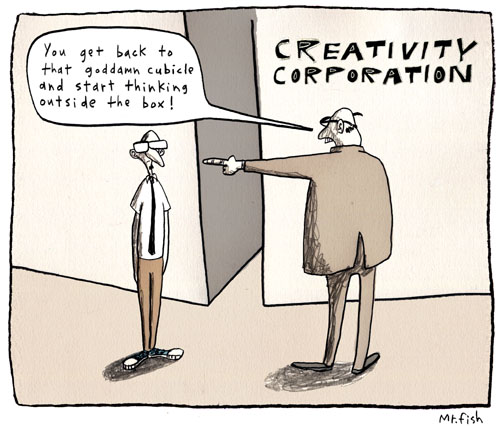
Who else has had this conversation? I know I have. A few years ago I blogged about Sir Ken Robinson’s TED Talk title Do Schools Kill Creativity, worth a read and watch.
Where I pretend I write. Nice, isn’t it. (Not pictured: mosquitoes, noisy kids, actual desk the computer usually resides on.)
Of late I have noticed a disturbing trend occurring on writing blogs and groups: Write Shaming.
Write Shaming is when writers post images of their favourite place to write. Usually they attach some little story – because they’re writers, they can’t resist – about how inspiring the location is. The story about how awesome the local cafe is compared to their purpose-built study. Or how the desk was secretly trying to kill the author. The goal is that people become envious and to have them start thinking “I could write well/heaps/both if only I had a setup like that.”
This all got me thinking about an article from Patricia Briggs’ site and a recent discussion we had at my local writers’ group: What are all the cool kids writing with? Whether it be the latest liquid-cooled PC with a display that makes the term UltraHD seem quaint, or your chisel set and pile of clay tablets, every writer has their own setup for crafting masterpieces. Well, everything from Twilight fan-fic through to masterpieces.
So what better way to procrastinate during prime writing time than to discuss all the writing toys you could be buying.
Portable writing tools
This list includes:
Pen and notebook
Laptop
Phone
Tablet
In Australia Pilot Press created a Diary for Writers. It has writing prompts, weekly ideas pages, writing tips, contact details for writers’ centres, and dates for competitions, events and festivals. Of course, there are plenty of other notebooks made specifically for writers… they just kinda seem feeble in comparison now, don’t they.
The big advantage of a notebook and pen is that it gives you a consistent place to record ideas. Many famous novelists are known to have a notebook on their bedside table for that inevitable just-before-sleep brilliant idea that you’ll totally remember in the morning… More’s the pity that some of those ideas weren’t lost.
Phones and tablets are taking over the role of notebooks in this modern age. With synching programs like Evernote, Dropbox, Google Docs, etc, able to run on all your devices, your ideas are safe to embarrass you when you rediscover them ten months from now. Phones and tablets are more than powerful enough to be your primary writing tool as well. Phones have defied the pre-smart phone trend of getting smaller, and are now sporting screens big enough to be seen by some stranger two rows back on your commute. Let’s hope the police believe you’re a writer when that stranger reports you for that twisted thing you wrote. You know the one.
Tablets and small laptops are starting to become interchangeable now. No longer are these highly portable devices in possession of processors that run at the speed of two tortoises passing notes to each other across a football field. Writing isn’t exactly a hardware draining or intensive software activity, so the choice really comes down to how much you like typing on a tablet versus a laptop. And which one has the coolest games and other procrastination tools. Even Scrivener has launched an iOS friendly app for iPhone and iPad.
One caveat to tablets and laptops is the keyboard. Some keyboards are not full-sized and can be challenging or plain infuriating to use, especially if you touch type. Although they also act as a great excuse for your pathetic typing skills. Another issue is that some keyboards aren’t real keyboards, and much like typing on a tablet or phone screen, they don’t have any tactile feedback and can lead to some hilarious typos. Turn predictive text on for sentences that make even less sense than your drunken uncle discussing politics and the economy.
The writing desk and computer
Yes, yes, I know, there are some people who prefer to write things out longhand. They spend countless hours with pen/pencil in hand writing on thinly sliced dead trees only to have to spend even more hours transcribing it into an electronic format that is of any use. So excuse me if I acknowledge that this is 2017 and talk about computers for writing.
While portability can be awesome, having a dedicated space with a full-sized – possibly “ergonomic” – keyboard, a screen that doesn’t induce eyestrain from having to read documents in 4 point text size, and an internet connection that doesn’t drop out every time a car drives past and blocks the Wi-Fi signal has advantages. As above, computers are more than capable of handling the pressures of word processing, which makes the choice more about budget and what graphics package you need to run Netflix* in UltraHD. Laptops can fill the role of desktop computer here with a base station connecting a decent sized monitor, etc.
Writing software is still oddly dominated by the “my computer came with it” word processors. Needless to say, MS Word is highly popular because people don’t know any better. Word is a highly versatile program that can do just about anything, integrates with all the plugins and add-ons you can imagine, and does a perfunctory job of being useful. In its favour it is the most supported program, which means updates actually happen, integration with programs like referencing software is a thing (hey, us science nerds care about that stuff!), and editing with tracking and commenting is excellent. MS Word is the jack-of-all-trades, and thus master of none, and has so many features there are entire lists to point out the stuff you didn’t know it had.
Of course Mac OS have their own less popular versions of the MS Office programs. But Apple admitted people liked Microsoft and let MS Office come play on their OS.
Linux users and anyone liking freeware have long utilised the MS Office knockoffs of OpenOffice and LibreOffice. Since the demise of OpenOffice and the limping of ApacheOpenOffice toward the same fate, LibreOffice is as close to MS Office you’ll get without feeling too dirty.
There are plenty of online options that all have limitations and benefits. Google Keep, Evernote, Onenote, etc, fill differing roles. These aren’t just writing and note tools, but can also save documents and webpages. Since they are cloud based, anything you have saved there is accessible anywhere, anytime. Well, unless you have third world internet like us Aussies.
The online options also extend to apps that are made for writing and not just note taking. Google Docs is the most obvious, especially with its sharing capability. Novlr is an online/offline subscription based app made by writers for writers. ApolloPad is an online writing app with features like cork-boarding and timelines – pity it is still in beta. Novel Factory is another online subscription based writing app made by writers for writers. Apparently writers don’t get paid unless they can also code software.
Dedicated writing apps aren’t always best served in the cloud or online. Feature rich programs tend to play better when they can hog your RAM directly rather than through your browser. Novel Factory has a Windows version that isn’t subscription based. Bibisco is an open source (yay, free!) dedicated writing app with some cool but standard features. WriteItNow has a lot of features, including an events chart to help with planning. And what blog on writing tools would be complete without flagellation over how awesome Scrivener is? Personally I’ve used Scrivener for years and love it. I didn’t even get paid to say that – hint to any of the app developers out there, I will cash for comment.
Like any good procrastination effort, there is a lot to compare, contrast, analyse, and digest here. I’ve barely scratched the surface. There is an entire list of add-ons and plug-ins that are great tools for writers (e.g. Hemmingway) that I may cover in another blog if people are interested. I may cover it even if people aren’t interested. That’s just how I roll.
*Netflix being the PG friendly term for any of those streaming sites you’ll be accessing.
** Thanks to Gary from my Spec-Fic writing group for his list of writing apps.














 Tyson Adams