Whenever I hear about one of my favourite novels being adapted for the big screen, or the moderate screen that fits in my house, I’m wary. Not wary in a “I hope they don’t mess this up” kind of way, but wary in a “They had better not mess this up” kind of way.
Well, one of my favourite novels was adapted for a TV show (again) and I’ve seen the first season. And I have thoughts…
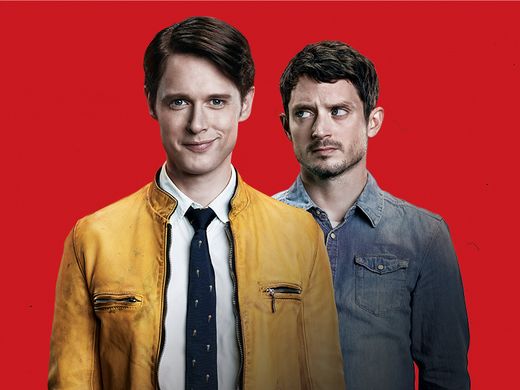
I was very wary of clicking play on the trailer for the BBC America Dirk Gently series. I removed all sharp objects from my immediate vicinity before watching. If you’re a fan of Douglas Adams’ novels, you may want to do the same. Out of wariness.
Well, at least they won’t be butchering Dirk Gently, because I’m not sure that this is Dirk Gently.
This wouldn’t be the first time we’ve seen a book adaptation with the lead character portrayed by someone who doesn’t physically match the role. I’m talking about Tom Cruise playing Jack Reacher. Twice. Anyway, I’m not sure that Samuel Barnett really fits the Svlad Cjelli (aka Dirk Gently) middle-aged, overweight, poorly dressed, loser mould.
He is portrayed as a pudgy man who normally wears a heavy old light brown suit, red checked shirt with a green striped tie, long leather coat, red hat and thick metal-rimmed spectacles. Source
And after viewing the first season, I’m even less convinced this was a portrayal of Dirk Gently. Okay, so clearly Max Landis and his team are going for more of a “youth” vibe. Landis obviously thinks that the only way to write a quirky character (quirky being code for annoying bellend) is to have them bounce off of the walls with manic energy. Which is not something a pudgy middle-aged guy in a dirty suit does.
Then we have not-MacDuff. Elijah Wood is portraying a character named Todd. He’s meant to be more of an everyman for us to relate to (see video below for discussion). So no symphony of nature, no Susan, and no hallway couch. Todd’s relationship to “Dirk” is the typical cliched odd-couple, with the non-quirky character being inexplicably fond or loyal to the person ruining their life.
So two characters that aren’t that great* who get up to weird adventures. Right? Well, the adventures are… kinda… dull. Douglas Adams had Dirk save the world from a ghost of the people who created life on Earth, and the Norse Gods who are a bit peeved about not being admired anymore. Landis has Dirk investigating gifted people swapping bodies… and stuff.
I’m really not sure what Landis was going for. But then again, I’ve watched Bright, which leads me to conclude Landis probably doesn’t know what he’s trying to do either.
After watching this panel discussion you’d be forgiven for thinking that everyone involved had a good grasp of the material they were adapting. Landis professes to being a big fan of Douglas Adams’ writing… Yet his takeaway from Dirk Gently is manic energy guy running around being weird. The panel discusses capturing the essence of Dirk Gently, but I didn’t see the loser conman and his intricate adventures that really were holistic.
It often baffles me why screenwriters diverge so far from the source material – it feels as though I discussed this recently. Do they buy the rights but forget to buy a copy of the book for the screenwriters? In this instance that doesn’t appear to be the case. Is it just that they aren’t usually looking to do a direct adaptation but more of an “inspired by” screenplay? In which case, why buy the rights and use the character names? Landis did moan about the lack of original ideas in cinema – but this is also the same guy who talks up sequels to films nobody wanted to see. Are writers trying to avoid a direct comparison between book and adaptation? Again, why buy the rights, since the screenwriters clearly have an idea for a movie/TV show and the source material is essentially made irrelevant?
In many instances, a direct adaptation would make more sense. Beloved books would often be best served by being faithfully adapted to please fans and appeal to new fans. The source material has proved itself already: so use it! Some changes are necessary, either for run-time, or translation between mediums, but this can still be done faithfully. So why doesn’t it happen more often? I personally suspect that the screenwriters aren’t being asked to do faithful adaptations for a variety of reasons, including having bosses who don’t care about the source material. In the case of Landis, I question his abilities… I sat through this adaptation, his movies Bright and American Ultra, and think it is fair to conclude his abilities are lacking.
Maybe one day we’ll see a good adaptation of Douglas Adams’ work.**
Yeah, this adaptation wasn’t much better.
*The characters aren’t that great, but the acting is on point. So can’t blame the actors.
**Yes, I am aware of his various radio plays and the old Hitchhiker’s Guide TV series. I can’t even remember what the latter was like it has been so long since I’ve seen it.
If you have a lot of naked adventures, wouldn’t you move to a more agreeable climate?
Henry “library boy” DeTamble is unstuck in time. He visits moments from the past and future unbidden and with a lack of clothes. Claire is his wife. She has loved him since she met Henry as a little six-year-old girl and he was thirty-six. This is the story of their complicated life together.
I’ve been meaning to read The Time Traveler’s Wife since I saw the movie on our honeymoon. Achievement unlocked before the tenth anniversary! This isn’t the sort of book I’d normally read as it is a relationship focussed story with a heart-rendingly sad conclusion. Yet I really enjoyed it.
There were two things that let the novel down for me. The first is that this book runs long. There isn’t any needless rambling or overuse of exposition, but it felt like the story had a lot of filler. None of that filler was bad, per se, but I couldn’t help but feel this novel was about a third longer than it needed to be.
The second thing was the slightly uncomfortable relationship between Henry and Claire. While I was reading there were only a few moments that felt “wrong” and that those moments were handwaved a bit too much (e.g. teen Claire and adult Henry having the hots for one another). But those moments tie to the larger issues with the relationship being fated to mess with Claire’s whole life, and to a lesser extent Henry’s. If this had been discussed more directly and given more weight I’d have been happier.
Overall, I enjoyed The Time Traveler’s Wife and would recommend it.
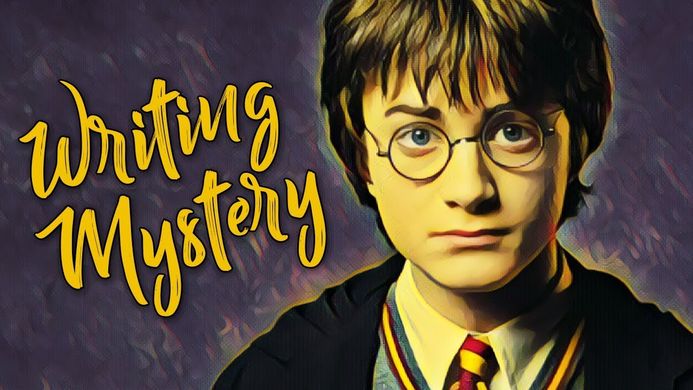
We don’t often think of fantasy novels as being mysteries. And yet, in JK Rowling’s Harry Potter novels, the mystery elements are cornerstones of the plot.
Mystery isn’t easy to do well, either, as we will see in the two videos below from Just Write. In the Harry Potter novels we see the elements Rowling used to great effect, and in the new Fantastic Beasts movies, we see how Rowling bungles those elements.
I suppose the big takeaway is that even a master writer* can mangle the craft.
*Feel free to disagree with this assertion and point out to me Rowling’s various flaws as an author in painful detail that assumes I’ve never read the Potter books. That’s why they invented the comments section.
The new episodes of It’s Lit are finally making it to YouTube. In this episode, Lindsay Ellis discusses book covers.
It is interesting that everyone in the reading industry* talks about not judging a book by its cover. Yet the entire industry is built around judging books by their covers.
We have the publishers and their creative team designing covers to attract readers. We have the readers browsing the stores and picking something that catches their eye. There are plenty of statistics around showing the improved sales based upon book placement in stores, whether they are face out or not, and whether they are in big piles – which makes all sorts of subconscious suggestions to shopping readers.** All of these factors are about presenting us readers with the cover of the book in the hopes that we’ll be interested enough to buy it.
But don’t judge it by its cover!!
*I honestly think we should stop using the term publishing industry and refer to the end user instead. I think we lose sight of who matters at times.
**Online stores have similar sales statistics related to cover design. Indie authors will often talk about the success of changing covers and improving sales.
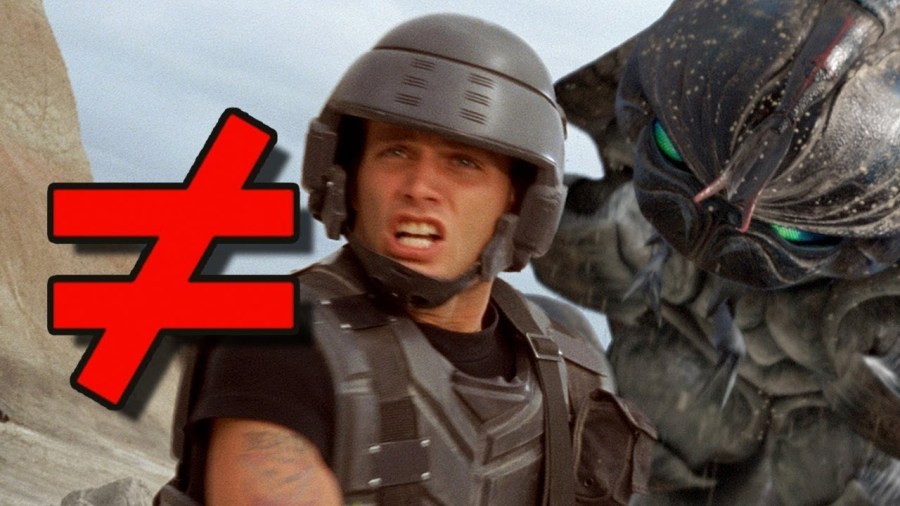
This month’s What’s the Difference? from Cinefix looks at one of the more blatantly different book adaptations: Verhoeven vs Heinlein’s Starship Troopers.
The first time I watched Starship Troopers all I saw was a cheesy B-grade action movie. This was also what many movie reviewers thought at the time. Many years later I finally read the book and it clicked.
Verhoeven’s film only made sense to me after I’d read the book as it is as much a critique of the material as it is an adaptation.
“I stopped after two chapters because it was so boring,” says Verhoeven of his attempts to read Heinlein’s opus. “It is really quite a bad book. I asked Ed Neumeier to tell me the story because I just couldn’t read the thing. It’s a very right-wing book. And with the movie we tried, and I think at least partially succeeded, in commenting on that at the same time. It would be eat your cake and have it. All the way through we were fighting with the fascism, the ultra-militarism. All the way through I wanted the audience to be asking, ‘Are these people crazy?’ Source
The cheesy propaganda segments riff on the heavy-handed philosophical lecturing Heinlein does. The proud militarism is given consequence by utilising Heinlein’s own references to disabled veterans and by showing horrible training injuries and battlefield scenes. The fascist elements are played up for farce in the uniforms and sequences mirroring actual Nazi propaganda films.
Michael Ironside asked, “Why are you doing a right-wing fascist movie?”
Verhoeven replied, “If I tell the world that a right-wing, fascist way of doing things doesn’t work, no one will listen to me. So I’m going to make a perfect fascist world: everyone is beautiful, everything is shiny, everything has big guns and fancy ships, but it’s only good for killing fucking Bugs!” Source
Now, I did actually enjoy the book. It is very interesting and many of the ideas were challengingly different. The portrayal of future warfare was, at the time, as imaginative as I’d come across. So Verhoeven’s reaction to satirise the book – one that Heinlein dashed out as an angry response to the US stopping nuclear tests – was probably overwrought by his childhood in the Nazi-occupied Netherlands. But if the movie adaptation had been faithful we’d probably have seen the worst elements of Heinlein’s ideas paraded around like something produced by the Ministry of Enlightenment.
Well, either that or a schlocky B-grade action movie about the military killing alien bugs.
Update: Here’s another take on the movie that, whilst missing Verhoeven’s critique, shows how much imagery and rhetoric is utilised. Although, it makes a good point that Verhoeven may have missed the mark a little in his critique.
It was only recently that I read Neuromancer. In my defence, I’ve seen all the different cuts of Blade Runner, which has to count for something. Right?
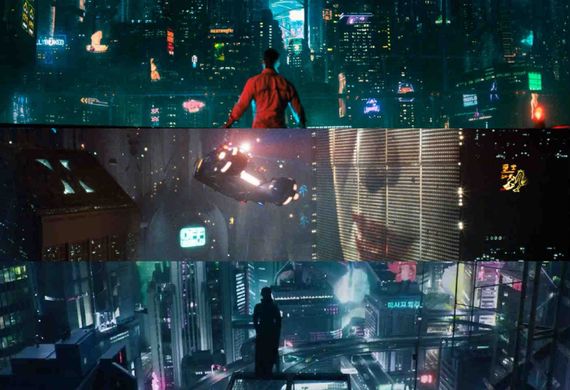
Anyway, there was an interesting video essay from Just Write that I thought I’d share. It discusses the cyberpunk genre and how the aesthetic has lost its relevance.
I actually quite enjoyed the Netflix series Altered Carbon, based on Richard Morgan’s novel of the same name. There were some interesting comments about inequality and inherited wealth that is often overlooked in discussions about living longer. But I have to agree with the video’s comments about the cyberpunk aesthetic of the show being off.
Not that it didn’t fit, but that it didn’t feel that different from what we have now, as the video stated. How can we watch a troublesome/dystopian future that is essentially our now? These aesthetic elements then undermine much of the narrative comment by reminding us that many of the plot points have already happened. It is a little bit hard to have a cautionary tale of where we are headed in the future when we have already arrived at that point (e.g. wealth isn’t made but instead it tends to be inherited unless there is some sort of inheritance tax in play or dissipation – 1, 2, 3).
So does that mean that Mr Robot and other contemporary cyberpunk stories are the way forward for the genre? Are there other ways to update the genre? Do we need another Blade Runner movie?
Some things to ponder.
Update: Future Tense/Slate published an article suggesting cyberpunk has cast a long shadow over science fiction. It alludes to some of the same points whilst trying to discuss reinvigorating sci-fi. I think the point it fails to make is that the prefix-punk genres were never going to have the same impact as cyberpunk because they were prefix genres following in the wake. If you want to reinvigorate sci-fi* you have to start with something different, not just another prefix.
Update: CuckPhilosophy has an interesting video on the philosophy of cyberpunk that is worth watching if just for the thinkers referenced.
*I’m not sure I accept the argument that sci-fi needs reinvigorating. Has some of it disappeared up its own butthole? Quite possibly. But that’s a whole argument and discussion on its own… Come to think of it, I’m betting there are endless articles on that topic somewhere.
I have been a devoted Kindle user for my e-book reading addiction. Unfortunately, my Kindle has become lethargic and prone to wasting valuable reading time. I could buy a new Kindle or one of the competing e-reading devices, or I could turn to the devices I already have.
No, I’m not talking about the stack of unread paper books on my shelf, I’m talking about my phone and tablet. Although, I probably should reduce the size of that stack before they feel unloved and attempt to move house without me.
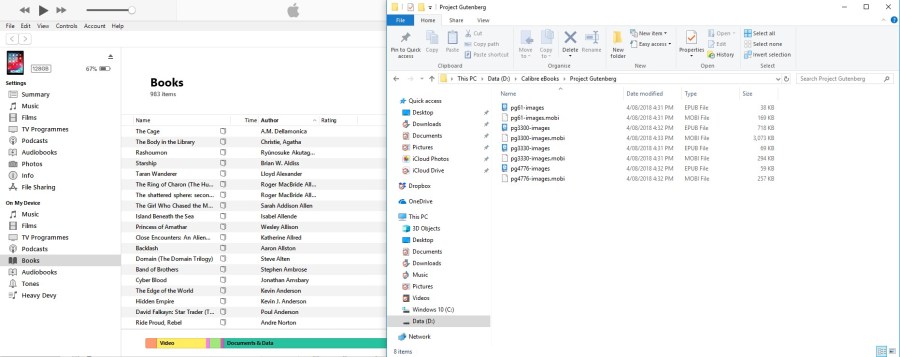
So, having decided to utilise my iPad, I plugged it into my Windows* machine, booted up iTunes, and discovered a decided lack of Books to transfer.
A tad hard to transfer books to my iPad when the Book category has been removed. Now, if I was still using a Mac the problem would be easily remedied, as iBooks has taken over the role of synching books to the iPad. But on a Windows machine, I can only really transfer my books from the store to my computer.
Try as I might, I couldn’t find an article explaining how to transfer books. So I did what every computer user does when something doesn’t work: I kept clicking until something happened. After replacing the CPU, I tried the sideloading technique some Apps utilise. You open iTunes to the place you want the file (Books) and then open a File Explorer window to the directory that contains the books you want.
As you can see in the screenshot, I’m transferring some Project Gutenberg books to my iPad. Just click and drag the files into the Books frame of iTunes and they will be copied. The transfer will begin once you hit sync.
Hopefully, this helps some other readers who want to transfer their e-books to their iPhone or iPad using a Windows machine. The same process works for adding books to other reading Apps, or other files to other Apps – I’ve added beta-manuscripts to the Kindle app this way.
*Yes, yes, deride Windows all you want. It works better than my broken Mac and Linux machines.
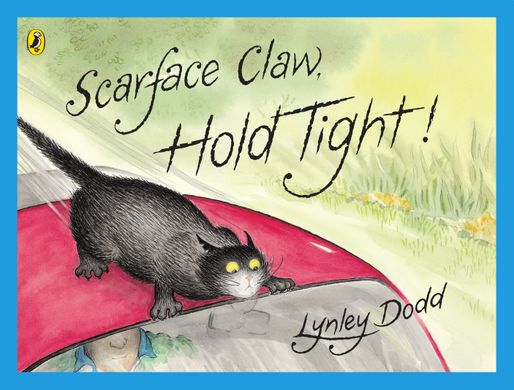
This time last year (2017) my family and I attended the book launch of the latest instalment in the Hairy Maclary (from Donaldson’s Dairy) series by Lynley Dodd. Hairy Maclary and his friends have been entertaining people, particularly younger people with an as yet undeveloped world-weariness, for 30 years. The latest book in the series is titled Scarface Claw, Hold Tight! and I’m left with some very important questions.
For those who aren’t aware, Scarface Claw is the toughest tomcat in the town where Hairy Maclary and his friends live. Which town this happens to be and the relative toughness of the other tomcats living there is not explored in any detail in the series, which could be regarded as an oversight. Scarface Claw has, on more than one occasion, threatened or utilised violence against the cats and dogs in town. This has seen scatters of paws and clatters of claws from Schnitzel von Krumm with a very low tum, Bitzer Maloney all skinny and bony, Muffin McClay like a bundle of hay, Bottomley Potts covered in spots, Hercules Morse as big as a horse, and Hairy Maclary from Donaldson’s Dairy.
Obviously, this nasty, violent, and abusive cat makes for an ideal protagonist in a children’s book. Scarface Claw, Hold Tight! marks the tomcat’s second outing as the hero.
This adventure sees our cranky and crotchety hero sunning himself on top of Tom’s car. Somehow, Tom manages to not see the rather large black tomcat sprawled on the roof of his red car and hurries off to somewhere very important – another detail unexplored by the narrative. Since this is the inciting incident of the story, you would expect it to be more believable. Are we to seriously believe that Tom doesn’t notice old Scarface? As we soon discover, literally everyone else in the town notices Scarface Claw clinging to the roof of the car, so either Tom should be required to acquire prescription lenses for driving or he knew Scarface Claw was there all along.
That Tom knowingly drove around town with a cat on his roof is not inconceivable. Scarface Claw has a long and infamous history, particularly amongst the resident town pets, so mistreatment of the tomcat may be a common occurrence. It may be that this mistreatment is what makes Scarface Claw the nasty cat he is. Maybe with extensive therapy, Scarface Claw could become a lovable and friendly cat who would be invited to Slinky Malinky’s house in a tail waving line. We can only hope.
We also have to question why everyone in town noticed Scarface Claw clinging to the roof and wanted to “rescue that cat”. Presumably, the townfolk recognised Scarface Claw, so either they are more kind and caring than Tom – plausible given my previous points about potential mistreatment – or they are starved for excitement such that waving a sock at a driver with a cat on his car roof would make it into a lifetime highlights list. But that doesn’t excuse the next issue.
I know that many animal lovers would support the use of police and fire and rescue for animal emergencies, but you have to question Constable Chrissie’s response. Did the Constable honestly have nothing better to do with her time than pull Tom over? What laws has he broken? If Tom has broken some laws, why wasn’t he charged with an offence? And why didn’t she call for a licensed animal controller, such as the Ranger, instead of relying on the ever conveniently helpful Miss Plum?* Does Constable Chrissie suspect that Tom is an abusive pet owner and is wanting to compile a list for a potential animal welfare case?**
There are so many questions left unanswered, so many details not covered, that I am left at a loose end. I can only hope that future books in the series will address these issues in some way.
*Miss Plum has a long habit of helping the town pets out of their adventurous mishaps. She seems to always conveniently arrive in the nick of time. A more suspicious person would suspect that something more sinister is at play here. Is Miss Plum stalking the town pets? Is she behind the pets’ misadventures? Hopefully, these questions will be addressed in later instalments in the series.
**Or at least intervene where possible to stop animal abuse events.***
***And it is possible that Constable Chrissie keeps an eye on Tom and his activities – possibly Miss Plum does as well – because she suspects Tom’s animal abuse may morph into something more serious. Best to catch a killer early.
Biologists are gathering evidence of green algae (pictured here in Kuwait) becoming carbohydrate-rich but less nutritious, due to increased carbon dioxide levels. As science fiction becomes science fact, new forms of storytelling are emerging. Raed Qutena
I count myself lucky. Weird, I know, in this day and age when all around us the natural and political world is going to hell in a handbasket. But that, in fact, may be part of it.
Back when I started writing, realism had such a stranglehold on publishing that there was little room for speculative writers and readers. (I didn’t know that’s what I was until I read it in a reader’s report for my first novel. And even then I didn’t know what it was, until I realised that it was what I read, and had always been reading; what I wrote, and wanted to write.) Outside of the convention rooms, that is, which were packed with less-literary-leaning science-fiction and fantasy producers and consumers.
Realism was the rule, even for those writing non-realist stories, such as popular crime and commercial romance. Perhaps this dominance was because of a culture heavily influenced by an Anglo-Saxon heritage. Richard Lea has written in The Guardian of “non-fiction” as a construct of English literature, arguing other cultures do not distinguish so obsessively between stories on the basis of whether or not they are “real”.
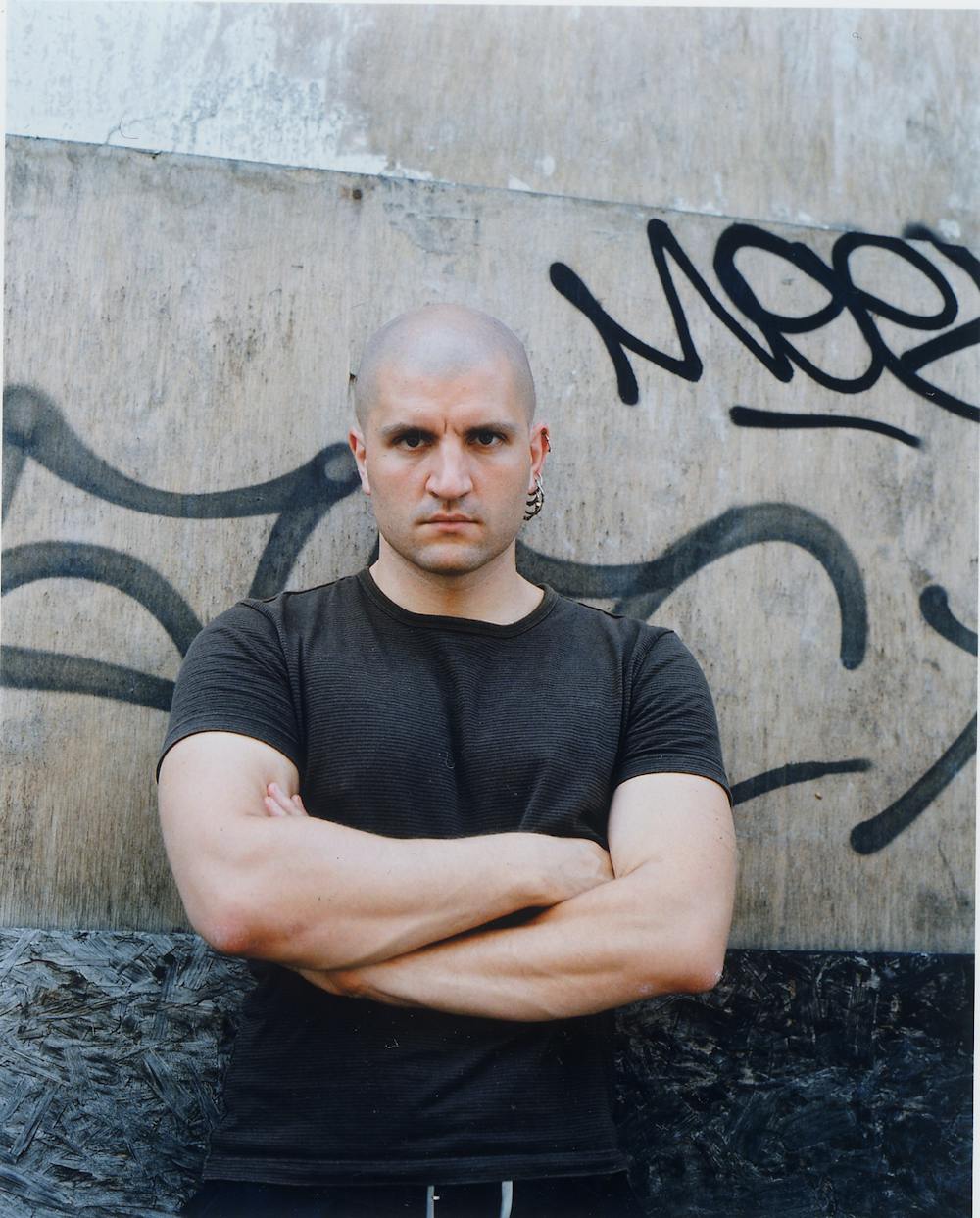
China Miéville in 2010. Pan MacMillan Australia/AAP
Regardless of the reason, this conception of literary fiction has been widely accepted – leading self-described “weird fiction” novelist China Miéville to identify the Booker as a genre prize for specifically realist literary fiction; a category he calls “litfic”. The best writers Australia is famous for producing aren’t only a product of this environment, but also role models who perpetuate it: Tim Winton and Helen Garner write similarly realistically, albeit generally fiction for one and non-fiction for the other.
Today, realism remains the most popular literary mode. Our education system trains us to appreciate literatures of verisimilitude; or, rather, literature we identify as “real”, charting interior landscapes and emotional journeys that generally represent a quite particular version of middle-class life. It’s one that may not have much in common these days with many people’s experiences – middle-class, Anglo or otherwise – or even our exterior world(s).
Like other kinds of biases, realism has been normalised, but there is now a growing recognition – a re-evaluation – of different kinds of “un-real” storytelling: “speculative” fiction, so-called for its obviously invented and inventive aspects.
a much larger collective conviction about who’s entitled to tell stories, what stories are worth telling, and who among the storytellers gets taken seriously … not only in terms of race and gender, but in terms of what has long been labelled “genre” fiction.
Closer to home, author Jane Rawson – who has written short stories and novels and co-authored a non-fiction handbook on “surviving” climate change – has described the stranglehold realistic writing has on Australian stories in an article for Overland, yet her own work evidences a new appreciation for alternative, novel modes.
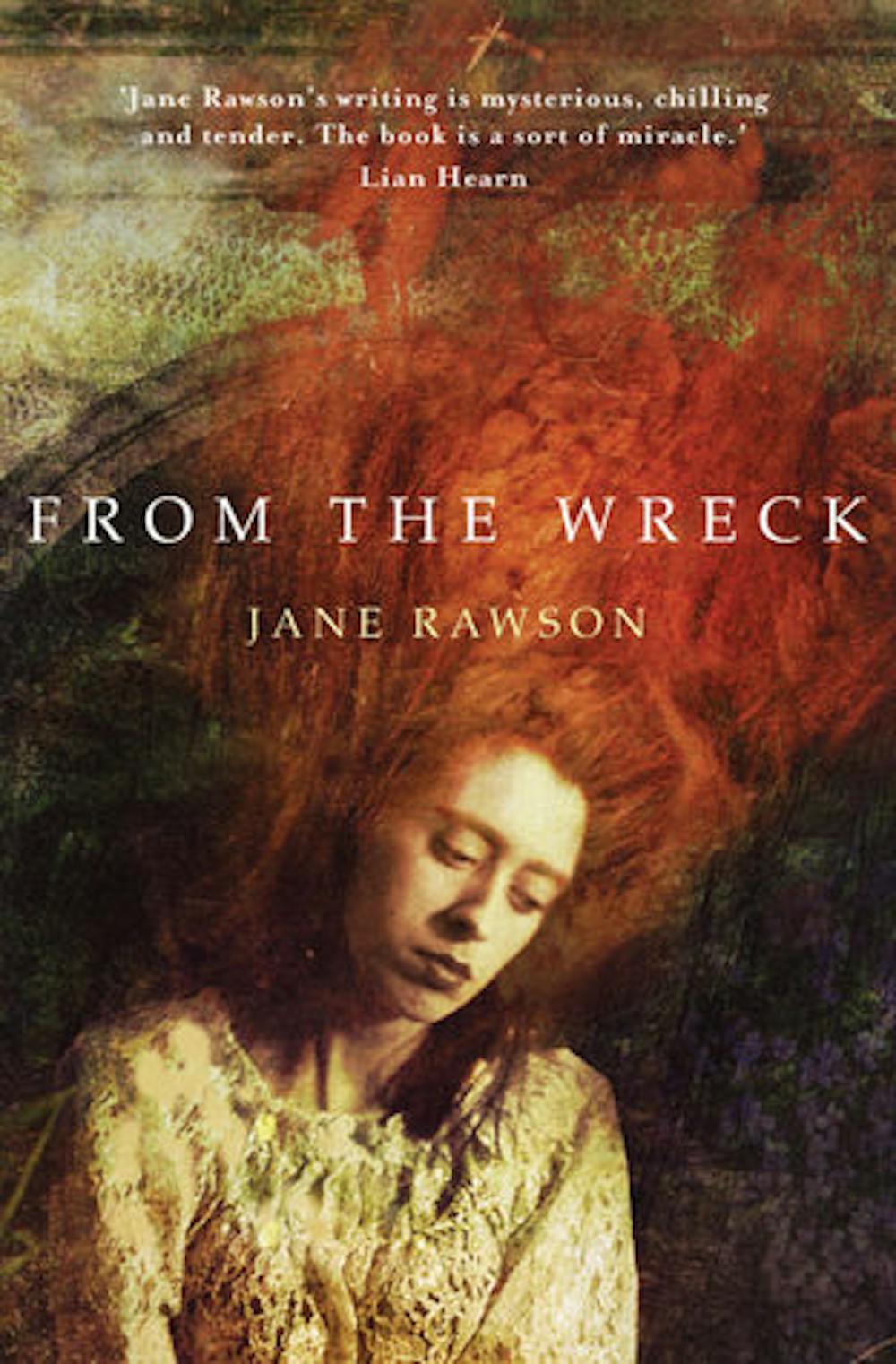
Rawson’s latest book, From the Wreck, intertwines the story of her ancestor George Hills, who was shipwrecked off the coast of South Australia and survived eight days at sea, with the tale of a shape-shifting alien seeking refuge on Earth. In an Australian first, it was long-listed for the Miles Franklin, our most prestigious literary award, after having won the niche Aurealis Award for Speculative Fiction.
The Aurealis awards were established in 1995 by the publishers of Australia’s longest-running, small-press science-fiction and fantasy magazine of the same name. As well as recognising the achievements of Australian science-fiction, fantasy and horror writers, they were designed to distinguish between those speculative subgenres.
Last year, five of the six finalists for the Aurealis awards were published, promoted and shelved as literary fiction.
A broad church
Perhaps what counts as speculative fiction is also changing. The term is certainly not new; it was first used in an 1889 review, but came into more common usage after genre author Robert Heinlein’s 1947 essay On the Writing of Speculative Fiction.
Whereas science fiction generally engages with technological developments and their potential consequences, speculative fiction is a far broader, vaguer term. It can be seen as an offshoot of the popular science-fiction genre, or a more neutral umbrella category that simply describes all non-realist forms, including fantasy and fairytales – from the epic of Gilgamesh through to The Handmaid’s Tale.
While critic James Wood argues that “everything flows from the real … it is realism that allows surrealism, magic realism, fantasy, dream and so on”, others, such as author Doris Lessing, believe that everything flows from the fantastic; that all fiction has always been speculative. I am not as interested in which came first (or which has more cultural, or commercial, value) as I am in the fact that speculative fiction – “spec-fic” – seems to be gaining literary respectability.
(Next step, surely, mainstream popularity! After all, millions of moviegoers and television viewers have binge-watched the rise of fantastic forms, and audiences are well versed in unreal onscreen worlds.)
One reason for this new interest in an old but evolving form has been well articulated by author and critic James Bradley: climate change. Writers, and publishers, are embracing speculative fiction as an apt form to interrogate what it means to be human, to be humane, in the current climate – and to engage with ideas of posthumanism too.
These are the sorts of existential questions that have historically driven realist literature.
According to the World Wildlife Fund’s 2018 Living Planet Report, 60% of the world’s wildlife disappeared between 1970 and 2012. The year 2016 was declared the hottest on record, echoing the previous year and the one before that. People under 30 have never experienced a month in which average temperatures are below the long-term mean. Hurricanes register on the Richter scale and the Australian Bureau of Meteorology has added a colour to temperature maps as the heat keeps on climbing.
Science fiction? Science fact.
A baby Francois Langur at Taronga Zoo in June. François Langurs are a critically endangered species found in China and Vietnam. AAP Image/Supplied by Taronga Zoo
There is an infographic doing the rounds on Facebook that shows sister countries with comparable climates to (warming) regions of Australia. But it doesn’t reflect the real issue. Associate Professor Michael Kearney, Research Fellow in Biosciences at the University of Melbourne, points out that no-one anywhere in the world has any experience of our current CO2 levels. The changed environment is, he says – using a word that is particularly appropriate for my argument – a “novel” situation.
Elsewhere, biologists are gathering evidence of algae that carbon dioxide has made carbohydrate-rich but less nutritious. So the plankton that rely on them to survive might eat more and more and yet still starve.
Fiction focused on the inner lives of a limited cross-section of people no longer seems the best literary form to reflect, or reflect on, our brave new outer world – if, indeed, it ever was.
Whether it’s a creative response to catastrophic climate change, or an empathic, philosophical attempt to express cultural, economic, neurological – or even species – diversification, the recognition works such as Rawson’s are receiving surely shows we have left Modernism behind and entered the era of Anthropocene literature.
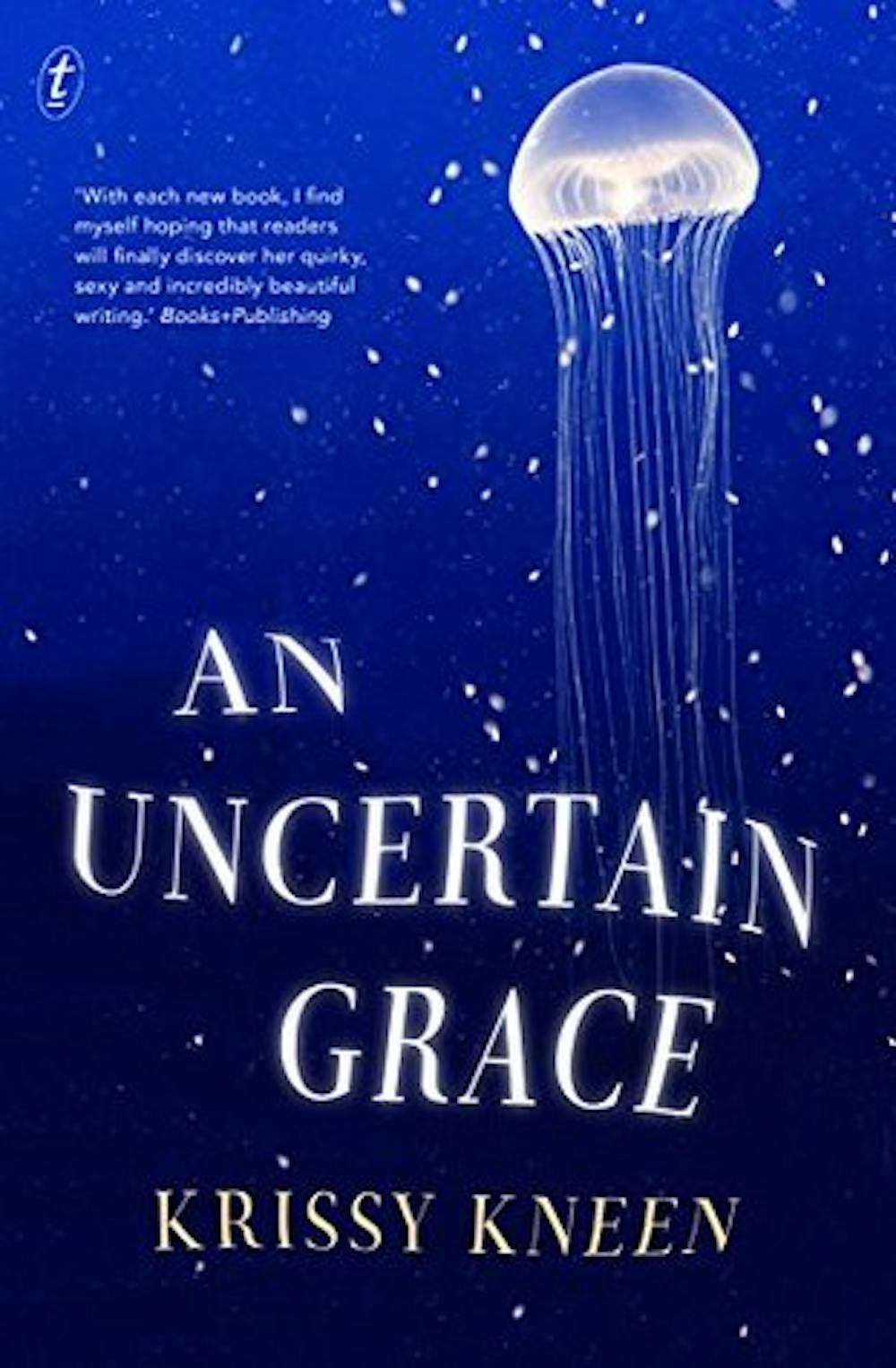
And her book is not alone. Other wild titles achieving similar success include Krissy Kneen’s An Uncertain Grace, shortlisted for the Aurealis, the Stella prize and the Norma K. Hemming award – given to mark excellence in the exploration of themes of race, gender, sexuality, class or disability in a speculative fiction work.
Kneen’s book connects five stories spanning a century, navigating themes of sexuality – including erotic explorations of transgression and transmutation – against the backdrop of a changing ocean.
Earlier, more realist but still speculative titles (from 2015) include Mireille Juchau’s The World Without Us and Bradley’s Clade. These novels fit better with Miéville’s description of “litfic”, employing realistic literary techniques that would not be out of place in Winton’s books, but they have been called “cli-fi” for the way they put climate change squarely at the forefront of their stories (though their authors tend to resist such generic categorisation).
Both novels, told across time and from multiple points of view, are concerned with radically changed and catastrophically changing environments, and how the negative consequences of our one-world experiment might well – or, rather, ill – play out.
Catherine McKinnnon’s Storyland is a more recent example that similarly has a fantastic aspect. The author describes her different chapters set in different times, culminating – Cloud Atlas–like, in one futuristic episode – as “timeslips” or “time shifts” rather than time travel. Yet it has been received as speculative – and not in a pejorative way, despite how some “high-art” literary authors may feel about “low-brow” genre associations.
Kazuo Ishiguro in 2017. Neil Hall/AAP
Kazuo Ishiguro, for instance, told The New York Times when The Buried Giant was released in 2015 that he was fearful readers would not “follow him” into Arthurian Britain. Le Guin was quick to call him out on his obvious attempt to distance himself from the fantasy category. Michel Faber, around the same time, told a Wheeler Centre audience that his Book of Strange New Things, where a missionary is sent to convert an alien race, was “not about aliens” but alienation. Of course it is the latter, but it is also about the other.
All these more-and-less-speculative fictions – these not-traditionally-realist literatures – analyse the world in a way that it is not usually analysed, to echo Tim Parks’s criterion for the best novels. Interestingly, this sounds suspiciously like science-fiction critic Darko Suvin’s famous conception of the genre as a literature of “cognitive estrangement”, which inspires readers to re-view their own world, think in new ways, and – most importantly – take appropriate action.
A new party
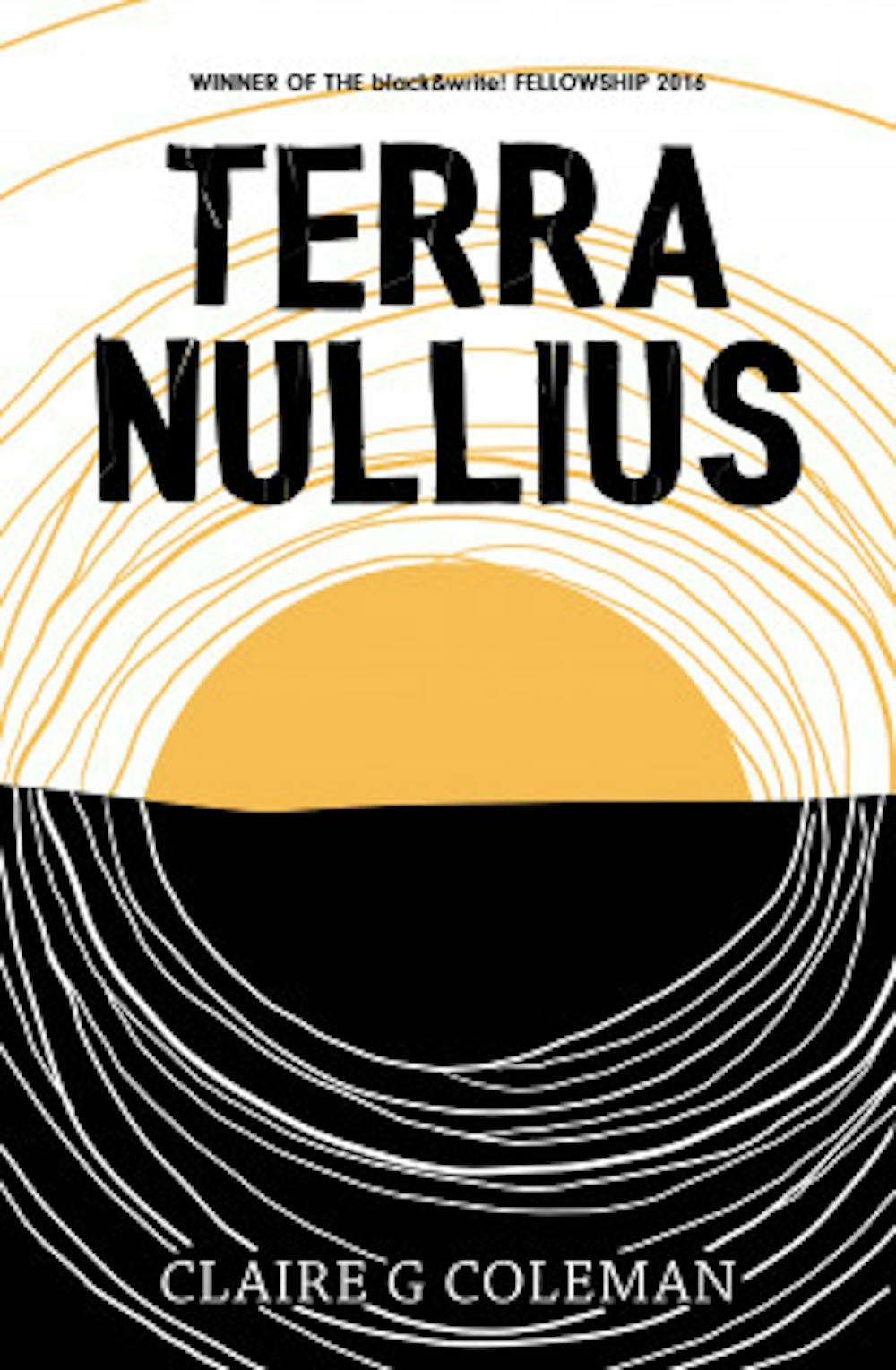
Perhaps better case studies of what local spec-fic is or does – when considering questions of diversity – are Charlotte Wood’s The Natural Way of Things and Claire Coleman’s Terra Nullius.
The first is a distinctly Aussie Handmaid’s Tale for our times, where “girls” guilty by association with some unspecified sexual scenario are drugged, abducted and held captive in a remote outback location.
The latter is another idea whose time has come: an apocalyptic act of colonisation. Not such an imagined scenario for Noongar woman Coleman. It’s a tricky plot to tell without giving away spoilers – the book opens on an alternative history, or is it a futuristic Australia? Again, the story is told through different points of view, which prioritises collective storytelling over the authority of a single voice.
“The entire purpose of writing Terra Nullius,” Coleman has said, “was to provoke empathy in people who had none.”
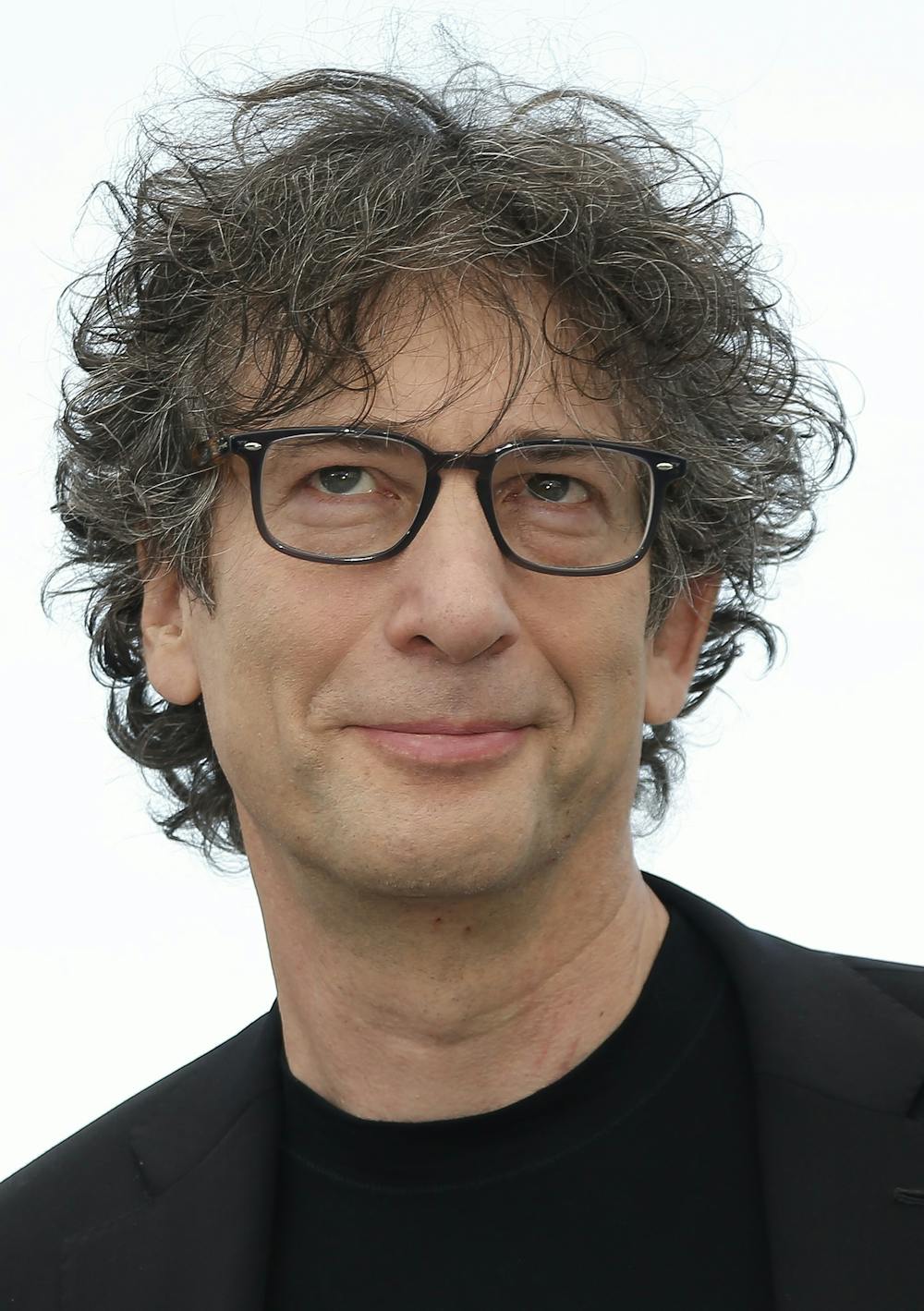
This connection of reading with empathy is a case Neil Gaiman made in a 2013 lecture when he told of how China’s first party-approved science-fiction and fantasy convention had come about five years earlier.
Neil Gaiman. Julien Warnand/EPA
The Chinese had sent delegates to Apple and Google etc to try to work out why America was inventing the future, he said. And they had discovered that all the programmers, all the entrepreneurs, had read science fiction when they were children.
“Fiction can show you a different world,” said Gaiman. “It can take you somewhere you’ve never been.”
And when you come back, you see things differently. And you might decide to do something about that: you might change the future.
Perhaps the key to why speculative fiction is on the rise is the ways in which it is not “hard” science fiction. Rather than focusing on technology and world-building to the point of potential fetishism, as our “real” world seems to be doing, what we are reading today is a sophisticated literature engaging with contemporary cultural, social and political matters – through the lens of an “un-real” idea, which may be little more than a metaphor or errant speculation.
If you received a dollar for everytime someone said “X business is a license to print money” you’d have the first instance of that statement being true.
On the day before the Dragonfly Festival in Bleak Harbor, Danny Peters goes missing. Pete Peters, his stepdad, is having a quick beer after work at his medicinal marijuana shop before he and Danny go fishing when he receives a strange text message. Carey Peters is halfway through her long commute, thinking of her work problems, when she receives the message. At first, they aren’t sure if Danny has run off again or if something more sinister has happened until they receive the photo. But which of their secrets has gotten Danny in trouble?
From the very start, we see that this mystery will be built upon the layers of secrets Danny’s parents have been keeping. The twists and turns this gives us are tightly woven together. Pete and Carey feel like painfully human characters stumbling through life and now stumbling through the disappearance of their son. Danny is a refreshing and interesting portrayal of someone with autism, steering clear of the usual cliches and errors.
But I really did find it hard to engage with this novel. I liked Danny, but Pete and Carey weren’t particularly interesting or charismatic. It is hard to follow along with their trials and tribulations when you just want to slap them and tell them to talk to one another. As a result, it was hard to give this more than three stars despite how well the mystery was structured and the book was written.
I received an advance review copy of this book in exchange for a fair review.
Given the title, you’d think at least one person would be strangled in this story.
Former Wimbledon contender and now tennis club pro, Chuck Chandler, has moved to Key West after sleeping with the wrong person’s wife. Learning from his recent lesson, he starts sleeping with someone else’s wife. This does not end well and he’s soon in the frame for murder. A retired NYC homicide detective, Tommy Sculley, is seeing out his days as the Key West detective training a local rookie. He thinks there is more to this murder than Chuck’s philandering would suggest. A lot more.
In my efforts to explore my local library’s offerings, I came across NYT Bestselling Author Stuart Woods. I didn’t really have any expectations and was rewarded with as much. The twist was something I figured out before the first murder. Admittedly, I didn’t pick the entirety of the finale, but those extra details were window dressing. Figuring out the twist that early would have been fine if the rest of the novel was more compelling, but it just wasn’t. An example of this is that the two main characters – Chuck and Tommy – aren’t particularly interesting. How can you make a philandering tennis pro boring?
To summarise, Choke was only okay. It was just interesting enough to keep you reading but once you’ve finished you can’t think of anything noteworthy about it. Well, except that the local tennis pro is probably trying to have sex with your wife.
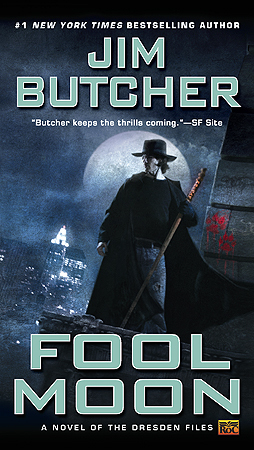
The chief said, ‘I’m going to need your badge, your gun, and your ability to turn into a werewolf.’
Harry Dresden is living on the memory of ramen noodles and hasn’t heard from his contact at the Chicago Police in ages. But with the full moon dawning, a spate of murders leads Lieutenant Murphy to call on his wizard skills. With the FBI sticking their nose in, Murphy under investigation, and a pack of werewolves on the prowl, Harry is up to his neck in trouble before the moon has risen.
Jim Butcher really does love to make Harry suffer. He is obviously a big believer in creating a large stack of insurmountable odds for each of Dresden’s adventures. This is both entertaining and frustrating. Entertaining because it keeps the suspense up. Frustrating because you kinda want there to be fewer fires layered under the frypan Dresden falls out of. Or to put it another way, you start asking, ‘Isn’t it time to kill the bad guys yet?’ Or to put it another way, the damned suspense nearly killed me.
This was another enjoyable Dresden adventure. I’m looking forward to my next one.
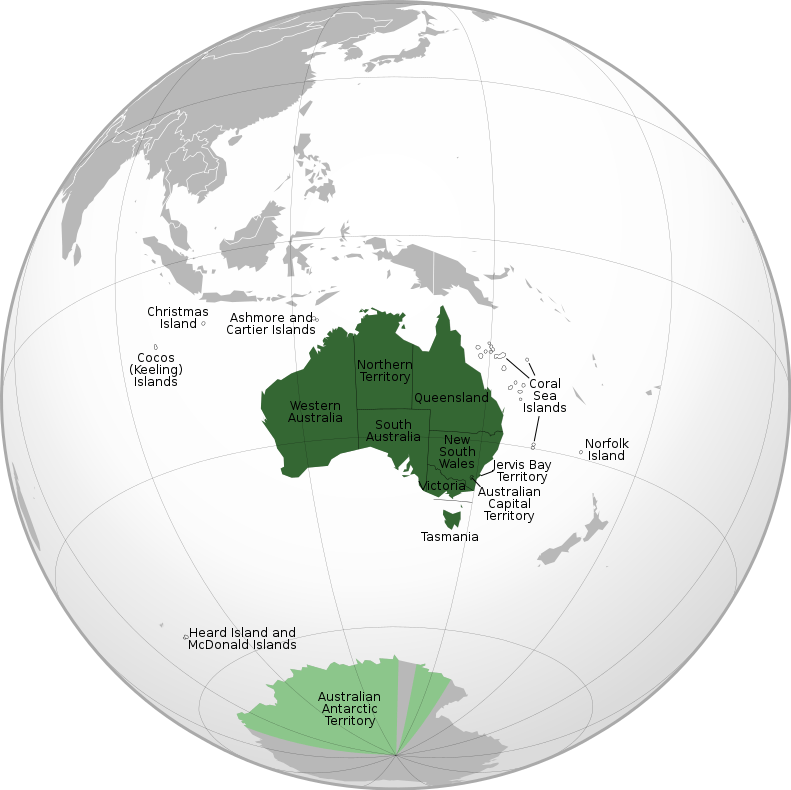
All of the Australian states and territories are famous, but for varying reasons. I’ll focus on the six main states and the two mainland territories, because I don’t know anything about the other places.
Australian Capital Territory (ACT): famous for being infested with politicians and bureaucrats. In keeping with tradition, the Aboriginal lands of Kamberra – meaning ‘meeting place’ – were stolen and renamed Canberra when we built our nation’s capital there.
New South Wales (NSW): famous for containing Sydney, the only Aussie city foreigners know, and the only part of Australia Sydney-siders think exists. Also, a great place for backpackers to rest for eternity in a state forest.
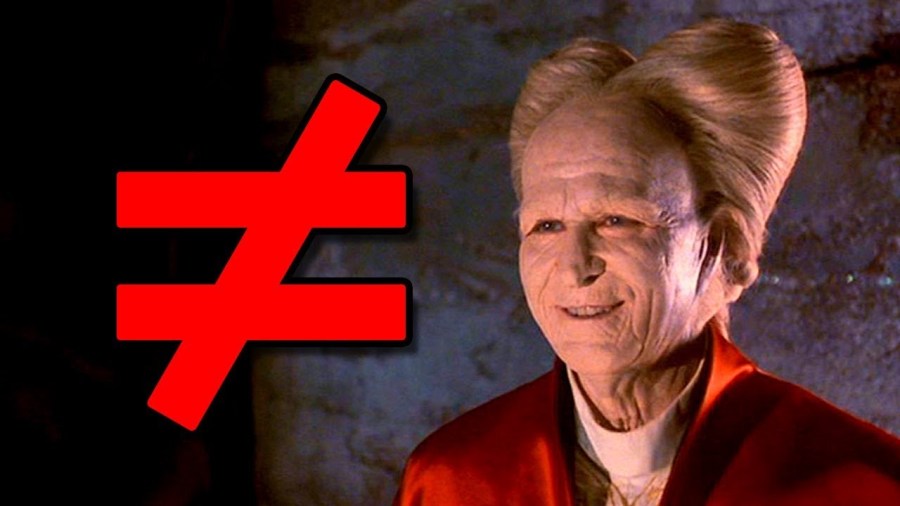
Since the annual American lolly festival is almost upon us, Cinefix is covering one of the classics. Bram Stoker’s Dracula and Francis Coppola’s 1992 Dracula.
Time for some straight talk. I don’t know how you discuss this particular adaptation without mentioning just how bad Keanu Reeves is in this film. Embarrassingly bad.
I actually tried to rewatch Dracula a couple of years ago and just couldn’t bring myself to sit through it all. Despite it being a bit of a who’s who of actors in the cast – and people like Tom Waits – it all feels so camp and silly. Even when I first saw it in high school, I remember Dracula being only average – with possibly the best visual explanation of the link between Dracula and Vlad the Impaler ever.
It is harder for me to talk about the book as I read it so long ago. And, let’s be honest here, I’ve since read way too many Anne Rice novels to not get the details confused. I read Dracula and Frankenstein at roughly the same time; because gothic horror novels are what pre-teen kids should be reading. Neither stood out for me as novels, but it is amazing how influential they have both been to genre fiction.
I wonder if there will be any modern equivalent. A novel that establishes an entire genre that is continuously reimagined, refined, and redefined such that we get analogues ranging from True Blood (coming out of the closet analogy) to Buffy (girl power).
‘Don’t do that! You’ll disturb the carpet people.’
The Munrungs have just had their village destroyed by fray, a natural phenomenon from above The Carpet. In the aftermath, Glurk and Snibril try to help their village flee the attacking Mouls, a people who regard all others as animals and rather good eating. It is then they realise that fray is pushing a path of destruction through The Carpet and that the Mouls are attacking every city and town in its wake. Can they save civilisation so that people don’t go back to hitting each other?
While I was reading this novel I kept having to remind myself that it was the heavily revised edition written by the 40-something Pratchett, not the 20-something of the original edition. This was Pratchett’s first novel and as an ode to fantasy fiction had just the right amounts of absurdism and humour, which I can’t see a 20-something nailing. If Pratchett was this good out of the gate then every other author would be left weeping into the keyboard. Hopefully, someone who has read both versions can point out the differences.
This is, of course, not a Discworld novel. Apparently, all reviewers have to point this out for some reason. As such, Pratchett’s style, particularly his satire, is less pronounced here. While I thoroughly enjoyed reading The Carpet People, for long-time Discworld fans this may feel a little light or insubstantial. Or maybe they just feel guilty about having vacuumed their house.
Recently my family went to the Paw Patrol movie. My youngest is a (relatively) big fan and as a result, I found myself finally sitting down and watching a complete Paw Patrol adventure. And I’m left with some very important questions.
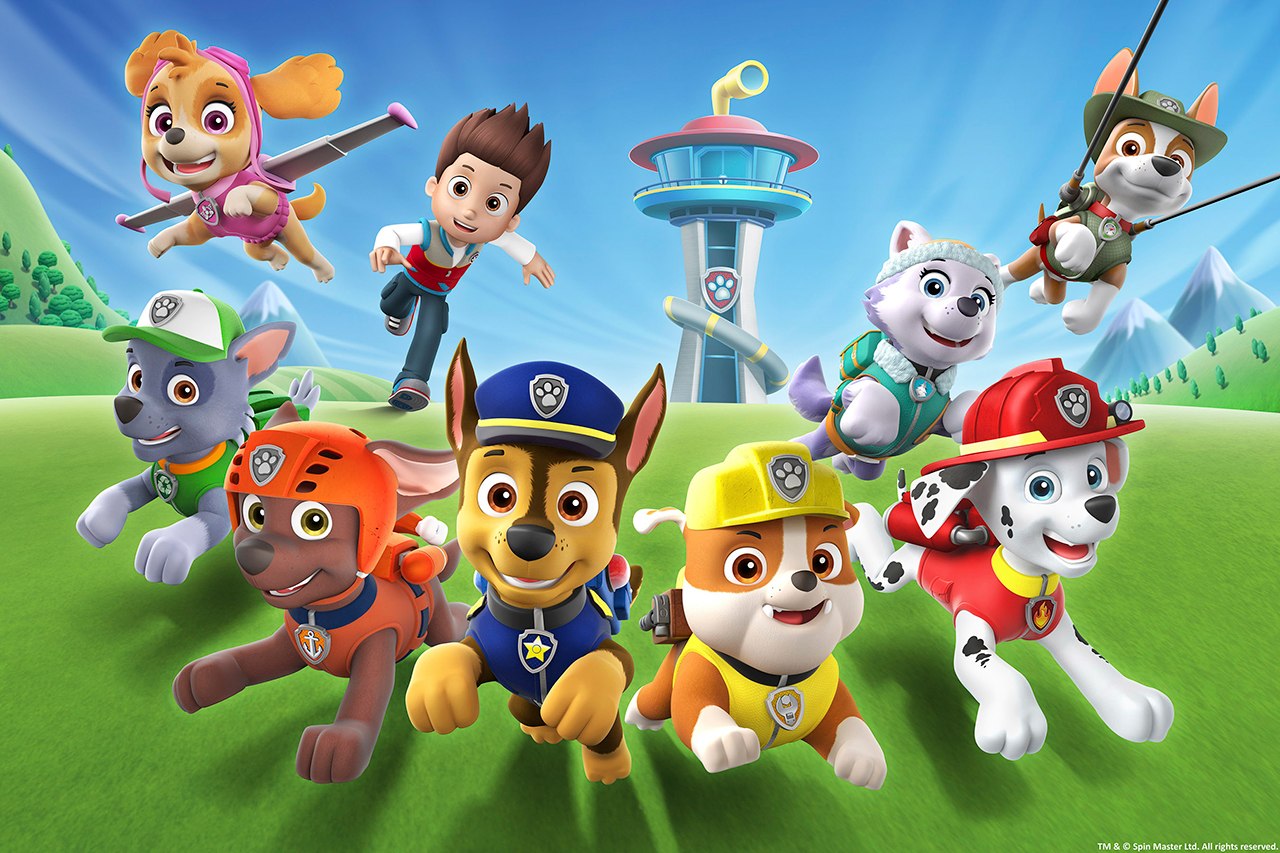
For those who aren’t aware, Paw Patrol is a rescue team that spans police, fire, construction, recycling, aquatic, and aviation – with later seasons adding snow and forest services and a robotic helper. This rescue team are based in the aptly named Adventure Bay and run by Ryder and his team of puppies.
Oh, was that not clear? The rescue team are composed of puppies with a series of catchphrases and dog houses that convert into vehicles. These catchphrases are very important to the show as they comprise roughly 60% of each episode; there is very little new content in any given adventure.
Ryder
“No job is too big, no pup is too small!” Chase
“Chase is on the case!” Marshall
“I’m fired up!” Skye
“Let’s take to the sky!” Rocky
“Don’t lose it, Reuse it!” Rubble
“Rubble on the double!” Zuma
“Let’s dive in!” Everest
“Ice or snow, I’m ready to go!” Tracker
“I’m all ears!”/”Todo Oidos!”
This brings me to the crux of the issue with Paw Patrol. Adventure Bay is riddled with people in need of rescue, and in later seasons there are even nefarious plots by royalty and rival mayors to cause havoc. So it is odd that this bustling town has decided to entrust major rescue efforts, law enforcement, and fire management to a 10-year-old and his team of puppies.
I’m not sure it is wise to allow Ryder to operate with such autonomy given his age. And as much as the pups have proved themselves capable, surely they are also too young and inexperienced for such important roles.* You have to question who allowed Ryder to establish the Paw Patrol and why he is allowed to continue.
Obviously, it helps that the mayor – one Mayor Goodway and her purse chicken Chickaletta – are often in need of assistance due to their own incompetence. This would certainly make Ryder and his pups endearing to Goodway. She seems willing to overlook Ryder’s repeated risk-taking and near catastrophic failures, even when it inspires others to wreak havoc. Would this fly in any other town?
Ryder also seems to have a suspiciously large amount of resources for a 10-year-old. The custom transforming dog houses are a marvel of technology that must have cost a fortune to make. Even if we are to believe that Ryder builds them all himself, this would require funds from somewhere, and knowledge that would have any tech company begging him to come and work for them. But new adventures see new technology introduced, seemingly overnight. Where does Ryder find time to design, engineer, and build aerial, submersible, etc, versions of equipment for his pups?** And when did he find time to be on the cutting edge of robotics and AI to create a robotic assistant dog?
I would contend that Ryder’s activities are not as altruistic as first appears. He seems to have infiltrated Adventure Bay and bribed his way to power using money and goodwill. The mayor looks the other way whilst he trains a team of puppies to do his bidding. His recklessness is all fun and games for the moment, but we will no doubt see Ryder’s true colours when one of the rescues fails and he has to show accountability.
Let us hope that on that day his puppies are able to be true heroes and save Ryder from himself.
*Sidenote: what happens when they are no longer puppies? Do they age out of the Paw Patrol team? Are they suddenly unemployed? Are there nearby towns/cities that take dogs with transforming dog houses, or are they abandoned to become strays? Will we one day see former Paw Patrol members return to Adventure Bay as bitter and twisted dogs bent on exacting revenge upon their former master who abandoned them?
**And I haven’t even touched on his ability to defy the laws of physics with some inventions. E.g. Marshall seems to have an unlimited supply of fire suppressant in a backpack that he can comfortably carry. Is it powered by as yet undiscovered physics, or does it tap into a well of magic? Why isn’t he sharing this technology with the world?
Update: According to reliable news sources, Chase has been in an officer-involved shooting. It has been confirmed that Zuma, the black Lab, was shot 17 times in the back after Chase mistook Zuma’s bone for a gun.
ABS brakes were the first step. The last will be us humans in observation cages next to the monkeys.
Jerry Kaplan is an expert in Artificial Intelligence and Computational Linguistics and attempts to guide the reader through what impacts AI and Robots will have on our future. In doing so, he raises many of the economic, ethical, and societal problems we are going to have to start addressing.
I first became aware of this book via CGP Grey’s short documentary of the same name (see below). To say there is a storm coming is an understatement. Kaplan guides us through the technological aspects of this topic with knowledge and skill. Where this book falls down is in his blind adherence to free-market solutions – ironically whilst pointing out several examples of where the free-market has failed in the past.
For example, some of his ideas about education are problematic. What he proposes with “job mortgages” is essentially traineeships and cadetships* that in my parents’ and grandparents’ generations were paid for by employers, with his modern twist being that employees should take out a job mortgage for. In other words, all of the cost and risk is moved from employers to employees.** How can anyone suggest that sort of thing as though they aren’t talking about slavery or indentured servitude?*** Sci-fi has been imagining that sort of scenario for decades and they weren’t calling it a good idea.
His comments about how rich people being in charge isn’t all bad, like back in ancient Eygpt… Because monarchies worked so well for everyone, who was a monarch.
Another gem was the idea that the free market could be in charge of wealth redistribution… Because it does such a great job of that right now. Now, in fairness, his plan was actually pretty good, but there were built in assumptions he didn’t really question despite laying out the framework with his discussion of automation taking our jobs.
Kaplan spent most of his book outlining what amounts to a post-scarcity world, a world where human “work” would essentially cease to exist, and thus cost, value and products become meaningless. How can you maintain our current economic system in that world? Don’t we need to be rethinking about what utopia we wish to design and the machines that will make that happen?
The final chapter has some interesting questions and ideas about what role humans can play in a world that the robots run and own. Whilst the ideas aren’t new, since science fiction has been prodding that topic for the best part of 70 years, he has grounded them in reality. If there is one takeaway from this book, it is that we all need to start planning the future now.
Overall, this was a fascinating book that is well worth reading.
* A point he acknowledges he is updating to be free-market and more “beneficial”…
** It could be argued that this has already happened and Kaplan is just taking it one step further.
*** Again, a point he acknowledges with reference to AIs becoming free of ownership.












 Tyson Adams