I’m not going to review this book. It’s a few thousand years old, I don’t really have anything to add.
What I found interesting about this book was what it got wrong. Obviously Aristotle is one of the most influential thinkers of all time, he was one of the earlier people to grapple with determinism (Democritis and Leucippus got there first). But in Aristotle’s arguments on the Four Causes and the Four Elements, it was interesting that he rejected Leucippus’ and Democritus’ Atomism, a theory that was ultimately proven correct. Which got me to thinking.
How would anyone describe fire – one of the four elements – without our modern knowledge? How would we explain or seek to understand (rationalise) the workings of fire without chemistry, physics, and all of that other knowledge we take for granted?
Reading the arguments melding the four causes and elements into an understanding of change and decay in the modern age, it is easy to point and laugh. Stupid philosophers can’t science! But as I was reading I realised I could counter the arguments only based upon the accumulated knowledge of the natural world. If I was to remove that knowledge and just go by observation, could I do better? The answer is clearly no. At best I could come up with different, but probably not better. Because I’m definitely in the same league as one of the greatest thinkers of all time….
This realisation then had me thinking about how we don’t value our modern age and modern knowledge as much as we should. As Douglas Adams noted, we are surrounded by wonders of technology and science, but could we explain it and rebuild it, or would we have to settle for being a sandwich maker from the stars?
If AI essentially become gods does that make humans the prime mover?
Thorvald Spear died 100 years ago in the war with the Prador. Fortunately, this is the future, so death is less final than it used to be. But Spear is less than happy with how he died at the hands of the black AI, Penny Royal, and decides to destroy it. Along the way he manages to piss off Isobel Satomi, who has also got a carapace to pick with Penny Royal. So she adds Spear to her list of things to destroy. Meanwhile, Penny Royal is up to something, and everyone wants to know what.
This was my first outing with Neal Asher and his Polity universe. Asher was recommended to me by a fellow blogger – Bookstooge – so I found this recent series in the library. There is much I enjoyed about this book, and by extension the universe Asher has created. The details that give this universe a lived in feel, the cyberpunk sensibilities, the interesting sci-fi technology, are all fantastic. The story and characters are also interesting. So why only 3 stars?
There were two things that really stopped me enjoying this novel more: the length; and the anachronisms.
Sci-fi has a habit of being long because someone decided that that was okay for spec-fic genres. Dark Intelligence made me notice that this was a long book. Usually if you are really enjoying a book, the length goes unnoticed. So I had the sense that there was too much padding, unnecessary exposition, and side plots. It all fits together nicely, but I’m sure that this could come in much shorter without losing anything.
The second problem I had was with the constant anachronisms. Sounds being described as like a domino being slapped on the board… because dominoes is so popular right now, let alone a few centuries into the future. The Polity universe is filled with hyper-intelligent AIs that can do just about anything… but apparently cars still need a human to drive them. Tesla had that covered two years ago. After noticing one anachronism the floodgates opened, to the point where I started to question if this was Asher having a joke. But I doubt this is the case, since he criticised Greg Bear for doing the same thing in a book review.
Perhaps I’ll enjoy The Skinner more, which Bookstooge originally recommended.
Do you like comics? I’m not talking about movies based on comics. I’m not talking about comic fandom that can only be solved Utopia style. I’m talking about the art of storytelling that only the mix of art and narrative can manage.
How Utopia deals with comic fans:
I have previously discussed how some fail to give due respect to comics and graphic novels. The TL/DR is that literary snobs don’t like non-worthy genres to be discussed. I mean, how dare someone dilute words with pictures! Yet the comic format allows for a form of storytelling that other mediums would love to have. Literally showing can condense a novel to a few dozen pages whilst retaining all of the important details, as I discussed in my review of the Parker comics. Text can be used in a way that neither movies nor novels can utilise. An example is the way authors construct their ideas into sentences, paragraphs, and chapters to transition between ideas and moments. When you add the visual artwork you can add effect and impact to those transitions, ideas, and moments. You can’t do that in other mediums. Well, unless you’re Edgar Wright merging movies and comics.
The way the art is used to tell a story is an often overlooked aspect of comics and graphic novels. This is despite the fact that the art is their most distinguishing feature. That and the impossible physiques covered in spandex.
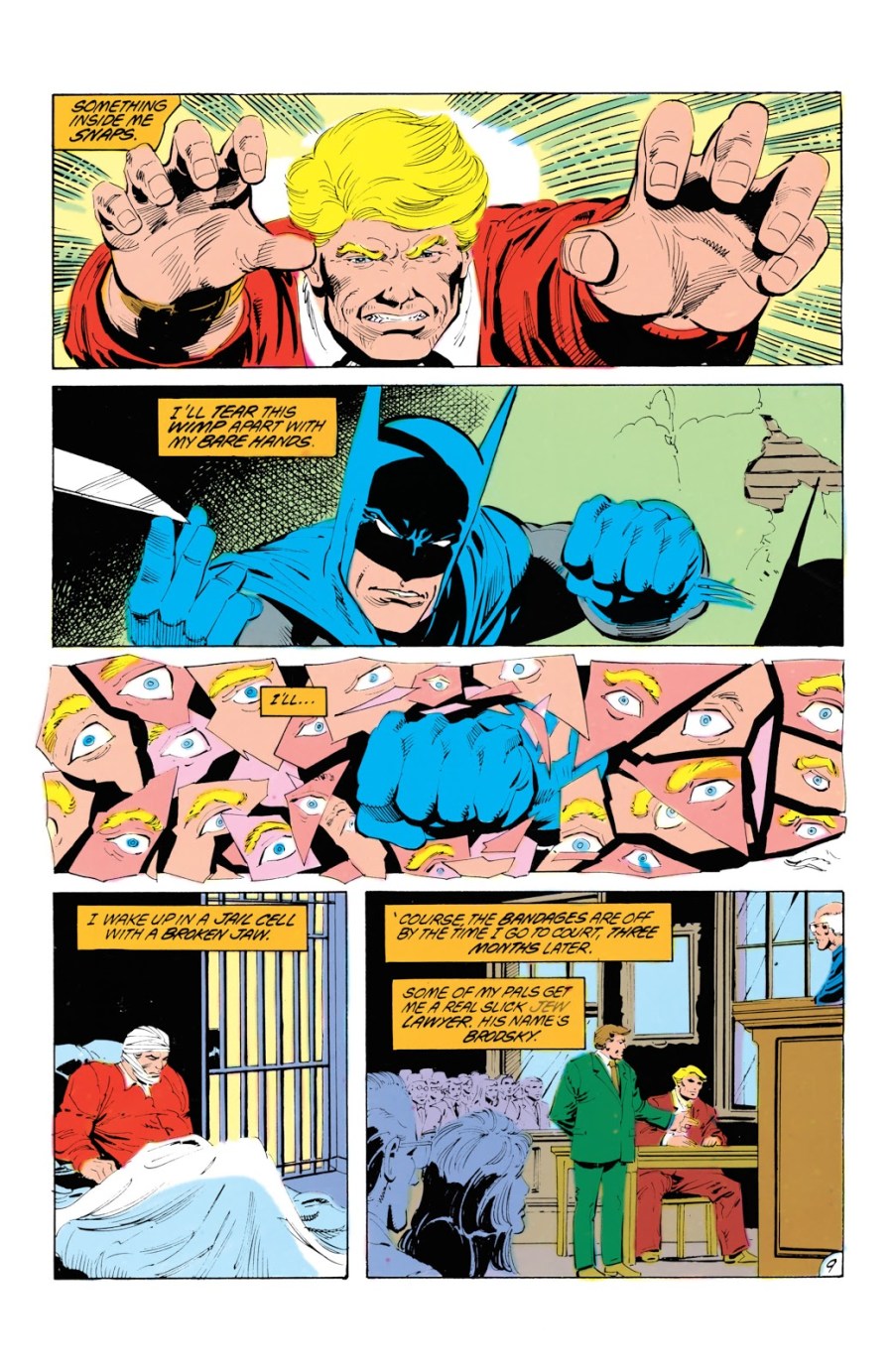
As an example, I’d like to share a page from a comic I bought when I was 10.* On this page is a panel that has stuck with me as an example of the combination of art and narrative. Comics can do this so easily. It would make movies jealous – unless they have the CGI budget. No big illustrated fight scene. No words like ZAP or KAPOW as a blow is struck. And within the context of this larger story, the minimalism is an important narrative device.
Obviously, this is just one example that lead to my formative appreciation of the comic book medium.* As much as many formative appreciations of comic books are based around the erotic artwork… sorry, lost my train of thought.
For another example of the combination of art and story, Nerdwriter made a particularly good video discussing Maus and how it is constructed as a story and piece of art. Every frame, every image, the whole page, has meaning.
When it comes to discussing the literary and artistic merit of comics the discussion often never moves past the capes, spandex, and insecurity inducing bulges. Some articles have argued that if we let graphic novels into literature we have to let in everything. They must defend Fort Literature from the invading Lesser Works. But comics are far more than the superficial observations of those dismissing them.
Well, at least I think they are cool.
*Please appreciate this post. It took me ages to figure out which comic I had owned. During high school, we were asked to bring in a comic book to be part of a creative writing project in English class. The class never eventuated and the comics were never returned to us. As a result, I couldn’t remember the details of this comic, and since there are a lot of Batman comics, it took a lot of effort to track down.
This also opened an old wound created by that high school English class. The wound of crushed creativity. The promise of being taught creative writing that went unfulfilled for decades. But thank goodness we got to learn how to write essays about ee cummings in Lit class instead.
Last week I reblogged an article about some new research into what makes us creative. This week I’m sharing a video from one of my favourite YouTube channels, which essentially covers the same work. But this one is a video!
Since this is going to be a three part series, I’ll update this post as the other videos are released.
Two months ago (November 2017) the Western Australian Government released its Writing Sector Review. Okay, most of the readers here are international, so you’re probably shrugging your shoulders and reaching for an atlas – atlases are still a thing, right? But after my recent post on support for the arts (I was in favour as long as the support was for all authors, not just those deemed worthy/literary enough), I thought this review highlighted many of the same points and might be interesting.
Okay, that’s probably my West Aussie bias talking. But if it is a problem, just mentally substitute your local area name in place of Western Australia. The points raised appear to be universal. Well, Earthiversal. Well, Writerversial.
The Department of Culture and The Arts had nine recommendations in their report:
Recommendation 1: Maintain current levels of State Government funding to the writing sector This point is at odds with the rest of the list. Lots of new stuff to fund but no extra funding to go with it. But I guess this is why they are writers and not economists.
Recommendation 2: Create a hub for writing and creative thinking at the State Library of Western Australia building This makes sense, especially if this extends resources out to the larger library network in the state. And a coffee machine, this needs a coffee machine to be a creative hub.
Recommendation 3: Conduct a distinctive annual Western Australian Premier’s Book Awards The Western Australian Premier’s Book Awards This is something that used to happen but became biennial. I’ll have more to say on this point, mark my words.
Recommendation 4: Use investment in the writing sector to achieve synergies with existing Statewide library services to extend and enhance community engagement in the reading of Western Australian writers Honestly, why wasn’t this already a thing? “Sorry, we don’t have room for you West Aussie authors on the shelves, James Patterson just published 12 new books.”
Recommendation 5: Foster professional development for writers to enable them to navigate the increasingly complex areas of rights and multimedia opportunities This is already available, but an expansion would be welcome news to all of the state scribblers. The isolation of Western Australia from the rest of Australia, let alone the rest of the world, is something that needs to be addressed. I wonder if there is a worldwide… network that could be used in some way to facilitate this.
Recommendation 6: Foster an environment to maximise the potential of Western Australian writers to be published Like reminding the rest of the world that we exist. Or giving us decent internet. Or a can with a string attached.
Recommendation 7: Enhance data collection about Western Australian writing to provide benchmarks and evidence for policy development Enhance? Starting would be good. As noted in the report, the Australia Bureau of Statistics stopped collecting data in 2003-04. Also great to see a report admitting they didn’t have evidence to base their recommendations upon.
Recommendation 8: Provide support for screenwriting and playwriting Aside from all of those tax breaks that film and theatre already get….
Recommendation 9: Establish writer-in-residence opportunities at National Trust properties (Source) This is a specific focus thing about promoting literature with a local history emphasis. I’m sure that will make someone happy. Like sleep medicine specialists.
The overall emphasis of the report is that Western Australia isn’t a cultural backwater yet it is treated as one. So the state government should do something about that by promoting locals writers, local stories, and more people to wear neck scarves and beret caps.
This is very similar to the calls from The Guardian last month, which I covered in my recent post, Literary Fiction in Crisis. The government should be doing more to support, develop, and nurture artists. The publishing industry is somehow not being asked to do this. Apparently, they are all tapped out, and definitely not owned by the biggest and most profitable media organisations.
There are a couple of big assumptions built into this report. The first most obvious one is that Western Australia isn’t a cultural backwater. Having lived here my entire life, I can confirm we are a backwater, and not just culturally. I think we need to accept this fact. Maybe if we grabbed a couple of cold beers and watched some sport it would help us get over ourselves.
The second big assumption is that writers in Western Australia are worth funding. Why? What exactly is the government trying to promote with this funding? Is there a return on investment intended? These things aren’t really defined, just asserted as true. Now, don’t get me wrong, everyone loves a government handout, just ask the banks who nearly destroyed the world’s economy. But I’d like to think that this funding is a bit better justified than it appears.
The other big assumption is that support should be directed at literary works. This is a common theme to these reports and the articles I discussed previously. The report recommends the Premier’s Book Awards be annual again, which they want to be used to promote West Aussie authors and Western Australia as a successful writing habitat – possibly with the inclusion of an emphasis on “emerging” and “developing” authors. I note that they aren’t proposing to support genre authors, nor have awards to promote them.
Why wasn’t there a conclusion that the Premier’s Book Awards should include Spec-Fic, Crime, Thriller, Romance, and YA segments? Are these not worthy? Do these genres lack enough subplots about recovering from cancer and relationships with cats? Because we can fix that.
As I noted in my Literary Fiction in Crisis piece, we could acknowledge that arts are an important aspect of our culture and support ALL artists with grants – not just the “important” literary ones. The initiatives that are meant to grow and sustain the writing sector always seem to be only for part of the writing sector. IF writing is to receive government assistance then it would be nice to see it not playing favourites without some damned good justifications. Until then it appears that some animals are more equal than others.
Edit: A recent article touched on a point about art vs sport and the taxation of people in those fields in Australia. Interesting what we promote as important.
5.1 CONCLUSIONS
In framing initiatives that will grow and sustain the writing sector, the following issues arising from the research and consultation process have influenced the consultants’ advice.
The creative process – the act of writing – is severely hampered by lack of time and money
Market development is a critical issue for everyone working in this sector in Australia, and one which WA needs to address with some urgency. WA’s isolation from decision-makers and peergroups exacerbates this
Proximity to Asia and the alignment of significant time zones offers a considerable opportunity for WA writers (and to the creative industries in WA more generally)
Market forces are causing publishers to become more conservative and mean they are not building writers careers in the same way. How is this gap to be filled?
Collaboration between allied and sometimes competing parties is an emerging model in Australia and internationally. With the disruption of internet and digital technologies there is a greater need for publishers to cooperate and negotiate with other firms, including competitors, or others such as games, software and media companies in order to create new products.
For emerging and small publishers, distribution can be a major hurdle
Self-publishing without an experienced guiding hand is a minefield for new writers
While authors still seek traditional publisher relationships there has been an increase in publishing innovation and technology driving new models. Australian publishers are experimenting across digital platforms with changes to royalty and subscription agreements, and providing free ebook downloads which helps make niche publishing projects viable
Digital opportunities are encouraging a more direct relationship between writers and readers, publishers and readers, booksellers and readers
Sales opportunities in the digital marketplace do not fundamentally alter the economics of publishing but have provided more opportunities for scholarly publishers
The WA writing sector is supported by a range of community-based writers’ centres, facilitating organisations and by writingWA
Throughout WA there are also 231 public libraries which provide a nexus for writers and readers in a geographically challenging state.
There is a strong regional literary festival culture in regional WA – often initiated or supported by the public library. Geraldton, Kununurra, Avon Valley, Broome, Margaret River and Mandurah Festivals are all initiatives of, or have strong links with, their public libraries, and funding from DCA, DRD and Royalties for Regions, delivered via writingWA
The history and capacity for publishing Aboriginal stories by Aboriginal people is a strength of WA writing
There is a need to increase the diversity of voices and participants in the writing community
Recent and current infrastructure developments, plus the proposed reconfiguration of SLWA offer opportunities for increased writing-based activity and activation
Changes to governance arrangements at Screenwest and its greater emphasis on the telling of WA stories offer opportunities for writers
This is an interesting short video featuring Suzy Jackson, voice artist, recording an audiobook at Audible Studios.
Joanna Penn has also interviewed a number of people on her podcast about audiobooks, which are worth listening to.
I’m quite the fan of audiobooks. Being able to read a book while I’m exercising or commuting has been a life changer for me. There is something about having headphones in that stops people interrupting you to ask what you’re reading. Sorry, not stops, but certainly lowers the number of interruptions.
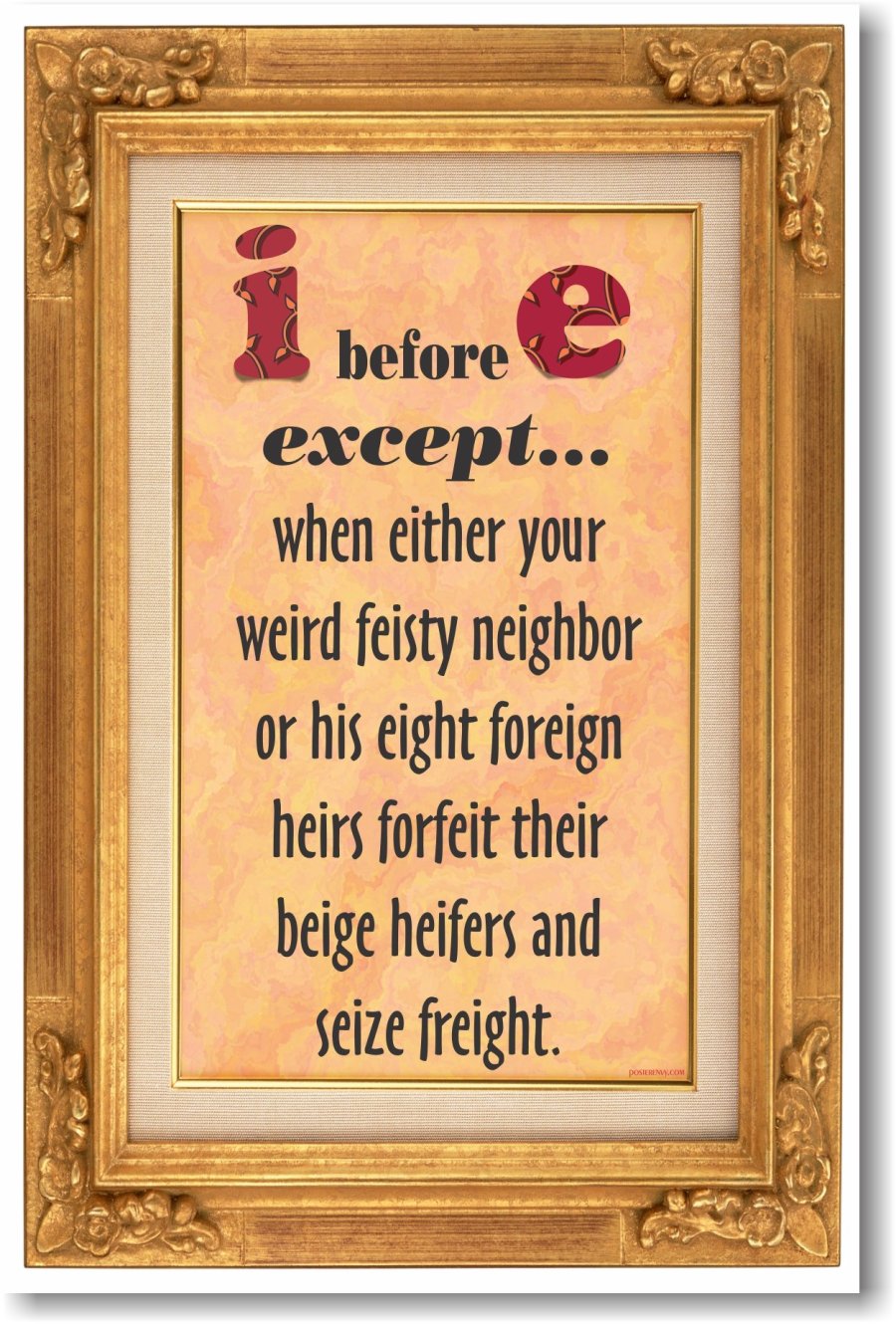
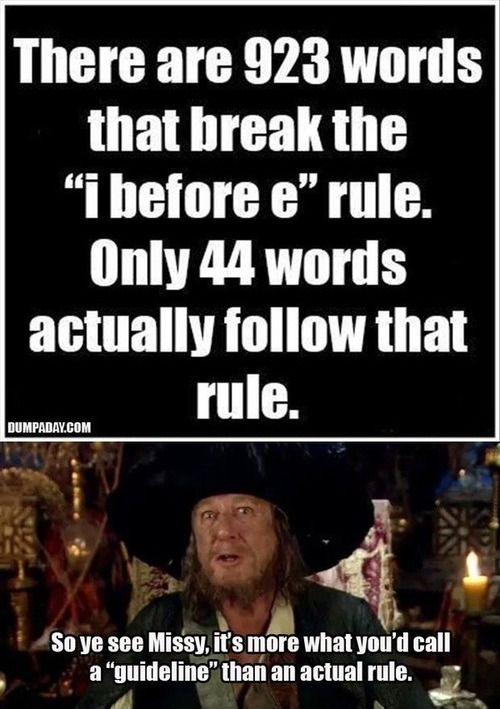
That’s right. Never trust anything the grammarians say, with their “rules” and mnemonics.
Apparently the 923 words figure comes from a QI fan who crunched the numbers from Scrabble. Most of the words are more obscure, so the rule is probably okay for the average person, and invaluable to football commentators.
Literary Fiction in Crisis was the headline lede for a series of articles in The Guardian last month. Long known as a balanced and inclusive arts publication (/sarcasm) they sought to highlight a serious problem and a solution for literary fiction.
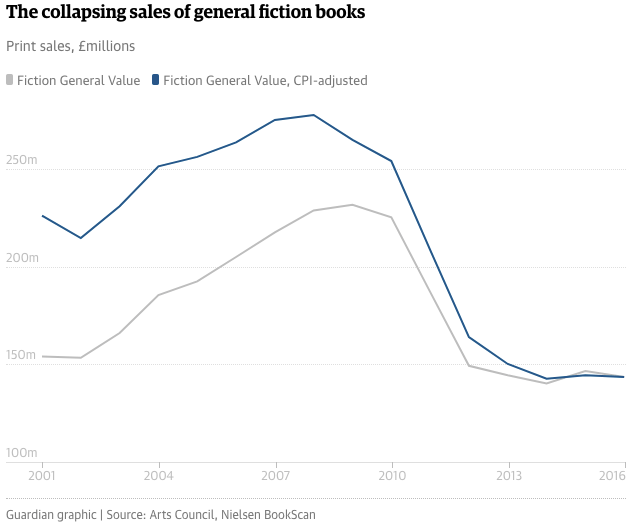
In case you haven’t heard, people aren’t reading literary fiction. Book sales are dropping. I covered this in my post on Australian Fiction, and US Fiction, and the Guardian article covered the UK figures in its first piece in the series.
Let’s try not to think too hard about sales being in value terms and not volume. I mean, ebooks aren’t usually priced cheaper or anything and would hardly contribute to this revenue figure whilst being more profitable. Clearly, we need to get onto blaming the real culprits. Stupid kids these days are playing Tweeters and Facepage instead of buying books.
One reason suggested by the report for the decline in literary fiction sales is the recession, happening at the same time as the rise of cheap and easy entertainment. “In comparison with our smartphones, literary fiction is often ‘difficult’ and expensive: it isn’t free, and it requires more concentration than Facebook or Candy Crush,” the report’s authors write.
Won’t someone thinking of the starving artists!!
The researchers looked at the 10,000 bestselling fiction titles over the last five years and found: “Outside of the top 1,000 authors (at most), printed book sales alone simply cannot provide a decent income. While this has long been suspected, the data shows unambiguously that it is the case. … What’s more, this is a generous assessment. After the retailer, distributor, publisher and agent have taken their cut, there won’t be a lot of money left from 3,000 sales of the 1,000th bestselling title. That we are returning to a position where only the best-off writers can support themselves should be a source of deep concern.”
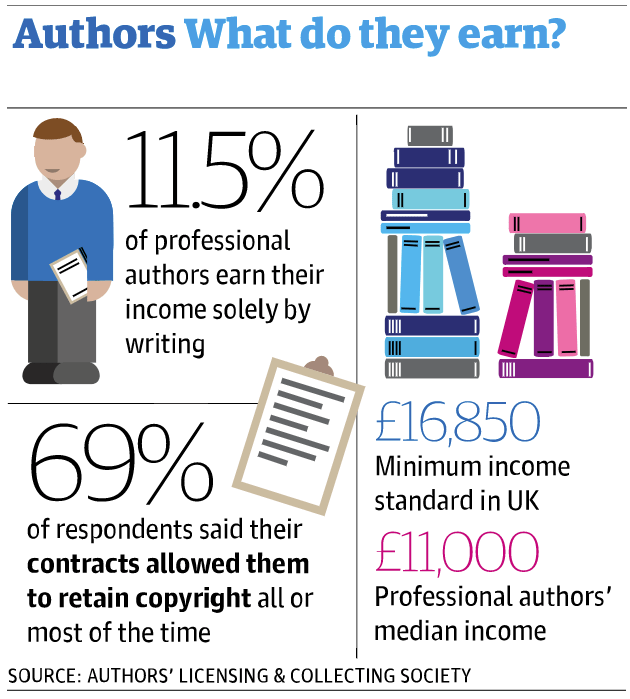
OMG, you’re telling me that artists have to have day jobs?* Oh the humanity! Surely this must be a new thing… Unless it has literally always been a thing. If only there was a graphic somewhere that could highlight the proportion of authors who make a living writing…
The second article covers some of the same ground before highlighting a couple of important points.
This continuity imperative has long been built into the foundations of commercial publishers, who expect many of their most successful writers to cough up a book a year. And as publishing has become more centralised, with much of its power now concentrated in three giant conglomerates, it has become more ruthless.
The brutal truth is that through the 1980s and 90s it was possible for the literary novelist to make a living on advances that didn’t “earn out”. They were supported by an old-fashioned value system that sanctioned the write-off of losses for the kudos of association with an “important” writer and a belief that literary value could be offset against the profits of more pragmatic publishing.
These points are ones which are not made often enough. In an industry that runs on the work of part-timers (88.5%), the proceeds to these employees are decreasing, the time commitments are increasing, and the investment in their careers is decreasing. Where are the three articles criticising this problem?
Of course, we need to steer the ship away from that iceberg of issues. The second article instead makes the argument that the UK Arts Council should fund more authors (and let’s assume the implication is that other governments around the world should do the same).
Unlike the performing arts, publishing has always been a largely commercial sector that has had to square its own circles. This is reflected in the fact that it gets only 7% of the funding cake handed out by the Arts Council, compared with 23% to theatre and 11% to dance.
Personally, I want to see Arts Council funding to be decided in a Thunderdome. It would be great to see starving artists facing off against one another for grants. The fit and agile dancers doing battle against the people who spend all day sitting and typing. They could stream it on Pay Per View and raise some extra arts funds.
There will be those who argue that this just shows that literary fiction is a hangover from the past, and the poor dears should knuckle down and resign themselves to writing what people actually want to read. But few would dare to make the same argument about experimental theatre or dance.
Yes, I’d argue this. And I would dare to make the same argument for theatre and dance. Thun-der-dome, Thun-dur-dome, Thun-der-dome!
The third article in this series makes just this argument – just to be clear, for writing what people want to read, not fighting in the Thunderdome. It doesn’t mince words and goes straight for the jugular.
This article goes on to imply that literary authors could put some effort into writing stuff people want to read, mainly via utilising compelling plots, which the author feels is a major flaw in literary works. I think he misses an important point. Authors can write whatever they want. But I do agree that authors can’t expect to earn a living from this unpopular writing, nor have people like it, nor have it be accepted as appropriate (e.g. racism). Pleasing a small club of literary snobs with worthy books doesn’t entitle authors to a full-time career.
Of course, nobody is proposing supporting genre authors. They aren’t writing important fiction and are thus not real authors. They deserve to starve! This is the main issue I have with the argument to fund literary fiction. Somehow we’ve glossed over all the authors who aren’t making a living writing genre, as though they have nothing to contribute to society, and are thus unworthy of arts funding. Admittedly, a very good study, mentioned in the second article, does show there are clear empathy differences between readers of genre and literary novels** – although why is still a question to be answered. So there is an argument to be made for literature support.
As I see it, there are a few paths we could tread. The reading industry could acknowledge that most authors are part-timers and do more to support this reality while they balance a day job with their art. Or we can acknowledge that arts are an important aspect of our culture and support ALL artists with grants – not just the “important” literary ones. This latter option could be easily and justifiably funded by taking government funding out of popular high-level sports – i.e. no more free stadiums for you football! Let’s just hope that sports don’t go up against arts in the Thunderdome.
*Side note: we could probably even refer to the artistic projects as the Side Hustle. This piece by Zen Pencils is quite good and captures the idea behind the author dream.
**Worth reading this paper, which I’ve linked directly. I expected this to be a small sample, poorly analysed, poorly reasoned, paper that was written to elevate snobbery with pseudoscience. It was actually a very solid study. Although, it is worth noting that literary merit was on a spectrum, so literary could be found in many titles. This included Raymond Chandler in the top third of literary titles, which surprised me (last spot was James Patterson, which should surprise no one).
Edit: A recent article touched on a point about art vs sport and the taxation of people in those fields in Australia. Interesting what we promote as important.
Edit: A Twitter thread about the origins of what we call literature versus genre caught my eye. The basic summary is that after the industrial revolution you had class divides between readers. Workers got to read one type of magazine, whilst richer managers (but not the capitalists) got a fancier magazine. The stories that were published in the fancier magazines became literary, whilst the rest was genre. So when I say that literature is based on snobbery, it is quite literally the snobbery of class divides in “Western culture”.
And yes, this Emu War actually happened. Roughly 20,000 emus migrated into the Eastern Wheatbelt area, discovering newly cleared farmland filled with crops and watering points for sheep. They liked this supply of food and water and were ambivalent toward the soldier settler (and other) farmers’ tough run of grain prices and droughts.
Since these were ex-soldiers facing ruin (from drought, grain prices, broken subsidy promises, and emus – blame the killer emus!), they liked the idea of using machine-guns (2 Lewis Guns) against the birds in the same way they’d used them against opposing infantry in WW1. This didn’t go anywhere near as well as expected. Emus are faster, harder to kill outright, and generally not running straight at a machine-gun embankment; so their casualties were low.
Two attempts were made at an emu cull, but ultimately the government decided to offer a bounty on emus instead. Later they went with the tried and trusted move of building a fence to keep the emus out of agricultural areas (along with dingoes, wild dogs, rabbits, kangaroos – although the latter laugh at attempts to build a fence they can’t jump over).
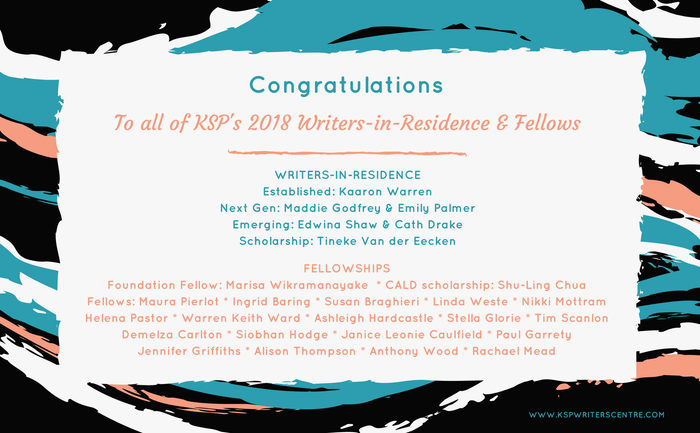
The Katherine Susannah Pritchard Writers’ Centre have announced their Writers-in-Residence and Fellows for 2018. I’ve been awarded a Fellowship to work on a satirical novel titled Evil Corp.
This will be a wonderful opportunity to have time and space to write. Here’s the blurb for the story:
Here at Evil Corp we have been successfully carving a path toward world domination for 15 years. With our dedicated staff we want to have you serve our every whim.
Your family deserves the security and friendly authoritarian rule that you could expect from an organisation like Evil Corp, but with the personal touches that only a caring and understanding community minded team can offer.
Have you bowed down to Evil Corp?
Update: The list of residencies and dates with author profiles are now available. I’m afraid it appears I’m the only one who didn’t take their profile seriously.
Everyone seems to be doing these Top 10 Posts listicles on their blogs, and I’m nothing if not a joiner.
Actually, that isn’t true. I’m not a joiner at all. But I do want to do a listicle. I’m not exactly sure why I want to do a listicle, but it is probably to do with procrastinating from doing something hard.
If we go by the blog stats, this was a pretty good year. 2016 technically had more visitors and views than 2017 (just), but it was buoyed by one post going viral in December. Every month for 2017 has outperformed 2016 in every metric (except of course the viral December post). I wrote 114 posts in 2017, 66 book reviews, had +25k visitors, and +30k views. Not huge numbers, but I’m pleased that the page is continuing to grow, especially in the areas of likes and comments. A big thank-you goes out to my followers and regular readers, new and old.
One of my trademark snarky Quora answers. Its popularity both last year and this year shows that I need to write more articles about Australian animals.
This is one of my older posts discussing the overblown coverage of shark attacks. I actually prefer the post I wrote a few years after this one, but probably need to revisit this topic with more recent stats. Which people can ignore in favour of the older post that pops up first in their search…
Finally, a post written in 2017 on the list. This is part of my long-running series that piggybacks on the CineFix videos. I do enjoy sharing the videos and discussing book adaptations.
And we’re back to posts from other years… This is one of my favourite book adaptation posts. When I first read The Bourne Identity I couldn’t get over how dissimilar the book and movie were. I didn’t understand why anyone would bother to pay the author money to proceed to not use their source material. Essentially, this book and movie are partly the inspiration for my discussions on book adaptations.
This article was a repost of a listicle, but unlike the original list, I’ve actually included links to references. Not that you’d know it since they have deleted the original.
After watching Vin Diesel leap a souped-up V8 over a decidedly murky shark-filled estuary, I felt the need to write this post. I wrote another more recently summarising the series thus far. This will probably become a regular series given people keep going to watch these films.
When I pitched this article the response was a deafening silence. I decided to write it as a blog post instead. It then became my most down-voted item on Reddit. Apparently, we don’t talk about sports negatively. Especially not if you back it up with facts. I’m glad people here have once again enjoyed it.
Here’s to 12,018: I hope everyone has a good year!
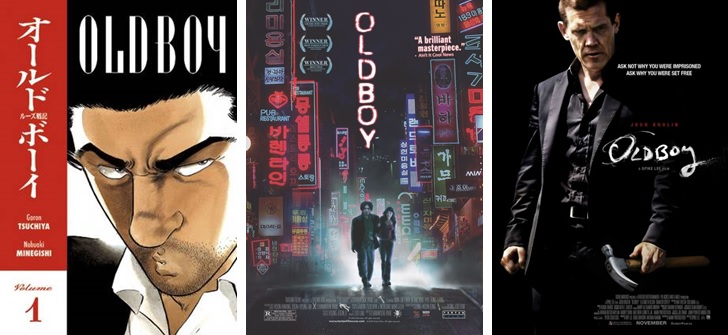
This month in CineFix’s series What’s the Difference? they cover Oldboy. Live octopus not included.
Not having read the Manga, I don’t really have much to add to the above video. The film is amazing. It redefined “off-the-wall” and managed to make it compelling watching.
Let’s not talk about the Spike Lee remake. Because it wasn’t very good. Although, because it is an American adaptation of a South Korean adaptation of a Japanese work, it can be interesting in an intercultural sense. This article is very interesting in that regard.
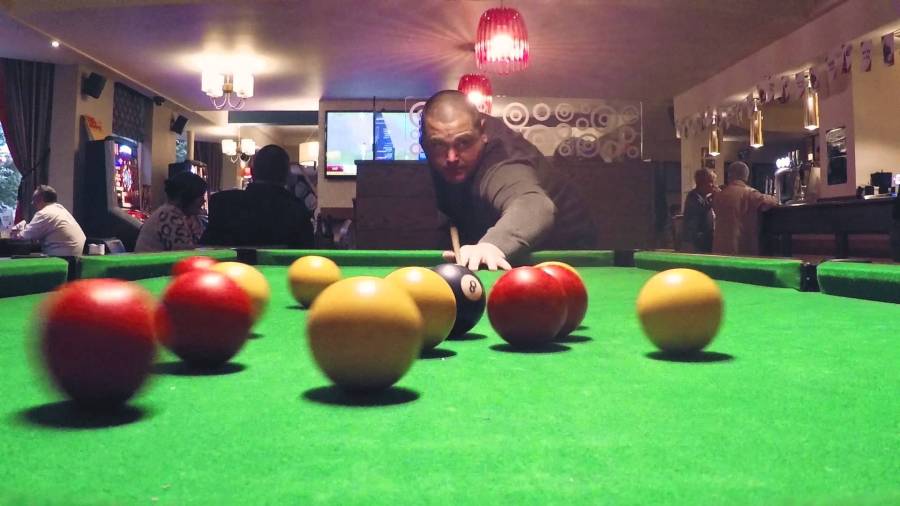
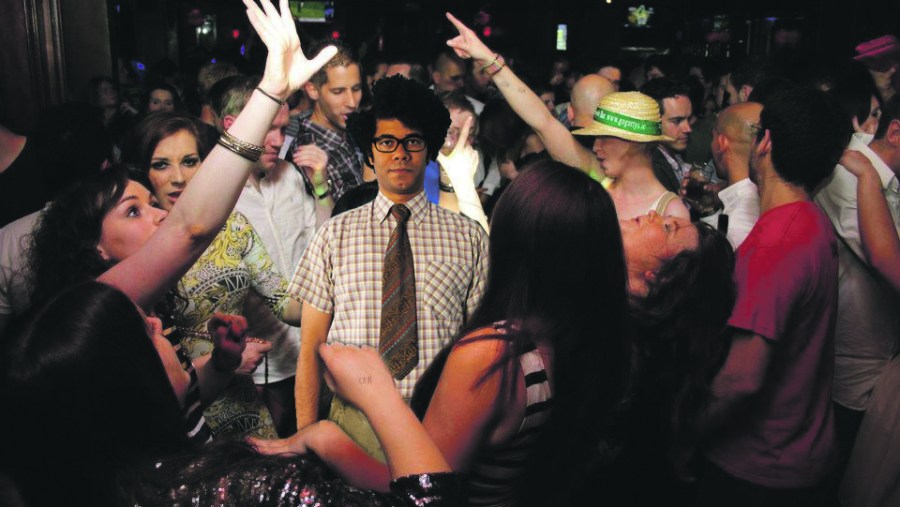
I’ve always been amazed at what a few quiet drinks at your local allows you to do. Alcohol imbues superpowers to all those who consume. Some of those powers are amazing, others are powers we’re glad we forget about the next day.
Play pool, snooker, or billiards
Eat a kebab
Find a kebab store
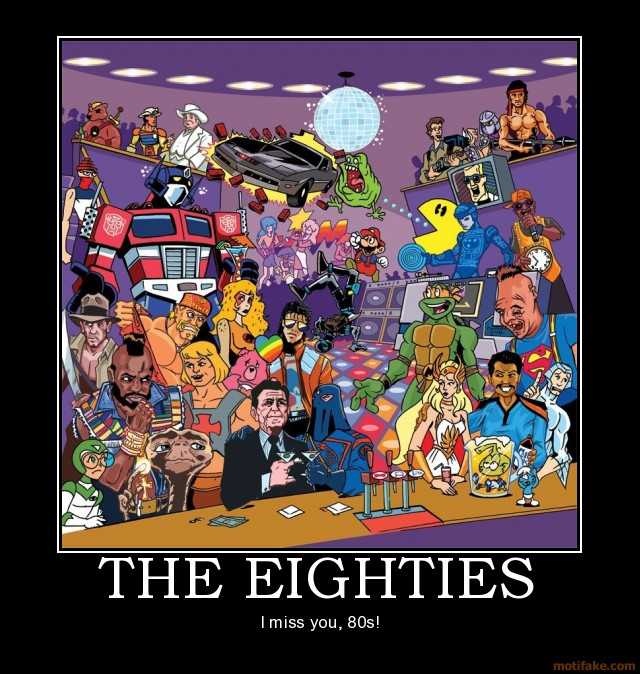
Listen to the greatest hits of the 80s
Go to a nightclub
Queue for a nightclub
Dance
Sing Karaoke
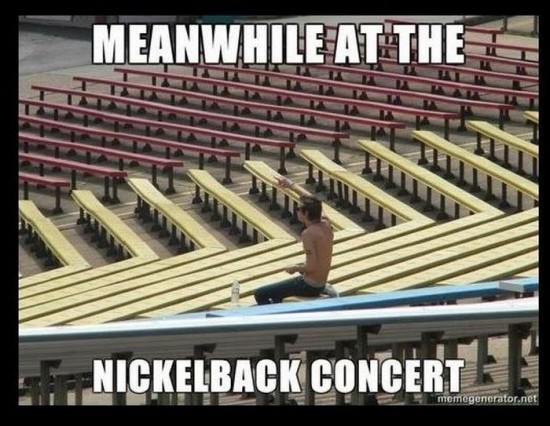
Not drop dead instantly from embarrassment from being at a Nickelback concert
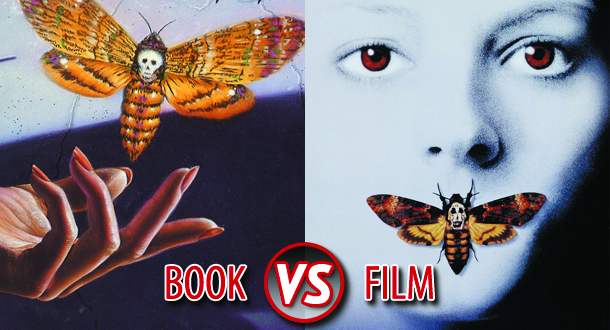
Do you prefer a Chianti or an Amarone to accompany human liver and fava beans? This month CineFix ask the question in their What’s the Difference? on Silence of the Lambs by Thomas Harris.
I’m going to be controversial here and say that the movie, Silence of the Lambs, was better than the book. That’s right. I’ll give you some time to warm up the tar and pluck the chickens.
That isn’t to say that the novel is bad, far from it. In my original reviews of Red Dragon and Silence of the Lambs, I noted that they were great stories, very interesting and layered (thematically, compositionally, etc), and gave us a charismatic villain for the history books. But I wasn’t a fan of the writing. Some passages were on point, especially some of the dialogue that was pretty much lifted straight into the movie, but other parts felt like they were letting down the team.
Compare that with the cinematic classic and you can see which one stands taller. The themes, particularly the sexism, are more subtle yet more omnipresent (camera angles and shot staging vs inner monologue). The tone of the film is brought to life, and how could it not be with Anthony Hopkins’ Lecter exuding menace and demonic magnetism, and the brilliant cinematography – the night vision scene is unmatched.
It’s a pity none of the movie sequels managed to capture the same magic. I’m yet to read the rest of the Hannibal Lecter novels, so it would be interesting to hear if they managed to continue the magic, or if they slowly drained of life with each thin slice.
Do you like backhanded compliments?
Do you like to make basic mistakes and misrepresentations of the entertainment industry?
Well, you’ll love this article by Nick Cohen.
The genius of bad books
By Nick Cohen
From James Bond to Jack Reacher, we’re suckers for an uncomplicated hero. But there is an art to the action novel, writes Nick Cohen
Anyone who believes the human race is rational should try introducing themselves to strangers as an author. You do not need to do it too many times before someone says, “I need to make money. I’m thinking of writing a bestseller.”
I may be early into my author career with only a handful of published short stories under my belt, but that does allow me to bragcomplain mention that I’m an author. Clearly Nick finds himself in the company of very different people to myself. Sure, the average person has a lot of misconceptions about being an author, just as I’m sure I have misconceptions about what it means to be a politician – they kiss babies to find the tastiest ones for dinner, right?
They do not understand that they have more chance of winning the lottery. Countless millions have written novels no publisher will touch. Of the thousands of hopeful thrillers, rom-coms and sex-and-glamour blockbusters published each year, only a few will sell 50,000 or more. Fifty thousand is only the capacity of fair-sized football stadium, but it is a more than respectable sale for a book. At the top of the pyramid are the genuine blockbusters: the few books that fly off the stands. And if those odds aren’t daunting enough to the person in front of you, clutching a glass and expecting fame and money, you need to tell them best-selling authors must have talent too.
Replace author with literally any other career path. Of the millions of scientists hopeful of winning a Nobel Prize only a few will ever win one. Of the millions of junior footballers only a few will ever be paid to play before a packed crowd in a football stadium. And of course, no Nobel Prize winner, nor any footballer would ever be accused of having talent. I hope no-one paid money for this article to be written.
To the educated, the idea that the airport thrillers I find myself picking up despite my better instincts are written by talented authors is absurd. It is their clumsy writing and formulaic plots that make everyone believe they can knock one out. They are not GK Chesterton’s “good-bad books” – the Sherlock Holmes or Jeeves and Wooster stories, which are read and loved after works that are more serious are forgotten. No one reads Alistair MacLean, Harold Robbins or Jackie Collins today. The fate of the airport novel is to be everywhere and then nowhere. Their authors flare and then vanish. I know it, so why do I, like so many others, still put aside worthwhile books for trash? No book sells in millions by chance. Their authors have something that readers cannot find elsewhere, or at the very least struggle to find elsewhere.
I really do take issue with the term airport thrillers and its sister term airport novels. There is an inherent invective in these terms as they are almost always used as a pejorative. The implication is that no-one would read these novels if they weren’t going to be bored out of their minds, stuck at 9,150 metres in a metal tube for endless hours. Whilst the descriptor is widely used and conjures to mind the sort of titles you see in airport bookstores, it is another version of the worthiness argument. Another defence of Fort Literature from the invading Lesser Works.
To start with the assertion that these are Lesser Works and then further asserting the evidence is in the “clumsy writing and formulaic plots” is fallacious. At a glance you could mistake this for an evidenced argument, but we’re just told this is the case. What Nick is actually complaining about here is the popularity of novels that are primarily written to be entertaining. It’s like saying that all TV dramas are rubbish because they aren’t super serious documentaries about WW2. But those two genres are trying to achieve two very different things, so of course they will have differing approaches.
“You can be 50 pages into a Jack Reacher novel before you realise you have already read it”
Sorry, is this pull-out quote meant to be an insult or compliment? Is this meant to suggest Lee Child’s writing is similar between books, or that you’re so wrapped up in the opening pages you don’t realise you’ve already read it?
Every time I finish a Jack Reacher novel, I wonder why I have wasted my time. The Reacher stories are like pornography. They grip you while you read them then leave you with a feeling of futility and shame at the end. Lee Child is so determined to churn out a book a year he recycles his plots: a particular favourite is the villain who organises an apparently crazed serial killing so the police never guess that he was only in cold-blooded pursuit of one of the dead. So similar are his stories that you can be 50 pages into a Reacher novel before you realise you have already read it.
I hate to break it to Nick (not that he is likely to read this) but there are only a handful of plots. Six story arcs. Even if you don’t look at the story arc and just at the plot premise you still don’t get many. Lee Child has written twenty-two Jack Reacher novels (to-date) so of course they are going to feel the same – I’ve even said as much in my review of Make Me. What Nick is actually complaining about here is that Lee Child unashamedly writes commercial fiction with the intention of entertaining rather than having more literary pretensions. I mean, how dare he!
Yet Child has sold more than 100 million copies because he has a talent beyond the ability to construct a convincing plot and describe action – skills which on their own are far harder to learn than those who breezily think they can write a blockbuster imagine. His hero can beat anyone in a fistfight. He loves guns and knows how to use them. He is strong, largely silent, entirely self-sufficient, clever, honourable and always on the side of justice. He never suffers a moment of doubt about the righteousness of killing wrong-doers, and he never needs counselling for post-traumatic stress disorder when he has dispatched them. Such men have been heroes from Homer through the knights of Arthurian legend to the cowboys of Hollywood’s golden age. They are almost entirely absent from today’s fiction, because our age regards men of violence with understandable wariness. Although the modern world is preferable in every respect to societies that mythologise warriors, there remains a yearning for the old heroes, and not just among male readers. Jack Reacher is a modern Hercules or knight errant. Child has found that readers respond to stories of violence without guilt in a world without complexity as enthusiastically as their ancestors did.
Highlighted a WTF? moment. Off the top of my head, I can think of a dozen bestselling thriller authors with at least one vigilante hero series. To suggest the vigilante hero – which Nick rightly pointed out dates back to the Ancient Greek myths – is somehow absent from modern fiction suggests Nick is ignorant of the topic he is writing on.
This point is illustrative of a very basic flaw with this attack on “airport thrillers”. He hasn’t even stooped to familiarising himself with the topic. As such, his article is the opinion of the uninformed. Kinda like saying Terry Pratchett was a hack when you haven’t read any of his books – but nobody would ever do something that stupid in a major news publication…
A decade ago, Stieg Larsson’s Girl with the Dragon Tattoo novels sold almost as well as Child’s novels do now. They have equally far-fetched plots. The most telling and unconvincing is the willingness of beautiful women to sleep with the shabby middle-aged journalist hero, who, strangely enough, sounds rather like Larsson. Granted, they are more thoughtful than the Reacher novels, but I would be astonished if they survived.
It is greatly insulting to compare Larsson to Child. The latter is a writer with very few peers. The former proved that anyone could have a bestseller if Oprah recommended it. And this isn’t just an assertion on my part, Lee Child isn’t just one of the bigger bestselling authors. Child manages to retain more of his readers with each instalment of his Reacher series than his peers. Where a John Grisham or Stephen King are getting 40% of their audience to read their next instalment, Patricia Cornwall manages 50%, and Lee Child has the strongest brand with 70%. Or put another way, Lee Child’s readers really like his books, and Nick is bashing the wrong thriller author.
“Lisbeth Salander may be a cartoon character, but she foreshadowed today’s explosion of feminist activism”
This is a sentence only a white guy on the internet could write. I guess he’s never heard of the suffrage movement, or the electoral and social reform movements, and the reproductive rights movement. Referring to the fourth wave of feminism in this way is kinda cute. At this point, I’m starting to wonder if Nick actually researches any topics he deems to write about.
Yet, once again, beneath all the murders and conspiracies, Larsson had a kind of truth to tell, and news to bring. He understood how computers could be hacked to devastating effect long before Edward Snowden. Moreover, his heroine, Lisbeth Salander, who doesn’t “hate men, just men who hate women”, may be a cartoon character, but she foreshadowed today’s explosion of feminist activism.
The king of the airport bookstands at present is Terry Hayes’s I Am Pilgrim. It is the best thriller I have read in years, in part because it deals with Islamist terrorism. Most film, television and literary thrillers avoid the subject for reasons that are honourable in their way. Writers do not want to stir anti-Muslim prejudice, or are appalled by the west’s wars after 9/11. They are also constrained, although they rarely admit it, by their ignorance of religious fanaticism. Hence, Jason Bourne fights his employers in the CIA and James Bond fights shadowy conspiracies of powerful westerners. The combined effect of these good motives is strange, however. Real spies worry about radical Islam more than any other threat. Fictional spies barely think about it. Hayes succeeds, not because he is a better writer than his contemporaries are, but because he addresses fears that his rivals, both highbrow and lowbrow, cannot bring themselves to face, and spends the time needed to research and create a plausible Islamist villain.
This is again a great example of Nick’s ignorance of the thriller genre. I’ve reviewed one thriller in the past year that used Islamic terrorists as the villains, and I haven’t even been focussed on thrillers. My reading has jumped over just about every genre. Nic can’t really be trying.
Also, not sure if he is aware, but the FBI is concerned about white supremacists (and other domestic terrorists) more than ISIS et al. The former chief of MI6 (actually called SIS, but let’s go with the name people know from the movies) called Trump the biggest threat, a view supported by the US intelligence community. I suppose you might say radical Islam ranks Top 5 if you just pretend religion drives terrorism like Nick does here, rather than it being more complicatedthan that… If it isn’t obvious, Islam is one of Nick’s trigger issues. He can’t help but throw a few stones at it every chance he gets. Pity he doesn’t seem to be informed on this topic either.
“The first person an author must sell a book to is himself or herself”
Yeah, it’s a zero-sum game. And I’m sure this sentence seemed really profound before it became a pull-out quote.
He believes in his story, in other words, as all successful authors must. You can hide in an article or a web posting of 1,000-words or so. Those who think they can write a bestseller do not understand that there is no hiding place in a novel of 100,000 words or more. The first person an author must sell a book to is himself or herself. If they don’t believe in their story, no one else will. If they are following formula, their insincerity will out.
What Nick is trying to articulate here is that it is harder to write a novel than an article or other short pieces. There is more to a novel, it has to be more substantial, and it has to engage the audience for much longer. He isn’t wrong here, just dancing around the point like Mick Jagger on LSD.
I accept that I risk sounding naively romantic about a publishing business without a shred of romance in it. So let me stress that I am not arguing that an author’s sincerity guarantees that a book will be good or even publishable.
Nor am I saying authors must sincerely believe their story is a realistic or even quarter-way realistic portrait of the world. The thrillers that sell in their millions are by any sensible standard ridiculous. The forces of law and order are either corrupt or asleep on the job. Western societies endure extraordinary levels of violence, and are threatened with worse, even though by historical standards they are more peaceful now than they have ever been.
So only very serious works are worthy? Because the attempted point appears to be that the premise of thrillers are unrealistic, which is somehow bad. I sure hope Nick doesn’t stray into the speculative fiction, romance, or political biography sections of the bookstore. Talk about unrealistic stuff!
You can claim that every device their authors use is false. Every device, that is, except one. They must believe in their books so that, if only for a moment, their readers can too. To put it another way, if you want to show a lone agent taking out a crime gang or saving America from a biological attack, you had better be able to convince yourself that he can.
Yeah, that’s not how it works, Nick. It’s called a plot contrivance and audience buy-in. You don’t have to convince people, they just have to accept it as plausible in the fictional work they are reading. This is Fiction 101 stuff. He must have slept through that class.
At some level, all popular writers share a similar delusion. Barbara Cartland believed that princes would come for virtuous girls who waited, and Ian Fleming thought that men could be James Bond. The best airport thriller writers are no less lost in make-believe.
Again, this isn’t about any delusion. This is about the craft of telling any fictional story, especially stories that are fantastical. Or put another way, the first authors to write about space travel were delusional by Nick’s estimation. But many of those authors were particularly prescient and even inspired rocket scientists to make space travel possible. Those authors never deluded themselves that space travel was possible at that time, but they were still able to convincingly tell a story that inspired it to become possible. And the moon still counts as space travel. Even though that isn’t anywhere near as cool as the ideas we have in fiction.
Rational people may want the advances, but cannot begin to imitate the immersion in fantasy. For that, perhaps, they should be grateful.
Nick Cohen
Nick Cohen is a journalist, author and political commentator. He is a columnist for the Observer, a blogger for the Spectator and TV critic for Standpoint magazine. His books include You Can’t Read This Book, What’s Left? and Pretty Straight Guys
@NickCohen4
Honestly, I could write a piece every week discussing one of these articles. They are written because people will read them. We love to pretend to be intellectual as we deride someone’s favourite movies, books, TV shows, art, etc. But where real critique and discourse would offer insight, and thus informed judgement, these articles never elevate themselves above unsupported assertions. They are merely attacks against the invading Lesser Works to keep Fort Literature safe.
The main problem with Nick’s brain droppings is that he is mistaking his subjective view for being objective. There is a level of snobbery to his derision of Lee Child (and other “airport novels”), something I’ve taken issue with previously. But it also displays the pseudo-intellectual nature of his arguments and his ignorance of the genre he is criticising.
We’re not just talking about Nick’s displays of ignorance about “airport thrillers” or the other highlighted inaccuracies. He is also blithely unaware of what makes art and how the aesthetics of art are appreciated. It could be argued, and has been, that art being enjoyed is subjective and multifaceted. But there is also an objective measure of art, part of the culturally shared aesthetic and the understanding of the art form. For example, we can recognise when a book has spelling and grammatical errors, we can spot confusing sentences and may have trouble interpreting what the author is trying to say. So there is an objective measure of art. But how do you compare a literary novel to a Jack Reacher thriller? You have to make subjective divisions and distinctions that is more about individual enjoyment or appreciation than it is about objective aesthetics.
In short: just because you like something doesn’t make it better than what someone else likes.
Further to that, Nick fails to set forth a proper argument with clear divisions and distinctions (probably due to ignorance on his part) with which to argue his central premise. “The genius of bad books…. there is an art to the action novel” remains largely unsupported because his points could apply to any novel in any genre. At no stage does he define what the art is to the action novel, and thus what sets it apart from whatever thing he thinks is superior art.
Who else has had this conversation? I know I have. A few years ago I blogged about Sir Ken Robinson’s TED Talk title Do Schools Kill Creativity, worth a read and watch.
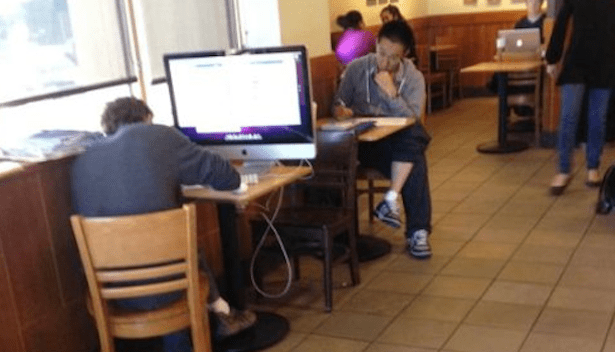
Where I pretend I write. Nice, isn’t it. (Not pictured: mosquitoes, noisy kids, actual desk the computer usually resides on.)
Of late I have noticed a disturbing trend occurring on writing blogs and groups: Write Shaming.
Write Shaming is when writers post images of their favourite place to write. Usually they attach some little story – because they’re writers, they can’t resist – about how inspiring the location is. The story about how awesome the local cafe is compared to their purpose-built study. Or how the desk was secretly trying to kill the author. The goal is that people become envious and to have them start thinking “I could write well/heaps/both if only I had a setup like that.”
This all got me thinking about an article from Patricia Briggs’ site and a recent discussion we had at my local writers’ group: What are all the cool kids writing with? Whether it be the latest liquid-cooled PC with a display that makes the term UltraHD seem quaint, or your chisel set and pile of clay tablets, every writer has their own setup for crafting masterpieces. Well, everything from Twilight fan-fic through to masterpieces.
So what better way to procrastinate during prime writing time than to discuss all the writing toys you could be buying.
Portable writing tools
This list includes:
Pen and notebook
Laptop
Phone
Tablet
In Australia Pilot Press created a Diary for Writers. It has writing prompts, weekly ideas pages, writing tips, contact details for writers’ centres, and dates for competitions, events and festivals. Of course, there are plenty of other notebooks made specifically for writers… they just kinda seem feeble in comparison now, don’t they.
The big advantage of a notebook and pen is that it gives you a consistent place to record ideas. Many famous novelists are known to have a notebook on their bedside table for that inevitable just-before-sleep brilliant idea that you’ll totally remember in the morning… More’s the pity that some of those ideas weren’t lost.
Phones and tablets are taking over the role of notebooks in this modern age. With synching programs like Evernote, Dropbox, Google Docs, etc, able to run on all your devices, your ideas are safe to embarrass you when you rediscover them ten months from now. Phones and tablets are more than powerful enough to be your primary writing tool as well. Phones have defied the pre-smart phone trend of getting smaller, and are now sporting screens big enough to be seen by some stranger two rows back on your commute. Let’s hope the police believe you’re a writer when that stranger reports you for that twisted thing you wrote. You know the one.
Tablets and small laptops are starting to become interchangeable now. No longer are these highly portable devices in possession of processors that run at the speed of two tortoises passing notes to each other across a football field. Writing isn’t exactly a hardware draining or intensive software activity, so the choice really comes down to how much you like typing on a tablet versus a laptop. And which one has the coolest games and other procrastination tools. Even Scrivener has launched an iOS friendly app for iPhone and iPad.
One caveat to tablets and laptops is the keyboard. Some keyboards are not full-sized and can be challenging or plain infuriating to use, especially if you touch type. Although they also act as a great excuse for your pathetic typing skills. Another issue is that some keyboards aren’t real keyboards, and much like typing on a tablet or phone screen, they don’t have any tactile feedback and can lead to some hilarious typos. Turn predictive text on for sentences that make even less sense than your drunken uncle discussing politics and the economy.
The writing desk and computer
Yes, yes, I know, there are some people who prefer to write things out longhand. They spend countless hours with pen/pencil in hand writing on thinly sliced dead trees only to have to spend even more hours transcribing it into an electronic format that is of any use. So excuse me if I acknowledge that this is 2017 and talk about computers for writing.
While portability can be awesome, having a dedicated space with a full-sized – possibly “ergonomic” – keyboard, a screen that doesn’t induce eyestrain from having to read documents in 4 point text size, and an internet connection that doesn’t drop out every time a car drives past and blocks the Wi-Fi signal has advantages. As above, computers are more than capable of handling the pressures of word processing, which makes the choice more about budget and what graphics package you need to run Netflix* in UltraHD. Laptops can fill the role of desktop computer here with a base station connecting a decent sized monitor, etc.
Writing software is still oddly dominated by the “my computer came with it” word processors. Needless to say, MS Word is highly popular because people don’t know any better. Word is a highly versatile program that can do just about anything, integrates with all the plugins and add-ons you can imagine, and does a perfunctory job of being useful. In its favour it is the most supported program, which means updates actually happen, integration with programs like referencing software is a thing (hey, us science nerds care about that stuff!), and editing with tracking and commenting is excellent. MS Word is the jack-of-all-trades, and thus master of none, and has so many features there are entire lists to point out the stuff you didn’t know it had.
Of course Mac OS have their own less popular versions of the MS Office programs. But Apple admitted people liked Microsoft and let MS Office come play on their OS.
Linux users and anyone liking freeware have long utilised the MS Office knockoffs of OpenOffice and LibreOffice. Since the demise of OpenOffice and the limping of ApacheOpenOffice toward the same fate, LibreOffice is as close to MS Office you’ll get without feeling too dirty.
There are plenty of online options that all have limitations and benefits. Google Keep, Evernote, Onenote, etc, fill differing roles. These aren’t just writing and note tools, but can also save documents and webpages. Since they are cloud based, anything you have saved there is accessible anywhere, anytime. Well, unless you have third world internet like us Aussies.
The online options also extend to apps that are made for writing and not just note taking. Google Docs is the most obvious, especially with its sharing capability. Novlr is an online/offline subscription based app made by writers for writers. ApolloPad is an online writing app with features like cork-boarding and timelines – pity it is still in beta. Novel Factory is another online subscription based writing app made by writers for writers. Apparently writers don’t get paid unless they can also code software.
Dedicated writing apps aren’t always best served in the cloud or online. Feature rich programs tend to play better when they can hog your RAM directly rather than through your browser. Novel Factory has a Windows version that isn’t subscription based. Bibisco is an open source (yay, free!) dedicated writing app with some cool but standard features. WriteItNow has a lot of features, including an events chart to help with planning. And what blog on writing tools would be complete without flagellation over how awesome Scrivener is? Personally I’ve used Scrivener for years and love it. I didn’t even get paid to say that – hint to any of the app developers out there, I will cash for comment.
Like any good procrastination effort, there is a lot to compare, contrast, analyse, and digest here. I’ve barely scratched the surface. There is an entire list of add-ons and plug-ins that are great tools for writers (e.g. Hemmingway) that I may cover in another blog if people are interested. I may cover it even if people aren’t interested. That’s just how I roll.
*Netflix being the PG friendly term for any of those streaming sites you’ll be accessing.
** Thanks to Gary from my Spec-Fic writing group for his list of writing apps.
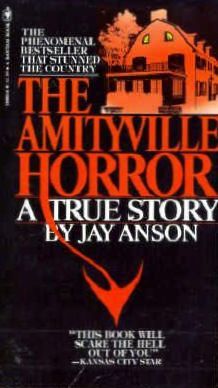
Because some people are obsessed about the official candy holiday based upon on former harvest festival, Halloween brings about the discussion of the horror genre. This month’s What’s the Difference? from CineFix covers the movie based upon a hoax, The Amityville Horror.
One great thing about horror novels is the ability to go wild with creepy ideas that will scare people. Blood suckers, flesh eaters, scary clowns in the closet, demonic possession, crazy inbreds, mild mannered fathers who go crazy and murder their family: all great ways to scare people and haunt their dreams.
But it is always hilarious to see the line “Based on a True Story” or similar at the start of a book or movie. Any time that has to be stated up front you can guarantee that the tale is pure fiction. It’s like how smart people don’t go around having to tell people they have a high IQ, or people who are successful don’t have to go around telling people how rich they are.
Needless to say, The Amityville Horror has long been known to be a hoax cooked up by the Lutzs and their lawyer, and then sensationalised in the “totally non-dramatised” book by Jay Anson.
To this day, the fact that The Amityville Horror story was an admitted hoax is still not widely known — as we often say, the truth never stands in the way of a good story. Though the story was made up by the Lutzes and further sensationalized by Anson, there were real victims of The Amityville Horror (the film, not the demons). In addition to the murdered DeFeo family, the subsequent occupants of the Amityville home have suffered a continual stream of harassment by curiosity seekers, horror fans, and gawkers who want to photograph and tour their infamous house. Then there are the people who, fooled by the films’ and book’s tagline, think they are partaking of works based on true events. (Source)

 On Generation and Corruption by Aristotle












 Tyson Adams